
Top 10 Yoga Poses for Injury Prevention and Recovery
Yoga is an effective practice for both injury prevention and recovery, emphasizing flexibility, strength, and mindfulness. Incorporating yoga into your routine can significantly reduce the likelihood of injuries. The practice encourages proper alignment and body awareness, which aids in preventing overexertion. Additionally, yoga helps improve blood circulation and promote faster healing for injuries already sustained. By incorporating these poses into your daily routine, you will enhance overall wellness. Furthermore, it develops not only physical strength but also mental resilience. To start reaping the benefits, you can practice at home or join a local class. Ideal for all skill levels, yoga offers modifications and variations suitable for beginners and advanced practitioners alike. Remember to consult your healthcare provider before beginning any new exercise regimen, especially during recovery phases. Commitment and consistency, alongside guided instruction, can lead to notable improvements in mobility and pain reduction. Regular practice leads to increased awareness of your body’s needs, helping you navigate your healing journey more effectively. Thus, yoga is a holistic approach that addresses physical and emotional aspects, making it a powerful ally in injury prevention and recovery.
1. Downward-Facing Dog
The Downward-Facing Dog is a fundamental pose that strengthens the entire body while providing a gentle stretch. Begin in a plank position, then lift your hips and press your heels toward the ground. This pose strengthens the arms, legs, and back while elongating the spine. It also encourages blood flow to the brain and helps alleviate tension. Maintaining this posture opens the hamstrings, calves, and shoulders, making it ideal for reducing tightness that often leads to injuries. Hold the pose for five breaths initially, gradually increasing your hold time as your strength and comfort level improves. This pose not only builds physical strength but also enhances body awareness, enabling practitioners to identify areas of weakness or strain. Ensure to engage your core and align your spine to avoid strain on the lower back. Remember to listen to your body; if you feel discomfort, slightly adjust your position. A proper Downward-Facing Dog can significantly improve your overall physical stability and flexibility. Integrating this pose into your routine can be a crucial first step toward preventing and recovering from injuries.
2. Warrior II
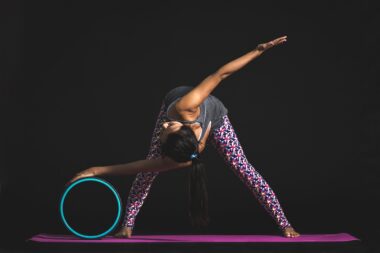
Warrior II is an empowering pose that builds strength and resilience in the legs while enhancing focus and stability. Begin by standing tall, step one leg back, and bend the front knee over the ankle. This position strengthens and stretches the legs, opens the hips, and broadens the chest. Additionally, Warrior II enhances concentration by encouraging you to keep a steady gaze. It also helps with balance and coordination, vital for avoiding injuries during physical activities. Holding this pose helps improve endurance and stability in the lower body, and can also aid in proper alignment during other practices. Maintain consistent breathing throughout your hold for a calming, centered effect. In doing so, you nurture both physical and mental aspects of health. This pose is suitable for practitioners at all levels, ensuring they can adapt their positioning based on their comfort and strength. Engaging your core during Warrior II assists in maintaining overall body alignment and reduces the risk of injury. As your confidence builds, you’ll notice improvements in your ability to maintain stability and strength during various physical activities.
3. Bridge Pose
Bridge Pose is an excellent exercise for strengthening the back, glutes, and hamstrings while stretching the chest and spine. This pose promotes core stability and encourages a lengthening of the spine, which is essential for any injury recovery. To perform the Bridge Pose, lie on your back with your knees bent and feet flat on the floor, hip-width apart. Press your feet into the ground as you lift your hips toward the ceiling, activating your glutes and thighs. Hold the pose for several breaths, focusing on the lift and alignment of your hips. This strengthens your entire back while opening your chest, reducing tension and promoting increased mobility. The pose can also alleviate stress, which can contribute to physical pain. Regular practice supports improved posture, which leads to better alignment in everyday movements, minimizing the risk of injuries. Bridge Pose can be modified with props, such as blocks, for additional support during practice. Thus, it’s a versatile addition to your routine that enhances both strength and flexibility. Making it a regular part of your practice will provide lasting benefits for your body.
4. Cat-Cow Stretch
The Cat-Cow stretch is a dynamic sequence that enhances flexibility and mobility within the spine. This pose is particularly beneficial for warming up and preparing your body for more strenuous movements, making it a perfect addition before any yoga session or workout. To perform this stretch, position yourself on all fours. Inhale deeply, allowing your belly to drop and lifting your head for Cow position. Then exhale, arching your back and tucking your chin towards your chest in the Cat position. This flow encourages a gentle massage of the spine while improving range of motion. Engaging in this sequence increases blood flow, alleviates tension in the neck, back, and shoulders, providing relief from the strains of daily life. Regular practice can also help prevent back injuries, as it builds strength and flexibility in these areas. Aim for repeated cycles of this stretch during each session. Remember to match your breath to the movements for maximum effectiveness. This mindful approach enhances not only physical well-being but also mental calmness, making the Cat-Cow stretch an essential practice for anyone focused on injury prevention and recovery.
5. Child’s Pose
Child’s Pose is a restorative posture that promotes relaxation and stress relief while gently stretching the back, hips, and thighs. It is often used as a transitional pose within yoga practices, allowing the body to pause and reset. To perform the Child’s Pose, kneel on the floor, sit back on your heels, and extend your arms forward, resting your forehead on the mat. This pose encourages deep breathing, guiding practitioners into a state of tranquility. Gently encouraging the spine to elongate, it alleviates tension in the lower back, making it suitable for those recovering from injuries or experiencing discomfort. Regular practice promotes relaxation of tight muscles, especially after strenuous workouts or prolonged sitting. Child’s Pose offers a moment of reflection, allowing you to reconnect with your breath and body. While practicing, pay attention to feelings of tension or tightness and adjust your position accordingly. This restorative pose is accessible for all skill levels, encouraging practitioners to take a moment to breathe and reset. Incorporating Child’s Pose into your routine will enhance overall body awareness and support both physical and emotional recovery.
6. Pigeon Pose
Pigeon Pose is an effective stretch that targets the hips and lower back, fostering flexibility. To practice, start in a tabletop position, bringing one knee toward the wrist while extending the opposite leg straight back. This position alleviates tightness often accumulated due to prolonged sitting or rigorous exercise. Practicing Pigeon Pose can help in releasing tension in the piriformis and surrounding muscles, reducing the risk of injury and enhancing mobility. It is essential to engage your core for stability and focus, ensuring even weight distribution. As you deepen into the stretch, maintain deep and steady breathing to promote relaxation and greater ease in the posture. Hold the pose quietly, allowing gravity to assist your stretch. Over time, repeat this pose regularly for noticeable improvements in hip flexibility, which is crucial for many activities, including running and cycling. Beginner variations include using props for added support. Always listen to your body, adjusting as needed to avoid discomfort. Incorporating Pigeon Pose into your routine will serve to increase mobility and promote recovery after physical activities.
7. Seated Forward Bend
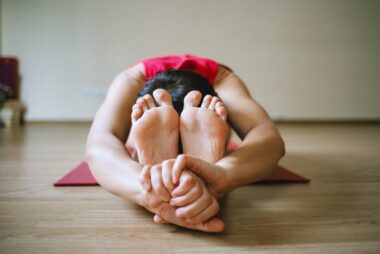
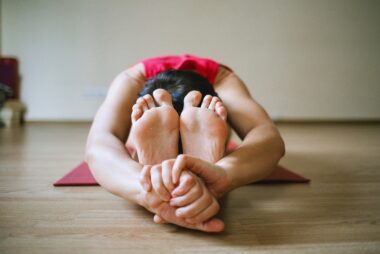
The Seated Forward Bend is a calming posture that stretches the spine, hamstrings, and lower back, promoting relaxation and flexibility. To perform this pose, sit on the mat with legs extended in front of you. Inhale, reaching your arms overhead, and exhale while folding forward, trying to grasp your feet or ankles. This position also calms the mind, making it valuable for stress relief while combating the discomfort associated with injury. Regularly practicing this pose enhances the body’s overall flexibility, vital for pain reduction, especially in the lower back and legs. Be sure to keep a slight bend in your knees if needed to avoid straining the hamstrings. This pose can be held for several minutes if comfortable, allowing for a deeper stretch. Deep breathing during this pose can further enhance relaxation, softening any tightness around the muscles. Incorporating the Seated Forward Bend into your routine can improve your overall range of motion. As a result, you will notice enhanced mobility, which is crucial for injury prevention and recovery. Make this pose a staple in your yoga practice to enjoy lasting benefits.