
The Role of Flexibility in Aerial Fitness Performance
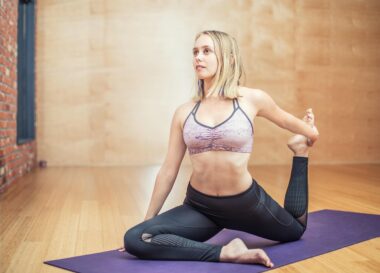
Aerial fitness is a dynamic form of exercise that combines strength and flexibility, enabling practitioners to perform impressive movements suspended in the air. Flexibility plays a crucial role in this practice, enhancing performance while minimizing the risk of injury. Through various poses and transitions, increased flexibility allows participants to execute graceful movements more seamlessly. Stretching improves muscle elasticity, which is vital for achieving the stunning poses often highlighted in aerial fitness classes. Moreover, flexibility contributes significantly to balance, enabling athletes to maintain stability while navigating complex aerial apparatuses. For those new to aerial fitness, incorporating a dedicated flexibility routine can be transformative. Preparing the body through consistent stretching helps facilitate learning and executing new moves that might otherwise seem daunting. A progressive approach encourages participants to slowly develop their range of motion over time, which can lead to remarkable improvements. Additionally, improved flexibility can enhance overall body awareness. This heightened awareness allows aerialists to become more attuned to their bodies, making adjustments as needed to maintain form and performance quality. A strong foundational flexibility practice sets the stage for achieving greater heights in aerial fitness.
Understanding Flexibility’s Benefits
The benefits of flexibility extend beyond artistic expression in aerial fitness; they also impact overall athletic capability. Enhanced flexibility influences the ability to perform a wider range of movements, essential when executing intricate techniques. Increased flexibility reduces the likelihood of injuries that can arise from overstretching or improper muscle engagement. When muscles and joints are more pliable, they respond better to the stresses of aerial maneuvers. Moreover, flexibility aids recovery by allowing individuals to return to a state of readiness more quickly. This means less time spent nursing an injury and more time enjoying aerial fitness. The improvement in blood circulation during stretching routines ensures that muscles receive sufficient nutrients and oxygen necessary for optimal performance. Participants often notice enhanced recovery times that can translate into longer, more fulfilling training sessions. Incorporating dedicated flexibility exercises into an aerial fitness regime makes for a balanced approach, providing participants with tools to thrive in aerial classes. Additionally, a well-structured stretching plan encourages mental relaxation, allowing participants to focus on their movements and techniques. This mental aspect is as critical as the physical, enriching the overall aerial fitness experience for everyone.
Flexibility training can enhance pelvic stability, offering aerialists improved control over their movements while performing in the air. The flexibility of the hips and lower back enables a broader range of motion necessary for dynamic aerial poses. Engaging in targeted stretches for these areas can yield significant benefits, making challenging poses feel more attainable. Regular practice will lead to greater ease and comfort, ultimately elevating aerial performance. Flexibility not only improves the aesthetic quality of movements but also impacts health through proper alignment. Vinyasa flows in aerial yoga classes often utilize these concepts to promote strength and flexibility symbiotically, ensuring that participants develop both attributes. Flexibility is also essential for maintaining body alignment during complex poses. Having the ability to stretch muscles appropriately helps aerialists maintain their center of gravity, which is vital for stabilizing themselves while trusting their grip on aerial apparatuses. Furthermore, a strong sense of balance fosters a sense of security, allowing participants to explore moves beyond their usual capabilities. This exploration leads to increased confidence, which bolsters performance and encourages individuals to push their limits further.
The Importance of Consistency
Consistency is key in developing flexibility for aerial fitness. Like any training modality, establishing a routine paves the way for progress. By dedicating time to flexibility exercises, practitioners can witness gradual improvements that inspire continued dedication and focus. It’s important to weave this practice into one’s training schedule, ensuring that flexibility work doesn’t become an afterthought. Engaging in stretching both before and after aerial workouts can also maximize benefits. Pre-workout stretches warm up the muscles and improve blood flow, while post-workout stretches facilitate recovery. Setting achievable goals can keep motivation high as participants work toward becoming more flexible over time. These goals can include mastering specific poses or reaching increased ranges of motion over a specified period. In addition to physical enhancements, setting goals encourages a supportive community among fellow aerialists. Sharing progress fosters camaraderie and motivation. Moreover, incorporating a variety of stretching techniques can make flexibility training more engaging and enjoyable. Participants can choose from static, dynamic, and partner stretches to keep things fresh, ensuring workout routines remain exciting while promoting consistent progress toward their flexibility goals.
Aerial fitness classes that integrate flexibility training into the curriculum often see remarkable engagement from attendees. As students practice together, they inspire each other to reach their potential while navigating challenges. Group dynamics foster a positive atmosphere, encouraging participants to step outside their comfort zones. In this respectful environment, aerialists often share tips on improving flexibility and adapting training based on their individual needs. Regularly attending these classes also builds strong relationships among participants, creating accountability. This community support further motivates individuals, allowing them to celebrate small achievements together. As rapport strengthens, members often feel encouraged to continue their exploration of new aerial movements together. This collaborative learning enhances the class experience for all involved. Maintaining open communication within the group encourages questions and discussions about flexibility and its importance in aerial practice. This approach highlights personal experiences, allowing each participant to feel seen and supported. As individuals share their stories, lessons about flexibility resonate more deeply, translating into practical knowledge that can be applied during training. Additionally, mixing creative ideas within classes fosters a sense of fun and relaxation while developing strength and flexibility.
Nutrition’s Role in Flexibility
Nutrition plays a pivotal role in flexibility by providing the body with the necessary fuel to perform optimally during flexibility training and aerial fitness classes. A balanced diet rich in vitamins, minerals, and hydration supports muscle function, ensuring that practitioners can achieve their desired range of motion. Proper hydration is particularly essential, as dehydrated muscles can become stiff and less pliable. Drinking adequate water before and after workouts helps maintain flexibility by ensuring that the muscles remain elastic. Consuming foods loaded with essential nutrients contributes to recovery and muscular health; for example, omega-3 fatty acids reduce inflammation and help alleviate soreness. Incorporating colorful fruits and vegetables into a diet can provide antioxidants that support overall fitness. Nutrient-dense options improve energy levels, empowering aerialists to push through challenging routines. Additionally, protein is vital for muscle repair, allowing the body to recover from the demands of both strength and flexibility training. This synergy between proper nutrition and flexibility practices amplifies workouts, leading to better outcomes. Ultimately, a holistic approach that incorporates balanced nutrition can lead to impressive results in aerial fitness, benefiting both physical and mental well-being.
In conclusion, the role of flexibility in aerial fitness performance is multifaceted and crucial for success and enjoyment. Stretching and enhanced flexibility support a powerful synergy that allows participants to master intricate poses while minimizing injury risk. The benefits of flexibility extend beyond the physical, fostering mental resilience and body awareness that enhances the aerial experience. Practicing flexibility consistently keeps aerialists engaged, while establishing goals maintains motivation and accountability. A supportive class environment reinforces progress, allowing different individuals to experience flexibility’s transformative effects. Integrating flexibility training into daily routines highlights its importance, and understanding the connection between flexibility and nutrition sets the foundation for lasting success in aerial fitness. By maintaining hydration and nourishing the body appropriately, practitioners enhance the overall effectiveness of their training. Those looking to excel in aerial fitness must embrace flexibility as a vital skill, unlocking their full potential. Through perseverance and community support, individuals can continue to explore their limits while achieving greater heights in aerial performances. Achieving flexibility is a journey worth embarking on for aspiring aerialists, ensuring a fulfilling and enriching fitness experience.
Individuals should seek variety and focus on different aspects of flexibility training to elevate their aerial fitness skills consistently. By deliberately addressing various muscle groups and integrating innovative techniques, exercisers can develop a comprehensive approach that accentuates every aspect of their performance. Keeping workouts engaging while striving for flexibility fosters continued interest, allowing dedication in the aerial fitness journey. Those interested in aerial fitness should consider personal training options to receive tailored guidance. Here, participants can work with experienced instructors to create individualized plans targeted at improving flexibility while respecting personal goals. Engaging in workshops may also provide unique insights into flexibility’s role; varying expert perspectives offer rich learning opportunities. Ultimately, aerial fitness is an exciting, rewarding experience, driven by dedication to flexibility training as a critical component for success.