
The Foundations of Pilates for Core Stability
Pilates is an excellent fitness regimen focused on core stability, essential for overall body strength. Core stability refers to the ability to maintain optimal body alignment during movement, which reduces the risk of injuries. Through controlled movements and precise breathing techniques, Pilates promotes engagement of the deep abdominal muscles, essential for a strong foundation. This practice not just sculpts the body, but also enhances posture, flexibility, and balance. A strong core stabilizes your spine, beneficial for athletes and beginners. Furthermore, Pilates routines can be tailored to meet individual fitness levels and goals. Various exercises like the Hundred, Roll-Up, and Plank focus on strengthening core muscles effectively. Incorporating Pilates into your weekly routine can promote a greater sense of body awareness and mindfulness. Moreover, individuals often find that consistent practice leads to improved coordination and effectiveness in other physical activities. The focus on quality over quantity results in safer movements and slower, more mindful practices that can help prevent injuries as well. Whether you’re new to fitness or a seasoned expert, Pilates offers something valuable for everyone aiming for core stability.
Understanding Core Muscles
The core comprises more than just the abdominals, encompassing multiple muscle groups that stabilize and move the body. Key muscles include the transversus abdominis, rectus abdominis, obliques, and the multifidus. These muscles work together to form a supportive structure around the spine and pelvis, enhancing overall posture and alignment. In Pilates, the focus on core muscles becomes integral, providing deep muscle engagement that enhances effectiveness. Understanding these muscle groups lays the foundation for implementing effective Pilates routines designed for core stability. Pilates exercises not only strengthen these muscles but also improve their coordination and function. Strong core muscles allow for more efficient movement patterns, impacting daily life activities, athletic performance, and injury prevention. Core stability is particularly crucial for maintaining balance and coordination, vital in every physical endeavor. As practitioners engage their core muscles through various Pilates exercises, they develop greater strength and endurance over time. The mind-body connection emphasized in Pilates also allows individuals to develop awareness of their core, learning to engage these muscles effectively. Therefore, understanding core muscles is essential for anyone participating in Pilates looking to enhance their physical performance.
Pilates for core stability is characterized by a variety of exercises that continuously challenge and engage core muscles. One effective exercise is the Pilates Roll-Up, designed to articulate the spine while strengthening the abdominal muscles. Another essential movement is the Hundred, providing a foundation for connecting breath to movement, enhancing circulation and stability. When practicing these exercises, it’s vital to focus on control rather than speed. Slow, deliberate movements encourage more significant muscle engagement and alignment awareness. Many practitioners find that maintaining proper breathing patterns during these exercises can enhance their effectiveness, ensuring that the core is engaged and supported. Additionally, modifications can be made to these exercises based on individual levels, allowing for continuous progress regardless of initial abilities. As one becomes comfortable with foundational movements, more advanced challenges like the Plank or Teaser can be introduced. This progressive approach enables individuals to steadily increase their core strength and stability over time. Thus, the diverse Pilates repertoire ensures a comprehensive foundation, catering to a wide range of fitness levels while specifically targeting core stability, which is essential for overall physical health.
The Importance of Breathing
Breathing is a fundamental aspect of Pilates, significantly impacting how movements are performed. Correct breathing techniques not only provide oxygen to the muscles but also engage the core more effectively. In Pilates, emphasis is placed on lateral breathing, which encourages the expansion of the ribcage while maintaining core stability. This allows for better control and alignment during exercises. Breath serves as a connection between mind and body, crucial while transitioning between movements in Pilates. When practitioners breathe deeply and consciously, they can enhance their focus, leading to an improved overall experience with the practice. As a result, the synchronization of breath with movement promotes relaxation and concentration. Additionally, intentional breathing during Pilates can help alleviate tension and stress in various parts of the body. Learning to coordinate breath with exercises ensures that core muscles are engaged properly, enhancing stability and control. In this way, emphasis on breathing techniques plays a vital role in mastering Pilates moves. Practicing awareness of breath aids practitioners in maintaining focus, thus achieving better results with consistent practice.
Consistency is essential in any fitness program, especially in Pilates for core stability. Regular practice allows your body to adapt to the movements, gradually enhancing strength and stability over time. Participants often aim for at least two to three sessions per week to experience significant improvements in core strength. Furthermore, short daily sessions focusing on specific exercises can also maintain certain stability aspects while reinforcing body awareness. As an individual practices Pilates regularly, they may notice an improvement in posture, decreased back pain, and increased overall body strength. Establishing a consistent routine helps build momentum, reinforcing the benefits gained from Pilates workouts. Many choose to join classes or find instructional videos to foster accountability and ensure proper technique is maintained throughout their journey. This routine helps in integrating Pilates practice into the daily schedule, making it a staple part of one’s health regimen. Additionally, listening to your body and modifying exercises according to individual needs can aid in preventing injury while promoting continuous progress. Ultimately, consistency ensures that the foundations of Pilates for core stability are firmly established, yielding the best results in fitness and well-being.
Conclusion and Future Focus
As we conclude, it is essential to reflect on the long-term benefits of Pilates for core stability. Beyond immediate gains in muscle strength, practitioners often witness improvements in their physical abilities, posture, and overall quality of life. Pilates fosters an enduring commitment, encouraging individuals to engage regularly in mindful movement. By establishing a strong foundation in core stability, individuals equip themselves with the tools necessary for better performance in various activities, both athletic and daily. The invigorating energy often derived from Pilates will not only transform physical attributes but also enhance mind-body connection and self-awareness. Moving forward, practitioners are encouraged to carry the principles learned in Pilates into other physical activities. Integrating core stability techniques into diverse workouts, such as running, swimming, or weightlifting, reinforces overall strength and coordination. As individuals continue their Pilates journey, they build resilience and adaptability over time, maintaining a strong core. Adopting a lifelong approach to fitness ensures that benefits extend far beyond pilates itself, enriching all aspects of wellness. This makes Pilates for core stability an invaluable component of a balanced, health-oriented lifestyle.
In summary, the importance of Pilates for core stability cannot be overstated. Through targeted exercises, breath awareness, and consistency, individuals can cultivate a strong core, enhancing overall physical health. Awareness of core muscles plays a significant role in understanding how the body moves and functions, paving the way for long-term improvements. Pilates can cater to different fitness levels and preferences, making it an accessible form of exercise for many. The mind-body connection established through consistent practice fosters not just strength but also grace and poise in daily activities. As more people discover the benefits of Pilates, its relevance in contemporary fitness continues to grow. Whether looking to strengthen the core, improve posture, or reduce stress, Pilates offers a rewarding experience that resonates well beyond the studio. Therefore, practitioners are encouraged to embrace the journey of Pilates, discovering new dimensions of strength and stability. Engaging in Pilates can lead to improved quality of life, ensuring individuals not only achieve their physical fitness goals but also cultivate a sense of well-being and balance.
Frequently Asked Questions About Pilates for Core Stability
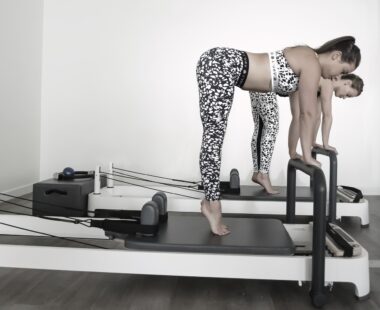
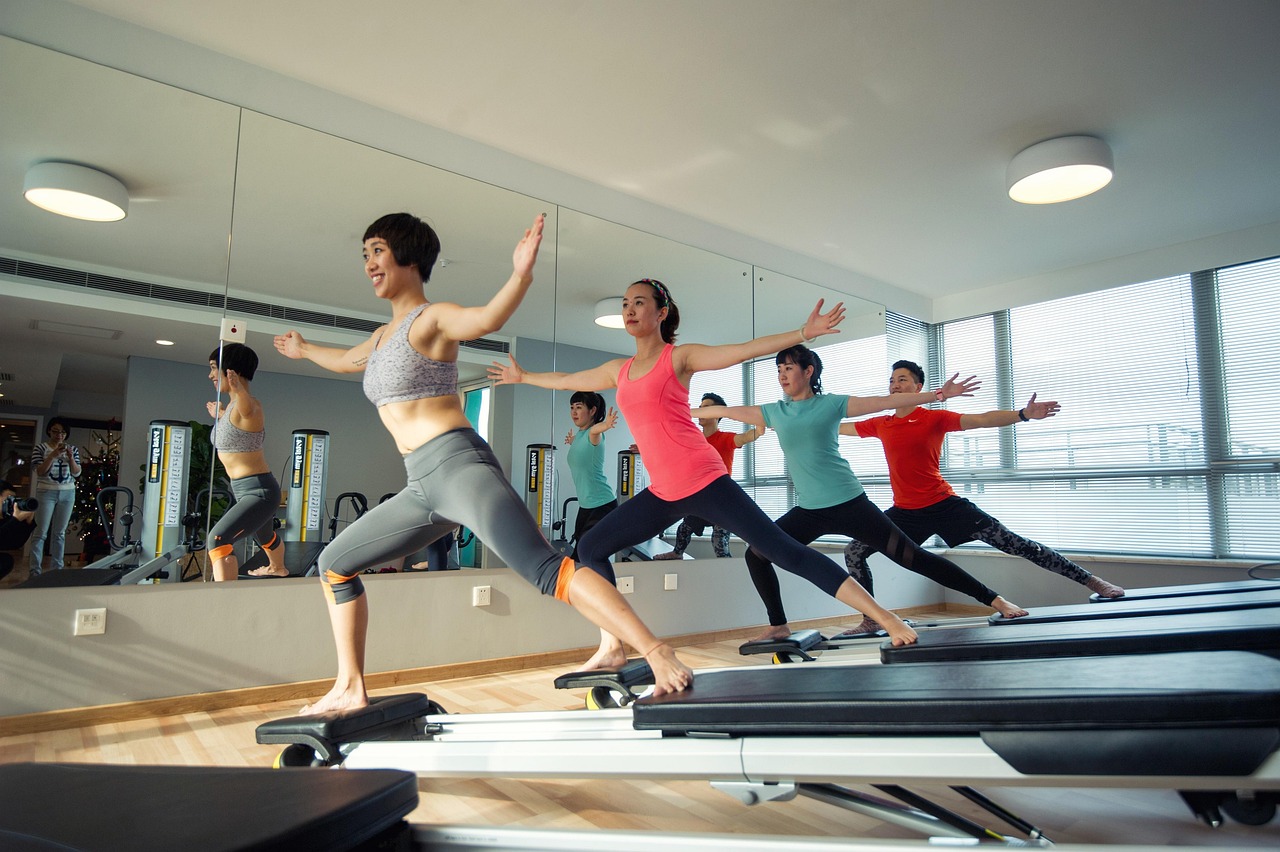
Pilates is a popular fitness method, often generating numerous questions among newcomers and enthusiasts alike. Understanding the methodology, types of exercises, and expectations can significantly enhance the experience. Some common questions include whether Pilates is suitable for everyone, and the answer is yes. Pilates can be adapted to accommodate various fitness levels, ensuring all individuals can participate safely. Another frequent inquiry involves how often one should practice Pilates to see results. Generally, two to three sessions weekly are recommended, but consistency is crucial. Participants also wonder about the difference between Pilates and yoga. Both practices enhance core strength and body awareness, though they differ in focus and techniques. Additionally, many interested may ask which Pilates equipment is essential. While mat work can be effective, equipment like reformers can further assist with resistance for added challenges as one progresses. Other inquiries may involve the importance of training with a certified instructor to ensure proper technique and safety. These FAQs can guide individuals, providing essential insights as they embark on their Pilates journeys.