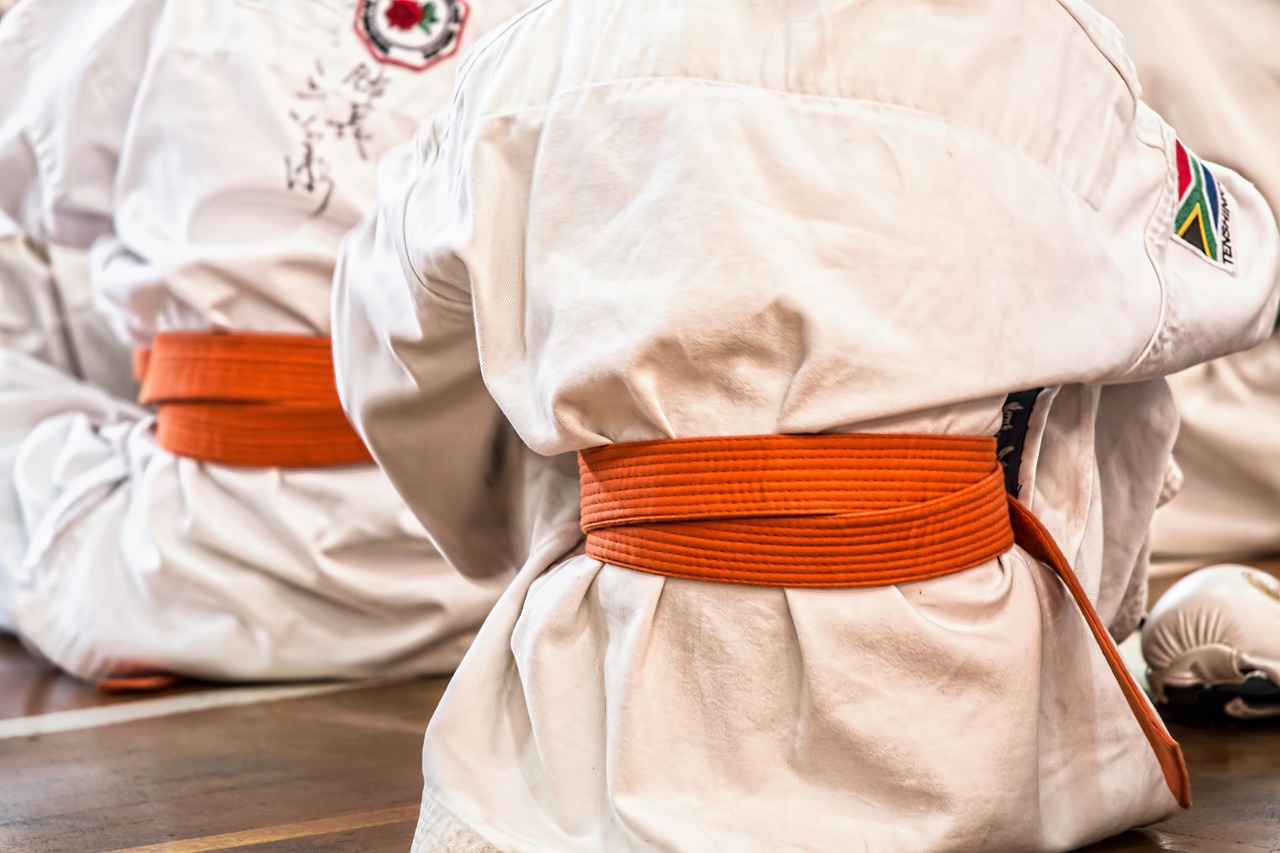

Systema Training Overview
Systema is a Russian martial art that emphasizes fluid movement, breathing, and relaxation. It is unique in its approach to self-defense, focusing on natural instincts rather than rigid techniques. Practitioners learn to adapt to various situations, utilizing their environment for defense purposes. One key principle of Systema is the understanding of the body and how to leverage its strengths effectively. Students are trained to recognize the body’s limitations and capabilities to avoid injuries during practice. This art encompasses various skills, including striking, grappling, and weapon defense. In addition, Systema promotes mental resilience, teaching students to stay calm under pressure. By fostering a deep connection with oneself and others, practitioners develop the ability to respond to threats with confidence and adaptability. Regular training helps build physical endurance and flexibility, which are vital for overcoming assailants. Maintaining a consistent training schedule enables individuals to enhance their skills over time. As with any martial art, injury prevention is crucial, particularly in Systema. Understanding proper body mechanics can mitigate risks while enjoying the many benefits of this enriching discipline.
Importance of Warm-Up Exercises
Warming up before training sessions in Systema is essential for preventing injuries. A proper warm-up raises your body temperature and prepares your muscles for activity. Dynamic stretching, joint rotations, and mobility exercises are effective ways to warm up. Focus on areas you will utilize most – arms, legs, torso. Include movements that mimic actual techniques practiced in Systema. This helps with muscle memory and enhances performance during training. It is vital to remember that the warm-up should last at least 10-to-15 minutes. Once adequately warmed up, you can enhance your training experience. Avoid skipping this vital step, even if you feel pressed for time. Injuries can occur when muscles are cold and unprepared for rigorous activity. Moreover, a structured warm-up routine promotes mental focus, allowing for a smoother transition into more intense training. Develop a personalized warm-up plan that suits your body’s needs and limitations. Pay attention to your body’s signals and adjust your routine accordingly. Ultimately, establishing a habit of comprehensive warm-up exercises elevates your training and helps ensure long-term engagement with Systema.
Breathing Techniques in Systema
Breathing plays a pivotal role in Systema. Effective breathing techniques not only enhance performance but also assist injury prevention. Deep, controlled breathing improves oxygen delivery to your muscles, enabling better movement and stamina. Practitioners are taught the importance of breathing in rhythm with their movements. This synchronization reduces tension and promotes relaxation during practice. Additionally, learning how to manage one’s breath during stressful situations is critical. Controlled breathing can help mitigate panic, focusing the mind when responding to potential threats. Furthermore, developing an awareness of your body’s physiological reactions during training can improve your mental resilience. Recognizing signs of fatigue or stress can prompt practitioners to adjust their training intensity. Incorporating breath control into your warm-up, cool-down, and practice sessions ensures a holistic approach to training. Explore different styles of breathing techniques within Systema, and discover which methods resonate with you. Regular practice allows you to foster greater awareness and improve overall performance while minimizing injury risk. Emphasize the connection between breath and movement, nurturing this relationship throughout your training journey.
Self-Defense and Awareness
A significant aspect of Systema training is developing self-defense skills through situational awareness. Practitioners learn to be cognizant of their surroundings and potential threats. This heightened awareness is essential for avoiding confrontations or de-escalating tensions before they escalate. During training, focus on practical applications of awareness, such as recognizing facial expressions and body language. This insight allows practitioners to gauge intentions and react accordingly. Training in various environments, indoors and outdoors, helps improve adaptability during real-life situations. Regularly integrating different scenarios in training can help sharpen reflexes and instinctual reactions. Systema encourages practitioners to maintain a relaxed posture, which can help in assessing situations without drawing unnecessary attention. Moreover, improving awareness is directly linked to injury prevention. By being conscious of your environment, you can sidestep hazards and engage in safe training practices. Mentally visualizing potential encounters can help prepare your responses in a controlled setting. Regularly remind yourself to stay present and engaged while training, leading to improved focus and safety. Ultimately, cultivating self-defense awareness lays a solid foundation for a responsible yet confident approach to Systema practice.
The Role of Stretching in Injury Prevention
Consistent stretching is essential for maintaining flexibility and preventing injuries in Systema. Engaging in both dynamic and static stretching routines can help alleviate muscle tightness. Flexibility allows practitioners to perform techniques efficiently and safely. Hence, dedicating time after training to static stretching can aid muscle recovery. Focus on key muscle groups frequently used in Systema, such as the hips, shoulders, and legs. Incorporate stretches that target these areas to enhance mobility and range of motion effectively. Additionally, consider integrating a stretching routine into your warm-up exercises as well. This targeted approach addresses specific concerns and promotes injury prevention right from the beginning. Whether you are a beginner or advanced practitioner, proper flexibility training is crucial. Always listen to your body’s limits while stretching to avoid strain. It is important to never force a stretch — gentle, gradual movements are more beneficial in the long run. Regularly evaluating your flexibility levels can help identify areas needing attention. Making stretching a priority in your Systema training assists in injury prevention, ultimately leading to more productive sessions.
Mindfulness and Recovery Practices
Implementing mindfulness practices in your training can significantly contribute to injury prevention in Systema. By maintaining a mindful approach, practitioners can foster greater body awareness. Listening to your body’s signals is crucial for identifying potential pain or discomfort before injuries escalate. Techniques such as meditation, visualization, or yoga promote relaxation and mental clarity. These practices can be incorporated into your training regime at various stages. Focusing on recovery days with active rest that integrates gentle movements can lead to improved overall performance. Acknowledging the importance of mental health is as essential as physical training. Regularly evaluating your mental state can help prevent burnout and maintain motivation. Additionally, engaging in group sessions where participants share experiences fosters a supportive training environment. Surrounding yourself with a community that values mindfulness strengthens bonds among practitioners. Allocating sufficient time for recovery also includes nutrition and hydration. Proper fuel can optimize physical recovery and mental focus. Consider creating a post-training routine that caters to your body’s needs, ensuring a balance between exertion and recovery. Ultimately, integrating mindfulness into your practice leads to a more sustainable and rewarding Systema training experience.
Final Thoughts on Systema and Safety
As you continue your journey in Systema training, it is vital to prioritize safety and injury prevention. Cultivating an understanding of your body, utilizing effective techniques, and being mindful can drastically reduce injury risks. Regularly participating in warm-ups, breathing exercises, and recovery sessions lays a solid groundwork for safe training. Always engage in open communication with your training partners and instructors about techniques and boundaries to establish mutual respect within the training environment. Moreover, fostering a community atmosphere encourages growth and safety among practitioners. Each training session is an opportunity to learn and refine your skills while remaining cognizant of your physical limits. Incorporating these injury prevention tips will not only enhance your training experience but also contribute to long-term enjoyment in practicing Systema. Remember that the goal is not only to improve self-defense capabilities but also to appreciate and learn from this unique martial art. Regularly evaluate your training practices, adjusting them as necessary, and stay committed to safety so that you can enjoy the myriad benefits of Systema for years to come.
Strengthening Your Foundation
Building a strong foundation in Systema is essential for successful technique execution and injury prevention. Understanding core principles allows practitioners to enhance their movement quality. Core strength plays a vital role in stability and balance during training, making it imperative to include exercises targeting this area. Incorporate core-strengthening drills such as planks and sit-ups into your routine. Additionally, developing strong legs and arms ensures effective movement responses during practice. Strength training not only helps with technique application but also enhances overall physical resilience. Resistance training can be beneficial, allowing practitioners to increase muscle endurance and strength safely. During Systema, remember that proper form and technique are paramount during all exercises to minimize injury risks. Focus on incremental progress, gradually increasing weights and intensity. The goal is not to rush but to cultivate a stable body built for sustained performance. Regular assessments will help identify strengths and weaknesses. Always prioritize quality over quantity when it comes to your training. Furthermore, consider working with a knowledgeable instructor to create a tailored strength training program that complements your Systema practice. Ultimately, a solid foundation lays the groundwork for effective movement, adaptability, and resilience.