
Stretching to Combat the Effects of Sitting All Day
In today’s fast-paced world, many of us find ourselves confined to our desks, spending hours sitting every day. This sedentary lifestyle can lead to a range of health issues, including back pain, poor posture, and reduced flexibility. Engaging in regular stretching can help combat these effects and improve overall well-being. For busy individuals, the challenge lies in finding time to incorporate these essential movements into their daily routines. Fortunately, dedicating just a few minutes a day can yield significant benefits. Establishing a consistent stretching routine, even in short bursts, is key to alleviating tension and counteracting the stiffness caused by prolonged sitting. Simple stretches can be done right at your desk, making it easy to integrate into your workday. Effective stretches target major muscle groups that often tighten due to sitting, including the hips, hamstrings, and lower back. By committing to a daily stretching routine, you can enhance your flexibility, posture, and relieve stress. This article delves into practical and quick stretching techniques tailored for busy people, ensuring you get the most out of your time while staying fit.
Stretching is not only beneficial for physical health but also plays a crucial role in mental wellness. A sedentary lifestyle can lead to feelings of fatigue and lethargy, negatively impacting productivity. By incorporating stretching into your day, you can invigorate your body and mind. Try setting reminders to stretch while working; a simple stand-up and stretch break can enhance circulation and help clear your mind. Focus on stretches that engage the entire body, promoting energy flow and reducing mental fatigue. Incorporate deep breathing techniques during your stretches to increase oxygen intake, further rejuvenating your mind. Regularly practicing mindfulness during stretching can also reduce stress and anxiety. Another advantage of stretching is that it encourages you to pause and reset. This small break can aid in boosting creativity and concentration when returning to work or tasks. By shifting your focus from screens to your body’s needs, you give yourself a much-needed mental reset. Creating a personalized stretching schedule is essential for maximizing your efficiency and flexibility. This approach helps establish a healthy habit that fits seamlessly into your busy life, ultimately benefiting both your body and mind.
Quick Stretching Techniques for Busy Lifestyles
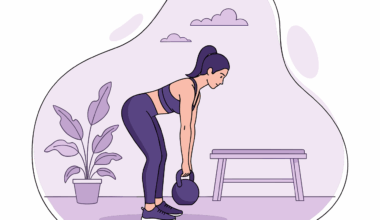
To effectively combat the adverse effects of sitting, incorporating simple and quick stretching techniques into your daily routine is vital. Start with gentle neck rolls to release tension built up in those tight neck muscles. Gradually incorporate shoulder shrugs and arm stretches to open up your chest and promote better posture. One effective stretch involves reaching your arms overhead while standing, elongating your spine and engaging your core. Incorporating side bends helps alleviate lower back tension and stretches your oblique muscles, which often go neglected. Add hip flexor stretches by stepping out into a lunge position or bringing your knees toward your chest, which will counter the tightness created by sitting. Consider incorporating seated twists to enhance spinal mobility and relieve lower back discomfort. Consistency is critical, so aim to perform these stretches once every hour, setting a timer if necessary. Additionally, use resources like apps or online videos to follow along for guidance and creativity in your routine. Ultimately, the goal is to make these stretches enjoyable, helping you maintain a balanced lifestyle while navigating your busy day.
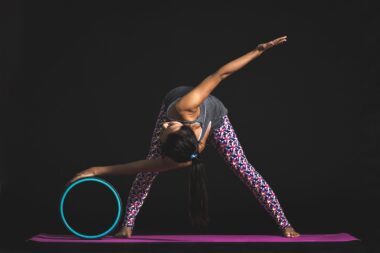
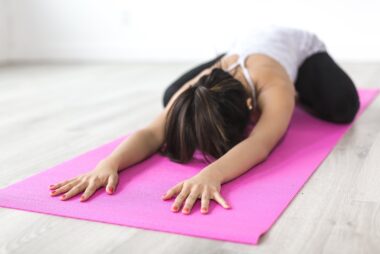
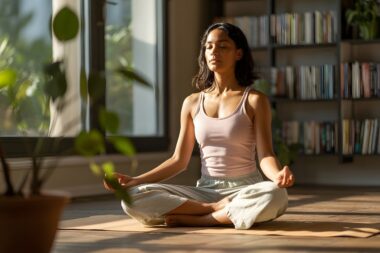
Incorporating yoga into your stretching routine can further elevate its benefits and effectiveness. Yoga is an excellent way to improve flexibility, strength, and relaxation simultaneously. Yoga poses like Child’s Pose, Cat-Cow, and Downward Dog can be adapted for a busy schedule, requiring little time and space. You can practice them in as little as five to ten minutes and notice a significant change in your body and mind. Moreover, these poses encourage deep breathing, reducing stress levels and promoting relaxation. Consider joining a short lunchtime yoga class or following an online video designed for busy people yearning for quick rejuvenation throughout the day. Additionally, creating a calming environment can enhance your practice; find a quiet space and dedicate your breathing and stretching moments to mindfulness. It shouldn’t take a long time to experience the positive outcomes yoga can provide. The beauty of yoga lies in its flexibility—you can choose to perform it either at home or even in the office. The time spent stretching is an investment in your health and well-being, positively impacting your overall quality of life.
The Importance of Proper Technique
When engaging in stretching, understanding proper technique is paramount to maximizing benefits while minimizing the risk of injury. It’s essential to warm up before starting your stretching routine to prepare your muscles and joints. A light five-minute walk or gentle arm circles can help get your blood flowing. Pay close attention to your body and avoid pushing yourself too hard during stretches; aim for a mild discomfort without pain. Hold each stretch for at least 15-30 seconds to effectively elongate the muscles. Focus on maintaining steady breath while stretching and relax into each pose while keeping your movements controlled and deliberate. Additionally, incorporating dynamic stretching in your warm-up can greatly enhance functionality and prepare your body for active movements. After your routine, consider engaging in static stretches to help with muscle recovery. This helps lengthen the muscles after they have been worked. Ensure to target all major areas of the body to achieve a balanced stretching session. Remember, listening to your body is critical; never overstretch, and if something doesn’t feel right, adjust your position or abstain from that particular stretch.
It is also beneficial to create a stretching schedule that caters to your personal needs and preferences. Make it a habit to mark specific times during your day for stretching, whether it’s during breaks at work, when you wake up, or just before going to bed. You might even choose to involve colleagues in stretching sessions at work, creating a sense of community while promoting health. Additionally, consider tracking your progress and flexibility over time, allowing you to see improvements that reinforce your commitment. As you become accustomed to regular stretching, you can increase the duration and intensity of each stretch or introduce new ones for variety. This will help prevent your routine from becoming monotonous. By engaging in a stretching practice tailored specifically for your lifestyle, you may discover improved energy levels, decreased stiffness, and enhanced overall well-being. Embrace these spontaneous moments to stretch throughout your day; they are not merely physical activities but rather essential rituals that nourish your mind and body. Maintain awareness of how stretching can fit seamlessly into even the busiest of schedules.
Conclusion and Future Practices
In conclusion, prioritizing stretching is essential for busy individuals striving to maintain a balanced and healthy lifestyle. Allocating time each day for targeted stretches and mindful practices can significantly alleviate the effects of prolonged sitting while enhancing overall flexibility and strength. As you continue to incorporate stretching into your routine, try to mix in new techniques and exploratory movements to keep things engaging. Challenge yourself to maintain a commitment to personal wellness, whether by joining yoga classes, attending workshops, or following fitness influencers’ advice online. The key is to adopt a mindset that views stretching and movement as valuable practices rather than tedious tasks. Additionally, educate yourself on the importance of body mechanics and postural alignment, as this knowledge can improve your stretching effectiveness. By fostering a positive relationship with your body through movement, you’re more likely to remain consistent in your practice. Remember, any effort made towards your health, no matter how small, accumulates over time and contributes to overall well-being. By embracing these principles, you can successfully combat the negative effects of sitting all day while nurturing yourself physically and mentally.
Ultimately, maintaining a habit of stretching is a commitment to a healthier lifestyle. Small adjustments can yield substantial improvements, helping you thrive while navigating a busy life with confidence and ease. As you pave the way towards better health, stretching will be your ally in mitigating the consequences of a sedentary lifestyle, enhancing your everyday experience.