
Hydration Myths That May Harm Your Skin
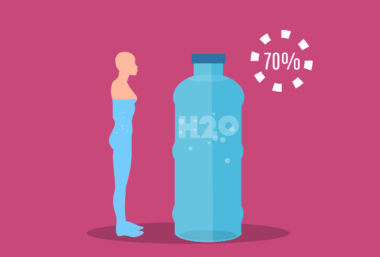
When it comes to skin health, there is a common belief that merely drinking more water directly translates to better skin. While hydration plays a vital role, the connection is not so straightforward. Studies show that drinking excessive water does not necessarily hydrate the skin or improve its appearance. Instead, skin hydration is influenced by a multitude of factors, including humidity, skin type, and the products used. Furthermore, relying solely on increasing water intake without considering dietary sources of hydration can lead to imbalances. For glowing skin, integrating foods with high water content, such as cucumbers, fruits, and leafy greens, is essential. Additionally, water alone cannot replace the need for topical oils and moisturizers. It’s important to understand that skin health goes beyond just drinking water; a holistic approach encompassing diet, skincare, and lifestyle is necessary for optimal hydration and radiance. Hence, re-evaluating the myth about drinking more water as the ultimate solution for skin issues can lead to better skincare habits and understanding of overall skin health.
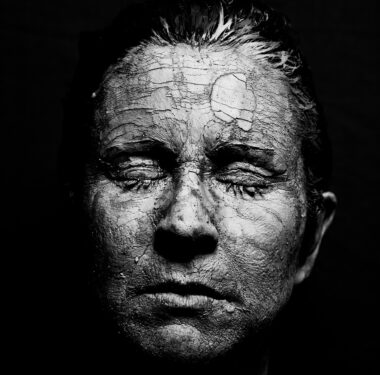
Another prevalent myth is the idea that skin can be “cured” simply by hydration. While dryness can be improved through better hydration practices, various skin conditions require targeted treatments. Conditions such as eczema or acne often need specific interventions, such as topical medications or lifestyle changes. These treatments address the root cause of the issues, rather than merely assuming hydration will suffice. Even if you drink ample water, any underlying problems may persist. Furthermore, external hydration methods, like using hydrating serums and moisturizers, are essential. They create a protective barrier that locks in moisture and provides immediate benefits to dry skin. Understanding that hydration isn’t a one-size-fits-all approach gives a more comprehensive outlook on skin health. To properly manage skin conditions, individuals may need to combine hydration with other forms of skincare. Consulting a dermatologist before making drastic hydration changes can ensure a more balanced approach tailored to your specific skin needs. Overall, reinforcing the idea that hydration is the sole solution can mislead individuals toward ineffective skincare strategies.
Hydration and Seasonal Effects
Seasonal changes can significantly impact skin hydration levels. For instance, cold winter air typically leads to drier skin due to low humidity levels, despite people’s best hydration efforts. Conversely, high summer temperatures can lead to excessive sweating, causing the body to lose moisture quickly. Many believe that drinking plenty of water in these situations is the answer. However, focusing on external moisture application is equally important during these periods. Using thicker creams or occlusive products during winter can help seal in moisture. In summer, lightweight gels and hydrating mists can refresh and replenish skin hydration without overloading it. Balancing water intake with moisture-rich skincare is essential throughout the year. Additionally, adjusting your skincare routine with the seasons ensures that your skin remains healthy, vibrant, and adequately hydrated. Using a humidifier indoors during winter can also enhance the environment by adding moisture to the air. Thus, recognizing and adapting to seasonal changes can prove to be vital in maintaining skin hydration effectively.
Moreover, there’s a misconception that only people with oily skin don’t need additional hydration. In reality, individuals with oily or combination skin also require moisture for balanced skin health. Oily skin can be dehydrated, leading to heightened oil production as a compensatory mechanism. Instead of focusing on stripping oily skin further, hydrating products that are lightweight and non-comedogenic should be used. Infusing hydration into your skincare routine minimizes the forced production of oil while maintaining a proper moisture balance. Incorporating serums containing hyaluronic acid or glycerin can significantly improve skin texture and hydration. It’s also incorrect to assume that using oil-free products means forgoing moisture entirely; many such products can still be hydrating. Educating oneself on ingredients and their roles in your skincare lineup will bring about better results and satisfaction with skin health strategies. Therefore, everyone, regardless of their skin type, should prioritize the correct level of hydration and balance without falling into the myths surrounding hydration.
The Role of Diet in Hydration
Food plays a crucial role in our overall hydration status, often overlooked in discussions about drinking water. Many forget that various foods also contribute to our body’s water intake. Foods with high water content, like watermelon, oranges, and leafy greens, offer hydration and minerals that benefit the skin’s health. Incorporating these foods not only satisfies hydration needs but provides essential vitamins and antioxidants crucial for skin maintenance and repair. For instance, vitamin C from fruits can help in collagen production and skin repair, which water alone cannot provide. It’s about finding a balanced diet that complements water intake. Additionally, healthy fats, such as avocado or nuts, provide essential fatty acids required for maintaining skin barriers. It helps skin retain moisture and defends against environmental stressors. Replacing sugary drinks with these nourishing foods creates better hydration levels and enhances the benefits of water. Ultimately, embracing a holistic view of hydration not only aids skin appearance but overall health too.
Some individuals also believe in the myth that hydration can prevent all signs of aging. While hydration does benefit the skin, it cannot eradicate aging signs entirely. Factors like genetics and sun exposure influence the aging process significantly. Thus, while you may appear youthful with adequate hydration, other strategies are needed to combat aging effectively. Regular use of sunscreen, avoiding direct sun exposure, and employing antioxidants in daily care are crucial for reducing damage. This holistic plan, including hydration, can better nourish and protect skin health. Neglecting other aspects while focusing solely on hydration may lead to disappointment later on. Additionally, optical treatments and retinoids can aid in fine lines and wrinkles and enhance skin texture. It is essential to adopt a multi-faceted approach to skin health. Maintaining hydration is important, but it requires a combination of practices to achieve long-lasting results. The skin deserves comprehensive care that goes beyond hydration to remain resilient and youthful over time.
Understanding Hydration Variability
Finally, individual hydration needs vary widely based on factors like environment, physical activity, and age. For example, during intense workouts, people tend to lose significant amounts of water through sweat. This necessitates increased hydration levels. Beyond this, older individuals typically have reduced thirst responses, leading to unintentional dehydration, affecting skin elasticity. It highlights the importance of understanding personal hydration needs. Relying solely on thirst can be detrimental, as it doesn’t always signal adequate hydration. Monitoring urine color, for instance, can offer insight into hydration status; pale yellow indicates sufficient hydration, while darker shades suggest a need for more fluid. Additionally, environmental clues, such as high heat or dry air, can prompt increased fluid intake despite not feeling thirsty. Make it a habit of regularly consuming water and hydrating foods, regardless of thirst signals, will maintain better hydration proactively. Consequently, recognizing personal hydration requirements and adjusting accordingly will ensure proper skin health to support overall well-being.
In conclusion, debunking hydration myths surrounding skin health is vital for achieving better outcomes. Understanding that hydration isn’t a standalone solution emphasizes the importance of a multi-faceted approach. Skin health consists of various elements, including diet, lifestyle, and topical care, all of which interplay to maintain adequate skin hydration. Incorporating necessary nutrients and hydration-rich foods can further enhance skin appearance, along with careful skincare routines and sun protection. It’s crucial to understand that everyone’s hydration needs differ; thus, customizing hydration practices to suit personal lifestyle and skin type is fundamental for achieving optimal results. While water intake is essential, equally promote the use of hydrating products and a balanced diet for comprehensive care. Lastly, continuing to educate oneself and seek advice from dermatologists can empower informed decision-making in skincare routines. Therefore, removing misconceptions around hydration and skin health contributes to a more effective and fulfilling approach to achieving healthy, radiant skin.