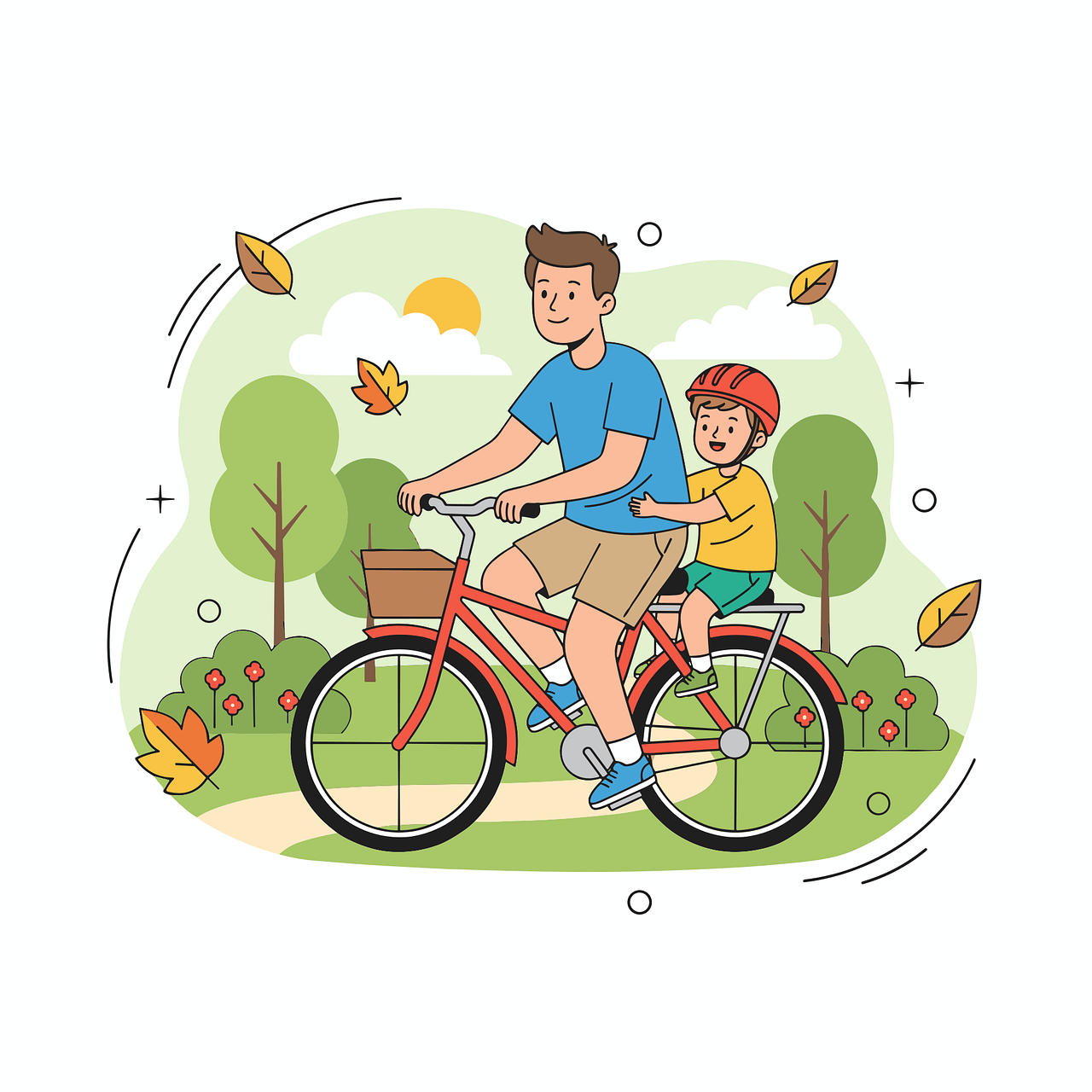

Family Fitness: Engaging Kids in Physical Activities Together
Engaging the whole family in physical activities can significantly contribute to preventing childhood obesity. Family fitness activities not only provide exercise but also strengthen family bonds and instill healthy habits in children. Active families tend to encourage one another to exercise regularly. This lifestyle choice can promote positivity and set an example for children, guiding them toward making healthy dietary and lifestyle decisions. Involving children in fitness can be fun and exciting, making them more likely to stick with it over time. A supportive environment fosters motivation and accountability that children need. Simple activities like family walks, bike rides, or even backyard games can get everyone moving. Additionally, setting collective goals—like participating in a fun run—can encourage teamwork and commitment. Keeping fitness fun and engaging will help to create lasting habits rather than a temporary fix. Exploring various physical activities, such as swimming or dance, allows children to discover what they enjoy, keeping them active and healthy. Making exercise a family tradition can lead to healthier, happier lives for everyone in the family.
Creating a Fun Fitness Routine
Creating a fun and engaging fitness routine for the family can prevent childhood obesity by establishing lifelong habits. Start by involving your kids in the planning process to ensure that the activities align with their interests and preferences. This way, their engagement will remain high, resulting in regular participation. A routine could include a mix of cardio, strength training, and flexibility exercises appropriate for their age and physical ability. You may consider incorporating activities like family dance-offs or obstacle courses in the backyard, which can make fitness feel very enjoyable. Setting a schedule that includes dedicated fitness days while keeping flexibility for spontaneity is essential for maintaining enthusiasm. Additionally, consider including fun challenges, such as step-count competitions or mini-triathlons, to encourage active participation. Allow families to set mini-goals and rewards, creating an exciting atmosphere around fitness. Make an effort to celebrate achievements, no matter how small, as this can boost confidence and motivation. Remember that regular communication can enhance the experience by allowing kids to express their feelings toward the activities.
Incorporating technology into family fitness can transform traditional workouts into modern fun. Using fitness apps or devices can add an element of challenge that motivates kids. Many apps offer exciting games or competitive features that capture kids’ attention while encouraging physical activity. For instance, apps that promote dancing or team challenges can make exercises feel less like chores and more like exciting games. Consider outdoor apps that encourage exploration or scavenger hunts, which can lead to outdoor fun while exercising. Integrating fitness trackers can also create motivation through personal goal setting. Children can be encouraged to achieve daily steps or specific activity minutes and track their progress. Awards or recognition for milestones can amplify motivation. However, screen time limits should be set to ensure that technology enhances, not replaces, traditional active play. The aim is to use modern tools to complement real-world activities, not to substitute them entirely. Therefore, blending technology with outdoor activities can provide a diverse range of engagement that appeals to kids, promoting healthier lifestyles across generations.
Making Healthy Lifestyle Choices
Involving children in making healthy lifestyle choices can significantly impact their attitudes toward fitness and nutrition. Discussing the benefits of healthy eating habits while being active will reinforce the lessons learned through physical activities. Encouraging kids to participate in meal preparations or choosing healthy snacks can empower them to make better food choices. Transforming food into a family project, such as weekend meal prepping or hosting healthy workshops, educates children on nutrition. Teaching kids about portion sizes and the importance of balanced meals can lead to informed decisions. Organizing family cooking nights allows food exploration and creativity, making healthy eating fun. Moreover, linking fitness to healthy eating can show children the importance of fueling their bodies properly. Encourage families to try new healthy recipes or embark on a journey to learn about different cuisines emphasizing nutritious elements. Reinforcement through physical activities and healthy eating will create systems of care, motivating kids toward better choices. In essence, fostering a collaborative approach to health will ensure kids feel confident and supported in their journey toward a healthier lifestyle.
Setting visible fitness goals with children plays a crucial part in preventing childhood obesity. Establishing achievable objectives gives kids a target to strive for and a sense of accomplishment. Begin by discussing fitness aspirations together and collaborating on setting realistic and age-appropriate goals. Initiating a short-term goal, such as walking a certain number of steps each day or participating in a specific sport, can introduce children to the concept of fitness as a personal journey. Celebrate accomplishments with rewards, emphasizing the importance of progress rather than perfection. Visual reminders like charts or affirmation notes placed in common areas can serve as daily motivation. Another strategy is involving children in community fitness events, such as fun runs or sports leagues, where they can share their experiences with peers. These social interactions can further enhance their motivation and commitment to staying active. Combining community involvement with personal objectives can strengthen their enjoyment of physical activities. Keep conversations open about their fitness journey, reminding kids they are supported every step of the way.
Incorporating Play into Fitness
Incorporating play into fitness activities provides an excellent way to help children stay active without them feeling pressured. Play-focused activities can include team sports, interactive games, or activities like martial arts that emphasize fun while offering physical fitness benefits. Such options cater to different interests and help children cultivate teamwork and social skills as they engage with peers. Family intramural leagues or friendly competitions can encourage friendly rivalry that stirs excitement. Utilizing free community resources like parks and playgrounds encourages outdoor play, which benefits both physical and mental health. Sports organizations often offer seasonal programs, providing children with structured time for physical activity. Additionally, consider scheduling an active playdate with friends to create lasting memories while promoting fitness. Unstructured playtime can also allow kids to explore their creativity, improving problem-solving and motor skills. Encouraging outdoor adventures—biking, hiking, or nature walks—enhances physical fun while connecting with nature. Embracing active play, as opposed to solely structured workouts, cultivates an environment where being active becomes a joyful aspect of life.
Regularly monitoring children’s activities is vital for maintaining healthy practices and preventing childhood obesity. Using tools to keep track of their involvement in various activities can prevent idleness and encourage accountability. Families can create weekly checklists together to highlight active days, ensuring that exercise remains consistent. This approach also allows families to discuss how they felt after each activity, fostering open communication and adjustment based on preferences. Understanding the importance of rest days is equally essential, enabling children to recover and prevent burnout. Regular check-ins can help identify any obstacles or barriers that arise. Encouraging families to take appropriate action in overcoming these hurdles will motivate children. Incorporating feedback loops can strengthen family connections, ensuring everyone feels heard and supported in making healthy choices. Having designated times to reflect on weekly activities can enhance commitment to ongoing fitness. Also, a family journal can serve as a resource that documents activities and progress. This structured yet flexible approach to fitness can create an engaging, supportive environment, ensuring the family works together toward healthier lifestyle choices.
Conclusion
In conclusion, family fitness plays a pivotal role in preventing childhood obesity by engaging children in enjoyable physical activities together. By creating a supportive and fun atmosphere for fitness, families can help kids develop healthy habits early on. Encouraging shared experiences through sport, play, and healthy cooking fosters a balanced lifestyle that families can uphold long term. While it is essential to encourage children to participate in a variety of activities, creating an element of fun is crucial. When fitness feels enjoyable and exciting, children are much more likely to stick with it. Incorporating technology can enhance the experience, making it feel modern and relevant to today’s kids. Monitoring progress, setting achievable goals, and involving children in planning can empower them to take charge of their health. Most importantly, families should remember the importance of collaboration, support, and celebration in their family fitness journey. Ultimately, nurturing positive relationships around fitness and health creates lasting impacts, encouraging children to embrace an active lifestyle throughout their lives.