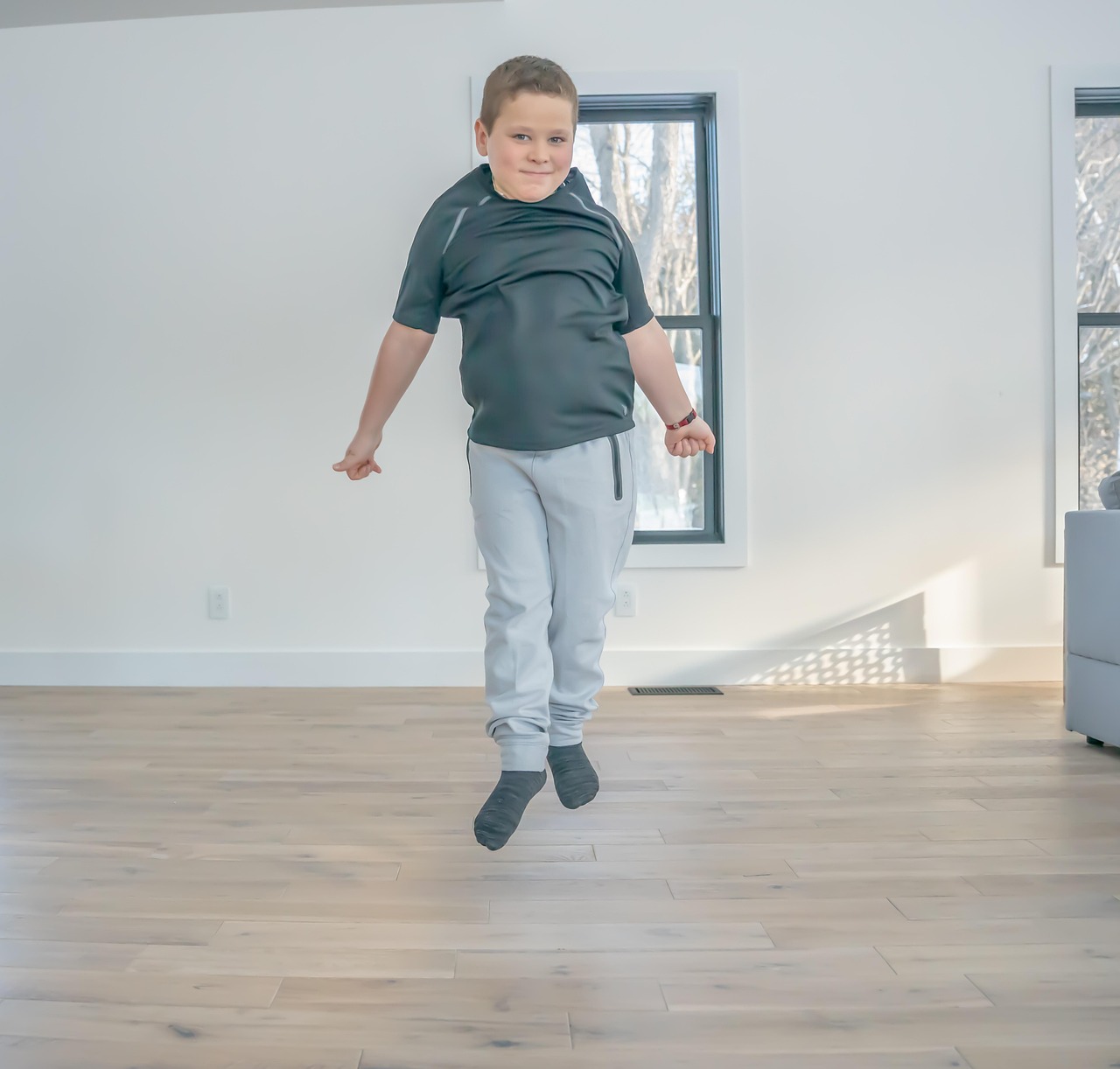

Enhancing Bone and Muscle Strength in Kids through Exercise
Physical activity is crucial for children’s overall health, especially in building strong bones and muscles. Engaging in regular exercise helps children develop healthy habits that can last a lifetime. Research indicates that children who are physically active tend to have denser bones, which lowers the risk of osteoporosis later in life. This process begins in childhood, where consistent weight-bearing activities, such as running and jumping, contribute significantly to bone density. Furthermore, children who engage in strength-building exercises, like resistance training, see improved muscle strength. These improvements not only support physical activity but also enhance performance in sports and everyday activities. Active children are also more likely to maintain a healthy weight, positively influencing their self-esteem and body image. Incorporating a variety of activities ensures that children develop different muscle groups. Additionally, the importance of family participation cannot be understated. When parents actively engage in exercise alongside their children, it fosters a supportive environment that encourages lifelong fitness. Children observe and adopt these behaviors from their parents, creating a culture of health within their family. Overall, physical activity provides invaluable benefits for children.
The role of exercise in the development of strong bones and muscles cannot be ignored. One significant benefit of physical activity is its effect on the skeletal system. Weight-bearing exercises stimulate bone formation, which is vital during the growth phases of childhood and adolescence. When children participate in structured activities such as sports or dance, they experience a variety of movements that help develop flexibility, coordination, and balance. These activities also promote social interaction, instilling values such as teamwork and cooperation. Moreover, children engaged in regular exercise have higher energy levels, which allows them to tackle daily challenges with enthusiasm. Benefits also extend to mental health, helping to reduce symptoms of anxiety and depression. Exercise releases endorphins, which can boost mood and provide a sense of well-being. Parents and caregivers should be proactive in encouraging children to engage in physical activity for at least an hour each day, as recommended by health guidelines. This not only supports bone and muscle strength but also improves mental focus during school hours. Thus, integrating regular exercise into a child’s routine is essential for holistic development.
The positive impacts of physical activity on children’s bone and muscle strength extend beyond the immediate effects. Regular participation in structured physical activities establishes patterns that can lead to lasting health benefits. As children develop skills through play and organized sports, they also learn about the importance of maintaining a healthy lifestyle. Furthermore, emerging research highlights the role of early physical education in shaping a child’s attitude toward fitness and health. Schools play a pivotal role in this regard by providing opportunities for children to engage in a variety of physical activities. Schools that implement comprehensive physical education programs see better engagement and performance academically and socially. Children exposed to diverse activities are more likely to find enjoyment in physical exertion, which can translate into lifelong fitness habits. Additionally, it is essential for caregivers to encourage outdoor play, which is incredibly effective for developing physical abilities as well as fostering creativity. Communities can support children by creating safe and accessible environments for physical activity, such as parks and sports facilities. These initiatives enable kids to explore different physical activities in a safe and stimulating environment, reinforcing healthy habits.
Creating a Balanced Routine
To maximize the benefits of exercise, it is important to create a balanced routine that includes a mix of aerobic, muscle-strengthening, and bone-strengthening activities. Aerobic activities like cycling, swimming, or jogging help improve cardiovascular fitness while supporting overall endurance. Children should incorporate at least three days a week of muscle-strengthening activities, such as climbing, dancing, or playing on playground equipment. These types of exercises build muscle strength and endurance, promoting healthy growth. Moreover, engaging in activities like gymnastics or basketball not only enhances muscle strength but also increases coordination and flexibility. Parents and coaches can play a crucial role in developing engaging programs that motivate children. Making activities fun is key to sustained interest and participation. Introducing friendly competition can foster camaraderie and make the process enjoyable, helping to develop social skills too. Additionally, regular participation ensures children are physically prepared for various activities, reducing the risk of injuries. A structured routine combined with opportunities for unstructured play allows children to discover their personal preferences, making fitness more enjoyable. When children find activities they love, they’re more likely to continue them well into adulthood.
One of the most significant barriers to physical activity for children is the rise of technology and sedentary entertainment. With devices attracting kids’ attention, it’s crucial to find innovative ways to incorporate movement into their daily routines. Establishing guidelines for screen time can help in balancing technology use and physical activity. Parents can encourage active playtime, such as playing tag or riding bikes, along with providing access to engaging physical activities. Community sports teams and clubs are excellent outlets for channeling children’s energy and interests while promoting physical fitness. Furthermore, schools can introduce initiatives that encourage more recess time or active breaks throughout the day. Such programs have been shown to enhance both academic performance and overall health among children. Even simple adjustments, like walking or cycling to school, can significantly contribute to a child’s daily exercise quota. Encouraging active family outings, such as hiking or visiting amusement parks with physical attractions, can reinforce healthy, active behaviors. By prioritizing physical activity, families show children that it’s a valuable and enjoyable part of life, paving the way for future choices. Healthy habits learned in childhood often continue into adulthood, impacting long-term wellness.
Another aspect to consider is the community’s role in supporting children’s fitness. Communities that prioritize health and wellness create a nurturing environment where children can thrive. Establishing safe, accessible spaces for play, like parks and recreation centers, allows children to engage in physical activities. Programs aimed at promoting exercise among children can have a ripple effect, engaging families and schools as well. Local governments and organizations can collaborate to provide free or low-cost sports programs, meals, and wellness workshops, making physical activity more accessible. These programs can teach children about the benefits of exercise, nutrition, and lifestyle choices that contribute to overall health. Additionally, after-school programs that incorporate physical activity can be invaluable in keeping children engaged positively. Nutrition education, combined with physical activity, enhances children’s understanding of their health. Encouraging kids to participate in community events focused on fitness builds a sense of belonging as they make new friends through active participation. Ultimately, when communities join forces to promote healthy practices, they reinforce the importance of physical activity to children and families alike, encouraging better health throughout the community.
To conclude, the role of physical activity in enhancing bone and muscle strength among children is paramount. Encouraging engagement in diverse physical activities leads to healthier individuals as they age. It’s vital not to underestimate the importance of establishing active lifestyles at a young age. Parents, educators, and communities must work together to create opportunities for children to be active, emphasizing enjoyment along with the benefits. When children find joy in physical activities, they develop intrinsic motivation that promotes lifelong habits of health and fitness. Therefore, incorporating movement throughout their daily routines is key to building a foundation for a healthy lifestyle. Future generations will reap the benefits of a physically active youth through reduced health risks and increased well-being. This collective effort is essential in turning the tide toward healthier behaviors as they grow into adulthood. Ultimately, focusing on physical fitness goes beyond individual health; it encompasses community health, quality of life, and social connections. It is about creating a culture where staying active is considered a norm. Holistic approaches to fitness will empower children, guiding them to become healthier adults for a brighter future.
Physical activity is crucial for children’s overall health, especially in building strong bones and muscles. Engaging in regular exercise helps children develop healthy habits that can last a lifetime. Research indicates that children who are physically active tend to have denser bones, which lowers the risk of osteoporosis later in life. This process begins in childhood, where consistent weight-bearing activities, such as running and jumping, contribute significantly to bone density. Furthermore, children who engage in strength-building exercises, like resistance training, see improved muscle strength. These improvements not only support physical activity but also enhance performance in sports and everyday activities. Active children are also more likely to maintain a healthy weight, positively influencing their self-esteem and body image. Incorporating a variety of activities ensures that children develop different muscle groups. Additionally, the importance of family participation cannot be understated. When parents actively engage in exercise alongside their children, it fosters a supportive environment that encourages lifelong fitness. Children observe and adopt these behaviors from their parents, creating a culture of health within their family. Overall, physical activity provides invaluable benefits for children.