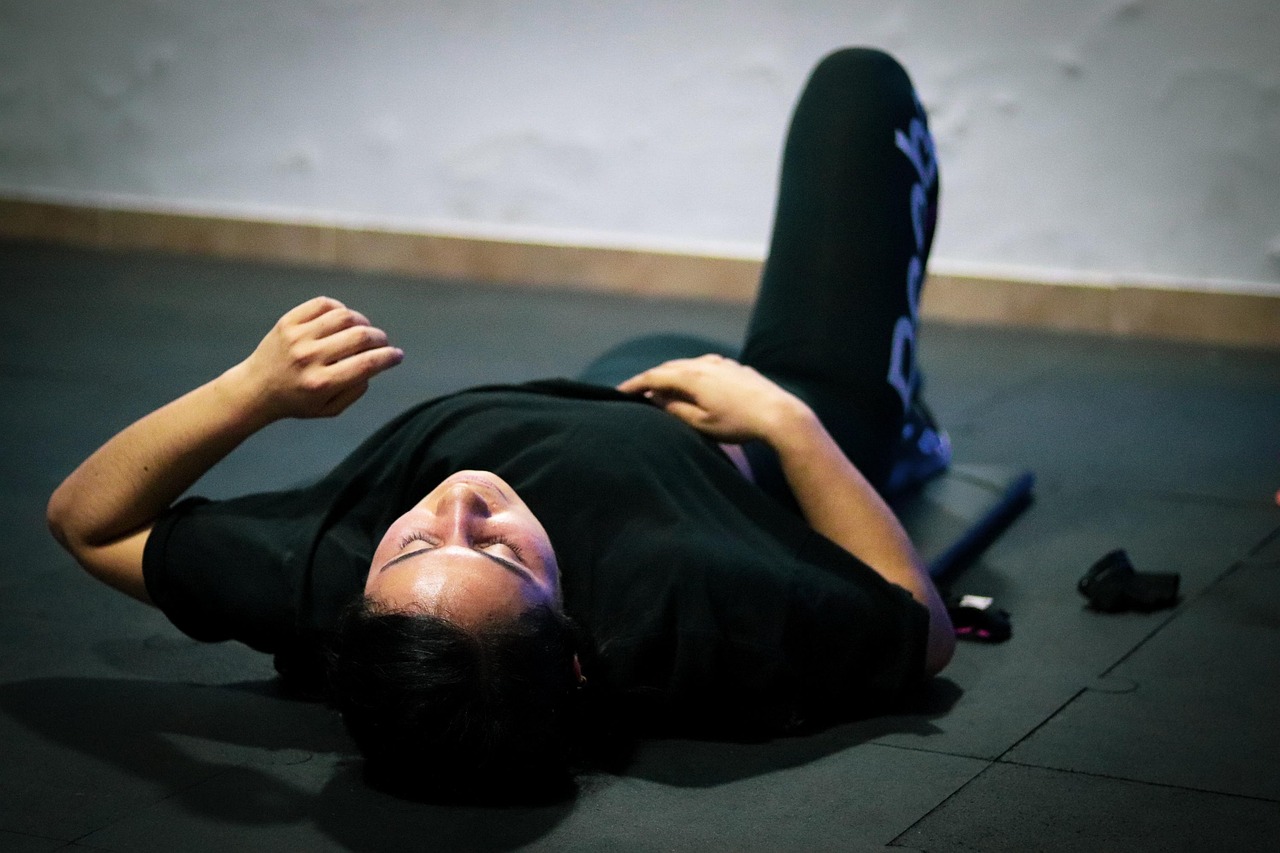

Designing Functional Core Circuits for Maximum Results
Creating effective functional core circuits requires a systematic approach that emphasizes variety, intensity, and adaptability. To start, it is crucial to understand what functional core training entails. This training focuses on developing core strength through exercises that mimic real-life activities. By incorporating movements like squats, rotations, and stability holds, you ensure that your workouts translate to better performance in everyday tasks. Begin by selecting a variety of exercises that can engage different core muscles, including the rectus abdominis, obliques, and transverse abdominis. Consider including multidirectional movements to challenge stability and enhance coordination. Effective circuits often include both dynamic and isometric holds for maximum engagement. Transition smoothly between exercises to maintain heart rate and focus, ensuring that intervals are paced appropriately. Moreover, incorporating resistance elements such as bands, medicine balls, or weights can elevate the intensity. Adaptation is key; frequent rotation of exercises helps circumvent plateaus while keeping your training fresh and stimulating. Aim for a balance between strength-building, endurance, and flexibility within each circuit. Finally, always listen to your body and modify as necessary to avoid injury and promote long-term success.
Choosing the Right Exercises
When designing functional core circuits, selecting the right exercises is paramount for achieving desired outcomes. To start, consider exercises that emphasize both core stability and mobility. Common choices include planks, Russian twists, and kettlebell swings. Each of these highlights different facets of core strength, which aids in daily functional movements. Planks serve as an excellent foundational exercise to improve endurance and stability. For a dynamic twist, Russian twists not only engage the core but also work the obliques through rotational movements. Kettlebell swings add a powerful element, combining strength with cardiovascular conditioning. Moreover, you can also incorporate movements that engage various muscle groups, such as squat-to-press or dead bug exercises, fostering overall body coordination. Additionally, movements such as mountain climbers or wheelbarrow walks introduce instability, which is excellent for developing functional balance. Always ensure that selected exercises match the fitness levels of participants, allowing for modifications as needed. Lastly, remember to incorporate both unilateral and bilateral exercises to promote muscle symmetry and prevent imbalances. By doing so, you reinforce your training approach and build a strong, functional core.
Incorporating rest and recovery appropriately is crucial when creating core circuits. Typically, integrating rest intervals between exercises aids in performance and technique. For high-intensity circuits, entertaining active recovery phases ensures that participants remain engaged while allowing muscle recovery. For instance, fluid movements such as walking lunges or gentle stretches during rest can keep heart rates elevated and circulation optimized. Additionally, monitoring fatigue levels during training can prompt adjustments in intensity or the complexity of exercises selected, ensuring safety and maximal effectiveness. Emphasizing active recovery over static rest helps alleviate muscle stiffness while maintaining workout momentum. Furthermore, proper hydration should be prioritized between sets and during training sessions. Adequate fluid intake keeps energy levels high and muscle function optimal. Remind participants about the importance of listening to their bodies, especially if discomfort arises. It’s essential to address any concerns and adapt immediately to prevent injuries. Nutritionally supporting recovery through healthy snacks or post-workout meals can further enhance muscle repair, particularly when you include protein sources and carbohydrates. Finally, consider scheduling deload weeks, where intensity is temporarily reduced, ultimately providing long-term results.
Integrating Circuit Structures
Crafting circuit structures effectively can optimize core workouts, making them more efficient and engaging. A popular structure consists of a superset, where two exercises are paired and alternated continually. This method allows for training different muscle groups while maintaining intensity during workouts. For example, supersetting a plank variation with a medicine ball throw maximizes both strength and power by engaging various core muscles differently. Alternatively, a pyramid structure can be employed, where participants incrementally increase or decrease repetitions or sets. This technique fosters endurance and builds progressive strength over time. Another way to structure circuits is through time-based training, where exercises are completed within specific time frames, fostering a sense of urgency and efficient use of time. Lastly, incorporating stations within your circuits allows for diverse exercises targeting different areas of the core, which keeps participants engaged and challenges their athleticism. Transitioning effectively between stations enhances cardiovascular fitness while maximizing the effectiveness of the workout. This diverse approach ensures that no two sessions feel the same, which can improve adherence and motivation. Combining various structures together throughout weekly workouts creates a dynamic training environment.
Each circuit session should end with a cooldown to encourage recovery and flexibility. Cooldown strategies may include stretching major muscle groups involved in the workout, specifically targeting the core, hips, and lower back. To facilitate blood flow and muscle recovery, a routine providing gentle stretches is highly effective. Including breathing exercises during cooldown can be beneficial, too, promoting relaxation and enhancing the body’s recovery processes. After high-intensity core circuits, participants might find tension in various muscle areas, thus making cooldowns critical.Consistency is the foundation of progress. Encourage participants to integrate cooldowns as a standard practice after every session. This habit not only aids in recovery but also promotes flexibility, which is essential for functional movements. Educate them on the importance of not skipping this final phase. Additionally, imagine using foam rollers or a lacrosse ball when feasible, as these can also alleviate muscle tightness. Gradually transitioning out of high-intensity training helps the body adapt better to upcoming sessions. Finally, incorporating these cooldown techniques regularly nurtures a holistic approach to training, ensuring participants understand that effective core strengthening involves both rigorous workouts and proper recovery.
Monitoring Progress and Adaptation
This step is essential in achieving optimal outcomes in functional core training. Recording progress helps not only with accountability but also reveals areas of improvement. Encourage the use of performance metrics, like the number of repetitions, the duration of holds, or the amount of weight used, as benchmarks to assess fitness levels over time. Regularly testing these metrics can help identify strengths and weaker areas, guiding the design of future circuits. Establish specific goals based on collected data, whether targeting improved endurance, increasing resistance, or mastering new movements. Adaptation may also involve changing exercise selections or altering the structure of circuits to continually challenge participants. For instance, as proficiency grows, consider progressions in exercises, such as advancing from knee planks to full planks or from simple crunches to weighted variations. Keeping a training diary can bolster mindfulness for participants to see their journey of improvement visually. Moreover, incorporating participant feedback can guide program modifications, fostering an environment of cooperation and personal investment. Ultimately, monitoring progress ensures that the functional core training remains effective, relevant, and motivating.
Engaging participants in well-designed functional core training cultivates a meaningful relationship with fitness. Beyond just muscle engagement, these circuits empower individuals to enhance their movement quality in daily life. By focusing on strength and stability training, participants can feel more confident in their physical capabilities. Educating individuals about the positive impacts of core strength on overall performance promotes buy-in. Features of improved athletic ability, injury prevention, and enhanced posture are just some of the outcomes associated with a strong core. Furthermore, as functional core circuits continue ending sessions with participatory reflection, they increase self-awareness about personal fitness preferences and goals. To foster a communal atmosphere, establish a supportive environment where growth and shared experiences are celebrated among participants. Engaging in group challenges or friendly competitions can motivate individuals to push their limits while reinforcing camaraderie. Lastly, encouraging open discussions about fitness experiences enhances a sense of belonging. By weaving mental engagement into training, it aligns physical efforts with personal goals, resulting in lasting changes in behavior. Ultimately, harnessing the full potential of functional core circuits transforms lives by reshaping outlooks on strength, stability, and overall movement capacity.