
Creating a Safe Fitness Space for You and Your Baby at Home
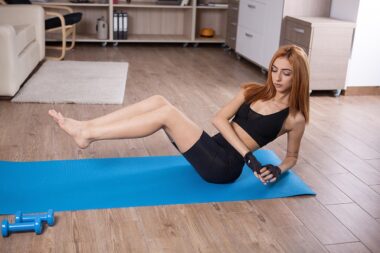
Establishing a dedicated fitness space for you and your baby at home is essential for achieving postpartum fitness goals. A safe, organized area provides a peaceful environment where you can engage in workouts while keeping an eye on your little one. Begin by selecting a room that is spacious and free from potential hazards, such as sharp objects and unstable furniture. Clear out any clutter to make way for your exercise gear, ensuring that your baby has their own designated space nearby with toys or a comfortable play mat. This setup promotes a sense of stability and safety for both you and your child. Prioritize non-slip mats to prevent accidents, both for you during exercises and while your baby is playing. Ensure good lighting in the room, as it helps you to see clearly while also creating a cheerful atmosphere for your baby. Additionally, consider using a family-friendly playlist to keep the mood light and fun. Creating a supportive, engaging space significantly enhances your workout experience while fostering a bonding environment with your baby.
Another important consideration is the choice of equipment you’ll use for workouts with your baby. Options like resistance bands, dumbbells, and stability balls can be safe and effective while taking into account the comfort and security of your child. Always ensure that equipment is out of reach of your baby’s first curiosity to avoid accidents. Stretching and body-weight exercises are excellent choices that allow you to work out safely, simultaneously attending to your baby’s needs. Incorporating exercises like squats and lunges can help strengthen core muscles, enabling mothers to regain pre-pregnancy fitness levels. Furthermore, baby-wearing techniques allow for an added workout challenge while providing affection and comfort to your child. Your baby can be safely secured in a wrap or carrier, and you can engage in brisk walks or even yoga poses that support strength-building. Ensure that you familiarize yourself with proper carrying techniques to maintain your balance. Trying low-impact options such as Pilates is another great way to ease into your routine while providing gentle movement for you and your baby.
Safety Precautions for Exercising with Baby
When exercising with your baby, safety should always remain your top priority. Always consult with your healthcare provider to ensure that you are ready for physical activity, especially after a complicated pregnancy or delivery. Being aware of your physical limitations is key; don’t push yourself too hard right away. As you work on fitness, monitor your baby’s comfort and mood frequently. If they show signs of fussiness or discomfort, pause the workout and attend to their needs, ensuring they feel secure. A diaper change, a quick snack, or simply holding them close can make a difference. Additionally, be mindful of temperature; the room should be kept comfortably cool to avoid overheating during workouts. Hydration is equally important for both you and your baby. Always have water available for yourself, and ensure your baby stays hydrated if they are old enough for liquids. Reviewing your living space, maintaining a tidy setup with furniture arranged away from workout areas, will promote safety and make it easier to focus on replenishing your energy post-exercise.
Incorporating mindful workouts not only aids in physical recovery but also enhances emotional well-being. Yoga, particularly with a focus on breath and relaxation techniques, can be incredibly beneficial for postpartum care. This practice promotes bonding as you can include your baby in gentle stretches. Use props such as blankets to support both you and your baby, ensuring comfort during the session. Such mindful practices strengthen your connection with the little one, creating a peaceful environment that reduces stress. Include a balance of cardio, strength training, and flexibility routines to enhance overall wellness. Engage in varying activities to keep your workouts stimulating and conducive while formulating a routine that you can gradually increase in intensity. Use apps or online classes specifically designed for postpartum training, as they often modify exercises that accommodate your body’s changes after delivery. Staying flexible in your fitness journey will help set realistic expectations. Overall, being patient and nurturing yourself, especially while transitioning into motherhood, is equally crucial as the physical workout itself.
Building a Routine That Fits Your Lifestyle
Creating a fitting and effective routine that accommodates both your baby and fitness goals can present challenges. Start by identifying your available time slots during the day when your baby is likely to sleep or play contentedly. Morning workouts might work better for some, while others may prefer evening sessions. This flexibility allows you to weave fitness into your daily life without creating stress. Encourage your partner or older family members to assist in caring for the baby during your workout times, creating space for you to focus on your health. Setting small, achievable goals helps build habits over time. Begin with short workouts and gradually lengthen and intensify them as you get stronger and more familiar with the exercises. Incorporate variety into your workouts, alternating strength training, stretching, and more energetic cardiovascular routines to keep yourself engaged. Joining a postnatal fitness group, either online or in person, can also provide accountability. Sharing your progress with others can motivate you to remain committed and boost your confidence throughout your fitness journey.
In addition, celebrating small victories within your routine is essential for maintaining motivation. Observe your strength and stamina improvements; take note of milestones and treat yourself whenever you reach a new fitness goal, no matter how small. Recognizing these victories reinforces a positive mindset around fitness, providing encouragement to continue pushing forward. Physical activity has numerous mental health benefits, especially during the postpartum phase. By creating a supportive and enjoyable environment, you engage not only in fitness but also in self-care. Remember that fluctuating emotions and energy levels are normal during this period, so adjusting your routine according to your needs is pivotal. Maintain a positive attitude and practice self-compassion, allowing flexibility within your workouts as necessary. Embracing your transformative journey of motherhood while incorporating fitness can result in finding joy and fulfillment. Additionally, reps and workout plans should align with your current capabilities to keep you safe and prevent injury, ensuring a rewarding fitness journey for both you and your baby.
Involving Your Baby in Fitness Activities
Including your baby in workouts presents a unique opportunity to bond while staying active. Activities like baby-carrying dancing or simple workout movements can turn into fun interactions and a playful experience, making fitness enjoyable. Create a schedule that allows for interactive exercises where your little one can observe and even participate in their way. It builds familiarity with physical movement, which is beneficial for their development, while you can also connect through laughter. Parental fitness classes that permit babies can be a vibrant way to socialize, receiving encouragement from other parents sharing a similar journey. Attend outdoor classes when possible, as fresh air can uplift your spirits and invigorate workouts. Use your baby’s playtime as a form of exercise by engaging in tummy time, encouraging their movement while you simultaneously tone arms and legs. Invest in a jogging stroller for family outings to incorporate cardio and quality time together. Such strategies cultivate a sense of community and enhance your motherhood experience, leading to joyful moments of togetherness while working towards your fitness aspirations.
Finally, don’t hesitate to seek professional support when starting your fitness journey postpartum. Engaging with certified pre and postnatal trainers can provide you crucial guidance, ensuring you adhere to safe practices as you navigate this new phase of parenting. These specialists not only design tailored workouts but also understand the physical and emotional challenges new mothers face. Additionally, engaging with a local support group or online community fosters greater accountability and connection. Participating in discussions with fellow parents allows you to share experiences and gain new perspectives related to workouts and self-care strategies. Establishing connections through fitness aids in minimizing feelings of isolation while encouraging a consistent routine. Staying informed about postpartum changes in your body can also diminish uncertainty. Knowledge about resuming activity post-birth promotes peace of mind. Embrace the journey you’re on as a new parent, and remember that building a safe and enjoyable fitness space supports both your health and well-being. Keep your goals realistic and progress at your own pace to enjoy this remarkable transition into motherhood and fitness.