
Cool-Down Techniques for Hot Climates
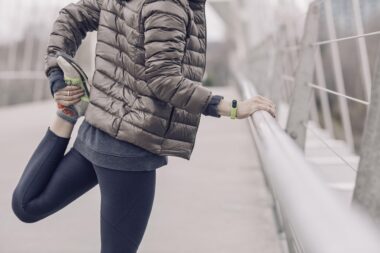
After a vigorous workout in hot climates, proper cool-down techniques are essential for minimizing the risk of heat-related illnesses. As temperatures rise, the body experiences increased internal heat, prompting the heart to work harder. Cooling down gradually helps prevent dizziness and fainting. To start your cool-down, continue your activity at a slower pace for five to ten minutes, allowing your heart rate to gradually return to normal. This transition reduces strain and aids recovery. Afterward, perform static stretches focusing on major muscle groups used during exercise. Hold each stretch for at least thirty seconds, targeting flexibility and muscle relaxation. Always remember to hydrate during this process to restore lost fluids. Cool-down drinks should ideally contain electrolytes, especially if you’ve been sweating profusely. Everyone is advised to listen to their body and adjust the duration and intensity of cool-downs based on how they feel. For added relief, consider finding a shaded area or using a moist towel to cool your skin. Keeping your mind engaged, perhaps with calming thoughts or focusing on your breathing, can further enhance relaxation. Engage in mindfulness, as it aids recovery from physical exertion in challenging environments.
Ensure a Proper Hydration Strategy
Staying hydrated is paramount when exercising in hot conditions, particularly when cooling down. Before beginning your workout, pre-hydrate to ensure body fluids are at optimal levels. During the exercise, continuously sip water to replenish what’s lost through sweat. After activity, drink more fluids, aiming to replace at least 1.5 liters of lost fluid during high-intensity workouts. Consider consuming drinks enriched with electrolytes, which can enhance your body’s recovery through nutrient supplementation. Optimal hydration assists in reducing core body temperature and can help prevent heat-related illnesses. Using temperature-regulating drinks, such as those that are cold or infused with mint, can also support this process. Avoid additional caffeine and alcohol, which can lead to dehydration. Regularly monitoring your hydration levels, including checking urine color, can offer insights about your hydration status. If it appears dark, it signals a need for increased fluid intake. Cool-down drinks can also include coconut water or diluted sports drinks. In closing, establishing an effective hydration strategy is crucial when exercising in extreme conditions. This strategy can significantly facilitate a smoother transition from intense activity to post-exercise recovery, overall improving athletic performance in hot climates.
Incorporating Recovery Breathing Exercises
Breathing techniques play a critical role in cool-down processes after exercising in hot environments. Using structured recovery breathing can aid in lowering your heart rate and promoting relaxation. Start by inhaling deeply through your nose, allowing your diaphragm to expand fully, then exhale slowly through your mouth. This method effectively calms the nervous system, reduces stress levels, and helps facilitate heat loss. Establishing a consistent rhythm through your breath not only helps in cooling down physically but also mentally. Aim for a count-to-four rhythm: inhale for four counts, hold for four counts, exhale for four counts, and return to a resting position. You can perform these exercises standing or seated comfortably. To enhance this experience, find a quiet space free from noise. This will promote focus during breathing sessions, further optimizing your cool-down routine. As you gradually incorporate these breathing techniques into your post-workout, you will notice improvements in both your recovery time and stress management. Overall, emphasizing proper breathing during cool-downs can be advantageous for athletes exercising in hot climates, particularly in aiding cardiovascular recovery mechanisms.
Utilizing Cooling Products and Gear
Employing specialized cooling gear can significantly enhance your cool-down effectiveness when training in hot climates. Options include cooling towels, vests, and wraps specifically designed to regulate heat. Opt for towels that contain cooling crystals or are made from advanced materials that absorb moisture rapidly. By dampening these towels and applying them to your neck, wrists, or forehead, you can considerably lower body temperatures. Additionally, cooling vests are designed to maintain a consistent temperature, offering both comfort and performance-enhancing benefits. They are especially useful during extended exposure to heat. Water misters are another excellent tool, serving as a portable system to deliver a fine mist of water when needed. Carrying a spray bottle filled with cold water allows for quick access to refreshment during the cool-down process. Choose lightweight, moisture-wicking clothing to further assist in heat management. Look for fabrics with UV protection properties to provide added benefits during outdoor workouts. Utilizing proper gear can be a game-changer in maintaining optimal physiological conditions, making your exercise routine not only enjoyable but also efficient, leading to better overall results. Showcasing effective cooling gear can help elevate both performance and comfort during workouts.
Understanding Signs of Overheating
Recognizing the signs of overheating is crucial for safely cooling down after intense physical exertion in hot climates. Early warning signs include dizziness, nausea, excessive sweating, and rapid heartbeat. If you begin to feel light-headed or faint, it’s vital to stop your activity immediately. Transferring yourself to a shaded area or cool environment features prominently in managing heat-related risks. Always hydrate if you notice these symptoms, taking small, frequent sips of water. Continuous monitoring of how your body responds during exercise will facilitate better awareness and proactive measures when overheating occurs. It’s essential to listen to your body’s signs, and don’t hesitate to seek assistance if symptoms worsen. Carrying a portable fan can provide quick relief, creating airflow that aids in evaporating sweat. Furthermore, assess external factors such as humidity and temperature before heading outside for exercise; these can greatly impact your body’s ability to cool down effectively. Understanding personal thresholds for heat-related discomfort helps with planning safer, more efficient workout routines tailored to your unique needs. Taking steps to recognize and manage overheating symptoms ensures a healthier approach to workouts, promoting longevity and endurance in hot climates.
Strategies for Cooling Off in Outdoor Environments
Exercising in hot outdoor settings can pose unique challenges, but effective strategies can enhance your cool-down process significantly. Start by finding a shaded area or utilizing trees or structures to protect yourself from direct sunlight. Additionally, wetting your skin with a cool cloth or spray can dramatically aid in heat dissipation. A change of scenery can often provide the mental freshness needed for a successful post-exercise transition. Utilize natural water sources, like ponds or pools, if safely accessible, to cool off completely. Even a short dip can provide an immediate temperature reduction. You can also practice light mobility exercises or yoga poses to encourage a gradual transition from high-intensity motions. A focusing exercise, such as deep breathing, consolidates body awareness, helping ground you to the immediate environment. Holding each stretch and breathing deeply will ease muscle tension and encourage fluid circulation. Keep an eye on your hydration status by sipping water and being mindful of environmental factors such as wind and humidity levels. Organizing outdoor workouts during cooler hours will also enhance recovery experiences while improving comfort and performance in any setting.
Planning Future Workouts
When training in hot climates, planning future workouts becomes essential in maintaining safety and performance. First, assess your training schedule to identify the hottest periods throughout the day. Aim for early mornings or late evenings, where temperatures tend to be more favorable. Be flexible in adjusting your routine depending on daily climate variations. Using exercise trackers or weather apps can provide real-time updates and forecasts, ensuring that you stay informed. Discussing workout plans with a trainer can foster safety practices for training in challenging settings. Consider cross-training options during extreme heat days, allowing for a safer and effective variation in exercises while still achieving fitness goals. Ensuring rest days amid intense schedules is vital for recovery, enabling your body to adapt and gain strength. Incorporating indoor or shaded sessions within rotary training schedules ensures consistent routines while facilitating comfort. Recognize personal limitations and employ strategies tailored to your needs when planning workouts in different climates. By preparing adequately, you can enjoy fitness without compromising health, enjoying the benefits of outdoor training in an enjoyable and prudent manner.
Listening to Your Body’s Signals
Ultimately, effective cool-down techniques after exercising in hot climates emphasize the importance of listening to your body. Individuals respond differently to heat and strenuous activity, so self-awareness plays a significant role in enhancing performance and recovery. Being mindful of signs of fatigue and discomfort allows for timely adjustments. Over-exertion in high temperatures can lead to heat exhaustion, which could have severe consequences if not managed promptly. Regularly assess how you feel during and after workouts, adjusting pace and intensity as needed. This includes monitoring your hydration, ensuring adequate intake based on the level of physical activity exerted, and compensating with electrolytes as necessary. Engaging in dialogue with fitness professionals can provide insights, offering valuable tips on recognizing personal signals. In time, observing how your body reacts to different conditions will lead to improved strategies setting you up for success. Remember that proper cooling down can help with recovery and enhance your overall wellness. Commit to maintaining best practices consistent with your comfort levels, prioritizing long-term health while enjoying a physically active lifestyle. Therefore, being proactive in listening to your body’s signals serves as the foundation for effective workouts and healthier living.