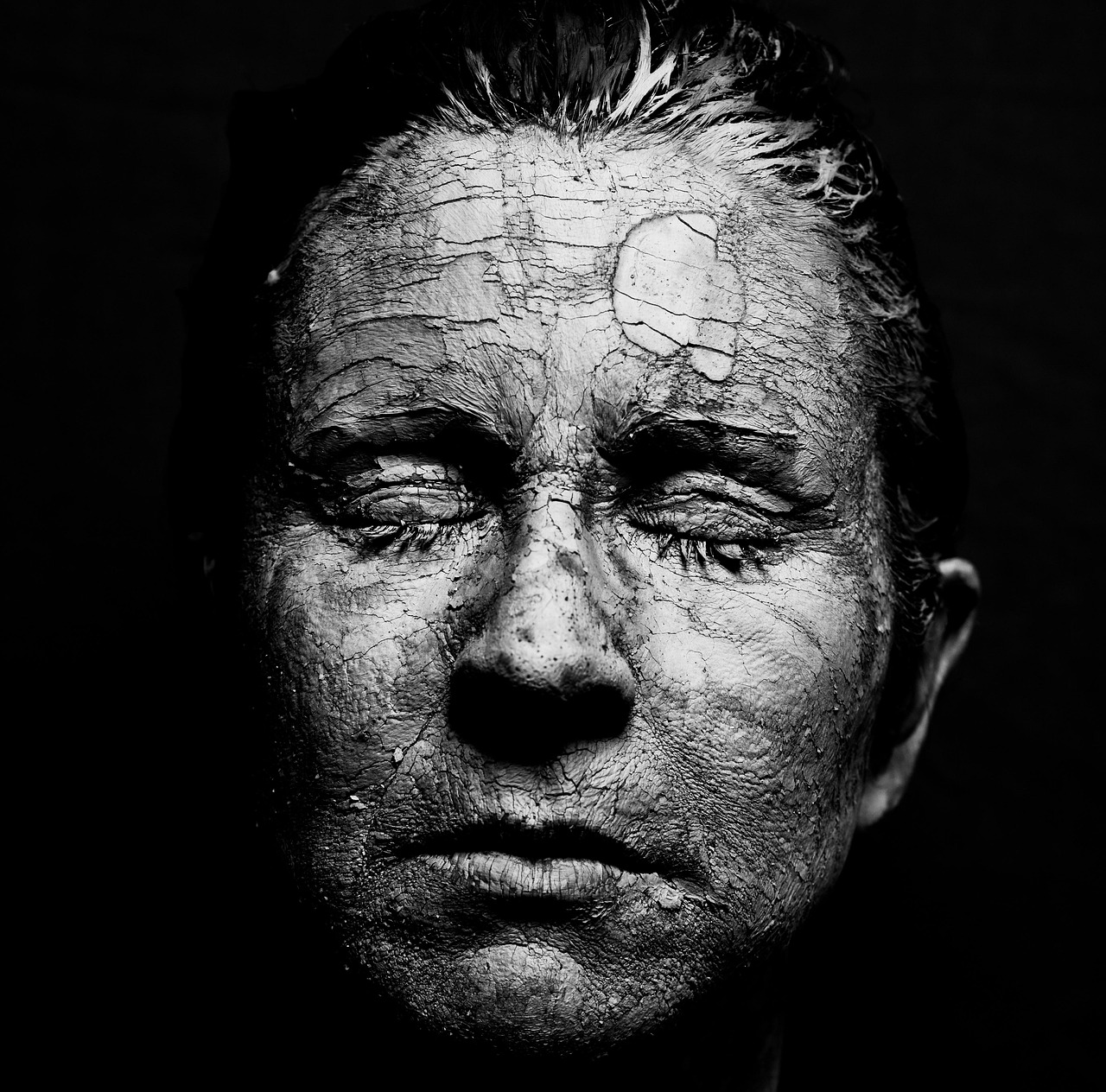

Common Signs of Dehydrated Skin and How to Counteract Them
Dehydrated skin is an issue many individuals experience, but recognizing its signs can make a significant difference. A primary indicator is the feeling of tightness in the skin, often noticeable after cleansing. This occurs when your skin loses moisture and is unable to retain sufficient hydration. Another common sign is dullness; skin lacking hydration appears less vibrant, showing an absence of the healthy glow most seek. Fine lines may become more pronounced, adding an aged appearance. If your skin has a rough texture or feels itchy, it indicates dryness due to dehydration. Redness or irritation may also occur, amplifying discomfort. Thus, being aware of these symptoms is essential for proactive skin care. Engaging in a daily routine that emphasizes moisture can help ease these signs. Consider incorporating hydrating serums and moisturizers. These products provide essential elements to restore balance. Additionally, drinking enough water daily boosts overall skin health significantly. Aim for at least eight glasses of water for optimal hydration. Ensuring your skin receives adequate nutrients makes a noticeable difference over time, enhancing your entire complexion gradually.
Identifying Dehydrated Skin
Understanding how to identify signs of dehydrated skin is crucial for effective treatment. Apart from tightness and dullness, flaky skin can arise due to insufficient moisture. This condition occurs when the outer layer of skin dries and breaks away. It is essential to observe your skin closely, as it will often inform you about its hydration level. Lack of elasticity is another significant red flag; when pinched, dehydrated skin tends to stay in folds longer than well-hydrated skin. One can also notice an uneven skin tone, with darker patches developing due to extreme dryness. Also, makeup may not adhere smoothly on a dehydrated canvas, leading to an unattractive appearance. Dry patches can develop, causing rough spots that may feel uncomfortable. Alongside these signs, increased sensitivity may show signs of dehydration, as the skin becomes irritated more easily. Therefore, having a consistent skincare routine matched with drinking adequate water is essential. Including vitamins such as Vitamin E and C in your diet bolsters hydration. This dietary focus can enhance your skin’s ability to retain moisture, promoting overall health significantly.
Implementing effective hydration strategies is vital to counteract the signs of dehydrated skin. Begin by improving your daily water intake; commit to drinking at least two liters per day. Carrying a water bottle can encourage frequent sipping throughout the day. This habit not only enhances skin hydration but also benefits overall physical well-being. Additionally, incorporating foods with high water content, such as cucumbers, tomatoes, and watermelon, complements your hydration efforts. They can significantly enhance your skin’s suppleness and elasticity. Regularly applying moisturizers designed specifically for hydrating can directly impact your skin’s texture. Look for products containing hyaluronic acid, glyceryl, and ceramides, which lock in moisture effectively. Morning and night applications can promote better results. Avoid skincare products that contain alcohol, as these can contribute to dryness. Instead, opt for gentle, hydrating cleansers. Establishing a fixed skincare routine can give your skin the hydration it needs, significantly improving its appearance over time. Don’t forget to adjust your regimen with changing seasons to address environmental factors affecting skin hydration effectively. Keeping your skin in optimal condition is a gradual process; consistency is essential.
Hydrating Ingredients to Look For
A crucial aspect of improving dehydrated skin is selecting appropriate hydrating ingredients. Products labeled as ‘moisturizing’ or ‘hydrating’ can significantly impact your skin’s overall appearance. Look for those containing hyaluronic acid, known for its incredible ability to hold moisture in the skin. Another vital ingredient is glycerin, which draws water into the skin, enhancing hydration. These ingredients work synergistically with others, such as aloe vera, renowned for its soothing properties, providing essential moisture to dry, irritated complexions effectively. Incorporating these components into your skincare routine can help restore and maintain skin hydration. Additionally, oils such as jojoba or argan oil can introduce much-needed lipids while sealing in moisture. Moreover, look for products rich in Vitamins A and C, which offer nourishing properties essential for skin health. Apply these ingredients regularly for best results, dramatically enhancing skin texture and tone over time. Always conduct patch tests to ensure compatibility, monitoring your skin’s response. Tailoring your product choices according to your specific skin type will optimize results significantly in achieving hydrated, healthy skin.
Moreover, it’s essential to adjust your hydration practices according to the environment around you. Weather plays an influential role in skin hydration, with warmer months often leading to increased dehydration due to sun exposure. Therefore, ensuring adequate sunscreen application helps mitigate this effect while adding moisture. In colder months, heated indoor air can also dry out your skin, necessitating a more significant focus on moisturizing products. Use heavier creams or oils during winter for added protection. Engaging in regular exfoliation also assists in maintaining a healthy skin barrier, allowing hydrating products to penetrate more effectively. Gentle exfoliation, about once or twice a week, can reveal fresh skin layers, promoting better moisture retention. Additionally, incorporating facial masks that focus on hydration provides an excellent boost when your skin feels particularly compromised. Using sleep masks overnight can lead to remarkable results, ensuring deep hydration while you rest. However, always prioritize products formulated with safe ingredients suited to your skin. Attending professional treatments such as hydrating facials can also support your hydration efforts significantly. Managing stress levels through relaxation techniques can further assist in maintaining your skin hydration overall.
Conclusion on Skin Hydration
Finally, enhanced hydration coupled with a comprehensive skincare routine produces rewarding results for dehydrated skin. The immediate effects often reveal themselves quickly with the implementation of effective strategies. A balance of drinking water, applying hydrating products, and following seasonal adjustments promotes optimal skin health. Moreover, keeping track of environmental factors, including exposure to sun or heat can further guide your hydration approach. The observance of any alterations in your skin’s texture or appearance is vital during this process. These observations inform what adjustments might be necessary for your routine. Prioritize formulating a regimen that not only addresses immediate hydration needs but also encourages long-term skin health. Consulting a dermatologist for personalized advice can amplify these efforts, especially if you’re unsure where to start. Achieving glowing and healthy skin is not only about immediate fixes but also about nurturing and maintaining hydration levels over time. Taking these proactive measures will reward you with improved skin health. By adopting the right habits and products, the ultimate goal of vibrant skin can easily be obtainable with diligence and persistence.
Regular follow-up ensures your hydration strategy aligns well with your skin type. Throughout your hydration journey, always be cautious about what products you apply as they significantly influence your skin’s state. Cultivating a healthy habit of evaluating your skin condition periodically will help in adjusting your method according to its emerging needs. Sometimes, fluctuations occur due to hormonal changes, diet variations, or even weather changes. Hence, maintaining communication with your skin will provide insights into any required adjustments necessary for optimal hydration. Your skin is a dynamic organ that reflects how well you treat it. An ongoing commitment to quality hydration will yield extraordinary results as you respond adaptively to your skin’s cues. Hydration is an ongoing practice and should be thought of as a continuous process, not a quick fix. Through time and effort dedicated to nurturing your skin, an enviably radiant appearance is achievable. Take the plunge towards improved hydration with awareness of your body’s needs and reactions. Eventually, you will find yourself enjoying the benefits of healthy, luminous skin as a direct result of your sustained efforts.
Final Thoughts on Hydration and Skin Health
In conclusion, hydration is essential when it comes to skin health, especially for combating dehydration effects. Understanding the common signs of dehydrated skin, recognizing their importance, and knowing how to counteract them is fundamental. By implementing effective hydration strategies and including beneficial ingredients in your skincare regimen, you can achieve remarkable results. Always remain mindful of seasonality, environmental changes, and dietary factors that influence your skin’s hydration levels. Your skin deserves dedicated attention and care; it reflects how well you treat your overall health. Take proactive steps now to enhance hydration for long-term skin vitality. With continued effort, the pursuit of healthy skin remains achievable, no matter what condition. Your skin will reward you with its resilience and natural glow when you prioritize hydration. Always cherish the importance of balance in achieving optimal hydration levels, as this journey involves trust in your methods. Embrace your path to improved skin health with enthusiasm and consistency, making hydration a vital component of your lifestyle. The transformative effects of proper hydration extend beyond aesthetics, sculpting your confidence and enhancing your overall well-being.