
Advancements in Sensor Technology for Fitness Wearables
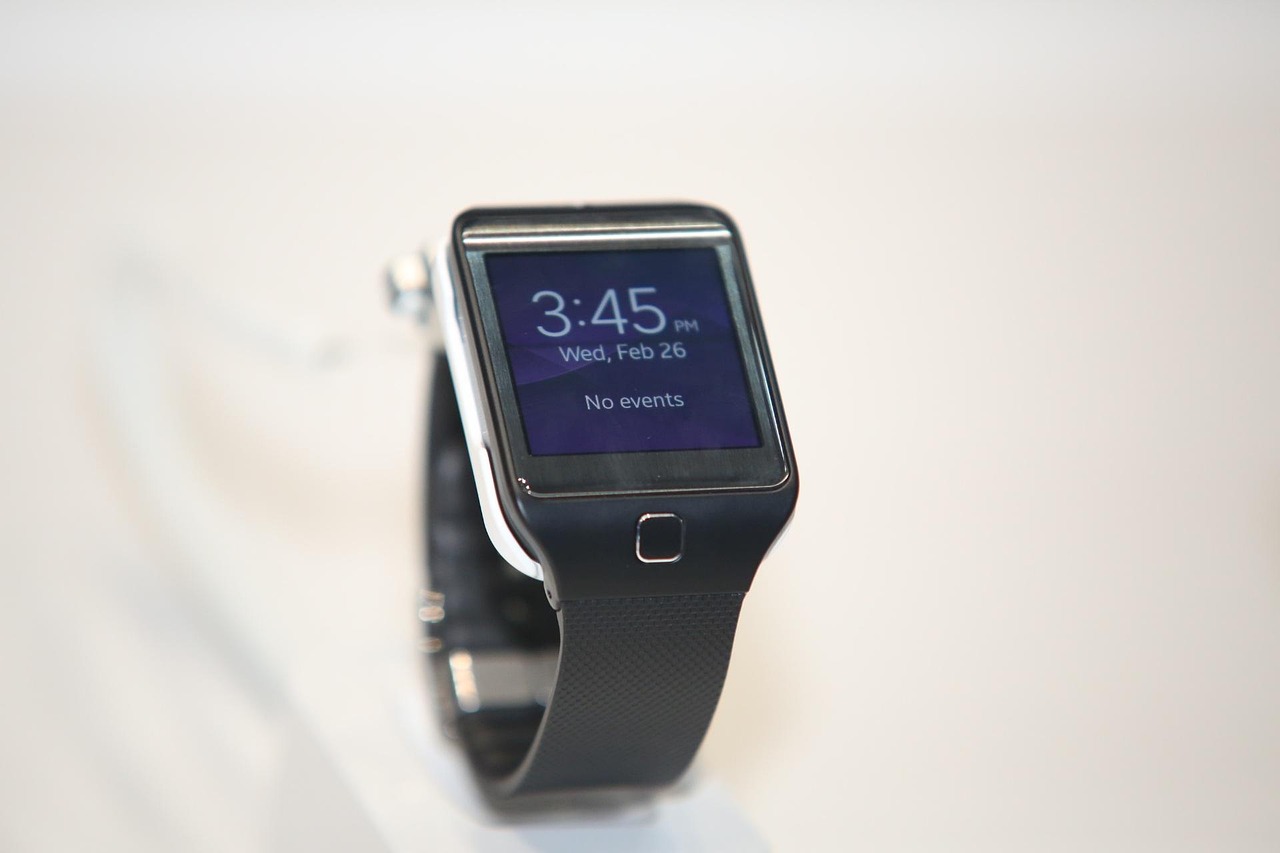
The realm of fitness wearables is experiencing rapid changes due to advancements in sensor technology. These sensors help users monitor their health by providing real-time feedback on various bodily functions. Innovations are integrating sensors that track heart rate, hydration levels, and even stress response. Wearable technology now leverages optical sensors which offer accurate heart rate measurements without the need for chest straps. This enhancement ensures that a wider audience can monitor their physical activity effortlessly. Many devices now incorporate sensors that can measure the skin’s temperature and quantify stress levels through electromyograph sensors, granting users a holistic view of their health and fitness. The data collected not only fosters personal wellness but is also beneficial for healthcare professionals in diagnosing and treating patients. Furthermore, the fusion of these sensor technologies with AI systems promises to enhance the accuracy of fitness tracking even further. Embedded AI can analyze user data and provide tailored fitness recommendations. Thus, as sensor technology continues to evolve, the capabilities of fitness wearables expand, providing users with unparalleled insights into their health and motivation for achieving fitness goals.
These advancements invite users to reimagine their fitness journey, as the integration of real-time updates fosters greater engagement in physical activity. The sensors are becoming increasingly sophisticated and accurate, allowing for a more personalized experience. Some cutting-edge wearables utilize machine learning algorithms to adapt their tracking systems based on individual user patterns, making the data collection process dynamically responsive. As these devices evolve, users benefit from enhanced functionalities, including sleep tracking, calorie burning estimates, and exercise form corrections, all based on sensor readings. This level of detail means that individuals can optimize their workouts for better performance outcomes. Moreover, the modern wearables equipped with additional sensors can also integrate with other smart devices at home, creating a synchronized environment that promotes health monitoring throughout the day. Some smartwatches even enable telemedicine, allowing healthcare professionals to conduct remote sessions based on the data transmitted from wearables. This development enhances preventative healthcare measures, enabling better outcomes for patients. In this way, advancements in sensor technology pave the way for exciting possibilities in fitness and wellness tracking.
The Role of Data Analytics in Fitness Tracking
Data analytics plays a crucial role in the functionality of fitness wearables by converting raw data into actionable insights. The real strength of wearables lies in their ability to collect vast amounts of user data, and advanced analytics processes refine this data into meaningful patterns. Health metrics such as daily activity levels, heart rate variability, and sleep cycles are analyzed to offer comprehensive feedback. Data-driven insights empower users to make informed decisions and set realistic fitness goals effectively. Furthermore, to keep users engaged, gamified elements are often incorporated, allowing users to track their progress against others or themselves through personalized challenges. This can encourage regular usage and foster a community spirit among users. Integrating social media sharing features within apps helps build social networks based on fitness goals, creating motivation through shared experiences. Additionally, as data analytics platforms evolve, the accessibility of user-friendly interfaces ensures that even novices can benefit from complex data interpretations. Data-driven coaching applications give users direct access to professional insights, further bridging the gap between dietary knowledge and fitness tracking.
The increasing complexity of data analytics systems leads to a higher level of biometric monitoring, providing a comprehensive health snapshot. For instance, advanced algorithms can assess the correlation between physical activity and mental well-being, offering a deeper understanding of holistic health. User feedback is crucial for these analytics systems as they continuously improve, providing a feedback loop that enhances the device functionality based on user experiences and outcomes. Companies are increasingly partnering with health professionals to validate their analytics and enhance user trust. This collaborative approach ensures data integrity and usability. By offering tailored recommendations and features driven by complex analyses of user data, these devices are indeed changing how individuals see fitness in their lives. Wearables now allow for long-term tracking of habits, which can lead to significant lifestyle changes over time. This focus on data-centric progress tracking nurtures a culture of accountability to personal fitness. In this dynamic environment, the role of data analytics cannot be overstated, as it enhances user experience while delivering essential health insights that can improve overall well-being.
Future Innovations in Wearable Technology
As technology advances, the future of fitness wearables looks promising with exciting innovations on the horizon. The emergence of flexible and ultra-light materials will allow for even more comfortable wearables. Innovations such as merging textiles with embedded sensors will become commonplace, integrating health monitoring seamlessly into everyday clothing. Enhanced battery life through energy harvesting technologies will ensure that devices are always functional without the need for constant recharging. This feature will empower continuous monitoring without interruptions. Another exciting development is the potential integration of augmented reality technology into wearables, providing real-time visual feedback during physical activities. Users will be able to receive immediate updates on performance through AR interfaces, making workouts more interactive than ever before. Moreover, advancements in connectivity will lead to smarter ecosystems where various devices communicate, giving users a holistic view of their health across multiple platforms. As manufacturers harness the power of blockchain technology, user data security will also see improvements, instilling confidence in privacy for consumers. Overall, the future innovations in wearable technology promise an enriched user experience while enhancing health management capabilities.
Data scientists are now collaborating with fitness experts to create predictive models that foresee user performance trends. These models are designed to alter training regimens proactively based on anticipated fitness levels, ensuring that users continually challenge themselves. That ensures users avoid plateaus and remain engaged. As technological advancement continues, we will likely see the introduction of mental health tracking features. This may include stress-testing software and mindfulness monitoring tools, embracing a more comprehensive approach to well-being. Users need support not only physically but mentally and emotionally as well. Another consideration in future designs is personalization; every individual has unique needs, hence tailored wearable devices that adjust settings based on personal goals will further enhance user experience. The integration of voice assistance within wearables will enable hands-free operations, allowing users to execute tasks without distractions, enhancing convenience. Personalized health chatbots will further guide users by suggesting activities, dietary plans, and motivation through enriched machine learning interactions. With all these innovations, one can only imagine how the future of tracking and monitoring our fitness progress will evolve further, driving individuals more towards healthier lifestyles.
The Impact of Community Engagement
Community engagement in fitness tracking is an essential aspect that encourages user motivation, accountability, and healthy competition. Many fitness wearables now feature social elements, such as leaderboards and connected user groups that encourage individuals to share their progress and achievements. Social interaction through these platforms provides users with encouragement and support, fostering a sense of belonging among users who share similar fitness goals. As communities grow, users often become more inspired and driven to reach their objectives. Socially-influenced workouts are on the rise, with users participating in challenges together, which often leads to a greater commitment toward long-term fitness. When users can celebrate milestones together, it creates a shared sense of pride and accomplishment, boosting morale and motivation. Additionally, group functionalities allow for remote fitness classes led by trainers who assess performance via wearables, leading to enhanced performance feedback. These evolving community aspects are shifting how we view fitness, making it a collaborative endeavor. In this way, sensor technology and community engagement have united to promote healthier lifestyles, proving to be an effective formula for sustained engagement in fitness practices.
As the concept of social fitness continues to evolve, we see tremendous potential for collective achievements in health. The future holds the promise of organized local or virtual events where community members can participate simultaneously via their wearables, creating shared experiences. This synergy between technology and community can enhance collective motivation, ultimately leading to improved overall fitness levels. Furthermore, partnerships with local gyms and fitness centers further bolster these community networks, often offering promotional programs and incentives for users who meet certain benchmarks. By combining technological advancements with social accountability, wearables have transformed into more than just fitness trackers; they now embody comprehensive lifestyle coaching systems. These systems not only monitor the physical well-being of users but also cater to their social and emotional support needs, creating a well-rounded approach to health. The positive feedback loop instigated by community engagement acts as a catalyst for ongoing improvements, keeping fitness journeys vibrant and engaging. With the continuous commitment to fostering community spirit intertwined with the latest sensor technology, users will surely find immense rewards on their path to health.