
Youth Athletics Role Models Sharing Advice on Injury Prevention
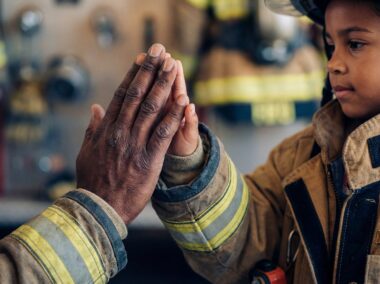
In the world of youth athletics, role models play an essential part in shaping young athletes’ awareness of injury prevention. These athletes not only demonstrate excellent performance in their respective sports but also emphasize the importance of maintaining health and safety on and off the field. Young athletes often look up to their idols and are eager to replicate their habits and lifestyles. This makes it vital for these role models to stress proper techniques, warm-up routines, and hydration methods necessary to avoid injuries. Furthermore, these key figures can share personal experiences where injury impacted their careers, highlighting how to overcome setbacks that may arise. Parents should encourage their children to foster habits learned from their role models, ultimately supporting a culture of fitness and safety from an early age. Plus, understanding injuries can lead to better recovery times, which is equally crucial for longevity in sports. The blend of personal tales and professional advice creates a narrative that young athletes can relate to and learn from as they navigate their athletic journeys. Therefore, role models have an influential responsibility to guide youth in safe athletic practices.
Another significant aspect of injury prevention involves proper education and awareness, which role models can actively promote. Workshops and community events often include presentations led by these influential figures, drawing attention to the importance of understanding potential risks associated with sports. These events focus on teaching young athletes how to recognize early signs of injuries, which can be crucial in preventing something more serious from developing. Additionally, role models should work to foster open communication where young athletes feel comfortable discussing their injuries or any physical discomfort they experience. Parents, coaches, and peers can create an encouraging atmosphere that promotes discussions about injury prevention. Moreover, sharing knowledge about equipment safety and the significance of using high-quality, appropriate gear can also be highlighted at these events. The younger generation learns best through interaction and examples provided by their idols. As knowledge continues to evolve surrounding youth sports, these role models must stay informed and relay accurate information to their followers. This proactive approach can help cultivate a safe sporting environment that protects the physical and mental welfare of young athletes.
Building Strong Support Systems
In addition to promoting well-being through injury prevention tactics, youth athletics role models can also emphasize the importance of support systems. Having a network of guidance from family, coaches, and teammates allows young athletes to thrive without feeling isolated when facing any issues, including injuries. These role models should underscore that having a robust support system can make a significant difference in a young athlete’s confidence and performance. Encouragement from family members plays an important role, particularly when recovering from injuries. Coaches must also cultivate a nurturing atmosphere, where communication remains open for athletes to discuss concerns. Teamwork becomes essential when athletes can rely on one another, providing moral support and accountability. Social gatherings and team-building activities can create relationships built on trust, ultimately impacting the way young athletes deal with any setbacks responsibly. Role models can share their personal experiences, illustrating how their support systems helped them recover and return stronger from injuries. Players should recognize that vulnerability is a part of the journey, while receiving encouragement and advice from those they trust can make overcoming challenges easier.
Proper nutrition is another vital component of injury prevention that role models can influence among young athletes. They should actively promote the understanding of balanced diets rich in vitamins, minerals, and protein to support optimal performance. Emphasizing the significance of meals tailored to pre and post-training can significantly contribute to reducing fatigue and enhancing recovery. Young athletes need to understand that food isn’t merely fuel, but it also plays a huge role in sustaining their health and energy levels. Workshops on nutrition led by these role models can help demystify the complexities surrounding healthy eating while dispelling common myths. Encouraging families to prepare wholesome meals together can help instill lifelong habits that will serve athletes both on the field and in everyday life. Moreover, role models could collaborate with nutritionists to create easy-to-follow meal plans specifically for young athletes. Sharing recipes or even demonstrating meal preparation can further engage kids in understanding proper nutrition. By prioritizing nutrition, athletes strengthen their bodies, reduce injury risks, and maintain peak performance, laying the foundation for success throughout their athletic careers.
Incorporating Mental Health Practices
Mental health awareness is also a vital area where youth athletics role models can encourage healthy practices among young athletes. Understanding the mental aspects of training and performance can significantly influence physical success. Role models should discuss strategies for managing stress, anxiety, and pressure during competitions as they affect every aspect of an athlete’s performance. This holistic approach helps young individuals appreciate that mental fitness is just as crucial as physical conditioning. Hosting workshops or utilizing social media platforms, role models can educate their followers on mindfulness techniques that reduce stress and promote mental clarity. Encouraging athletes to engage in activities like meditation or yoga aids in developing resilience when facing challenges. Vulnerability in sharing their mental struggles adds a great deal of relatability, enabling young athletes to navigate their mental health journeys more effectively. Fostering an awareness of mental health signals a shift in how the sports community supports its members. Establishing a culture where athletes feel empowered to seek help becomes incredibly beneficial, creating a more supportive and understanding environment for everyone.
Moreover, injury management techniques should be emphasized among youth athletes to promote a comprehensive understanding of self-care. Role models can share their own injury recovery stories, illustrating methods for coping, rehabilitation, and waiting patiently to return to sports. Recognizing when to take breaks and seeking professional medical advice are crucial elements of managing injuries. Athletes should clear their schedule for physical therapy while expressing patience throughout their healing journey. Understanding that recovery may take longer than expected helps set realistic expectations. Role models can further advocate for a gradual return to sports, emphasizing the importance of listening to one’s body. Athletes often rush back into competition, potentially aggravating a minor injury. Encouraging a progressive loading approach can help ease them back into rigorous activity. Role models should advocate for recovery discussions during training sessions or practices, incentivizing open communication among athletes. By actively highlighting injury management techniques, young athletes can learn the significance of prioritizing their health and well-being, allowing them to thrive both in their sport and life.
Conclusion: Role Models Making a Difference
Ultimately, youth athletics role models serve an essential purpose by sharing invaluable insights regarding injury prevention and holistic athlete health. Their guidance influences a generation of capable young athletes, shaping their understanding of maintaining their physical and mental resilience. These role models contribute significantly to educating youth and building a culture of safety within sports communities. They demonstrate not only athletic prowess but also the importance of personal growth and self-care, instilling lifelong habits in the next generation. With their commitment to leading by example, they have the potential to inspire change in how young athletes approach their sports journey. Working together to promote injury prevention creates a more positive and sustainable environment where young athletes can flourish. By fostering strong support systems, emphasizing nutrition, encouraging mental health, advocating for proper recovery management, and promoting open communication, role models are helping to create a strong foundation for aspiring athletes everywhere. This collective effort ultimately leads to a safer, more informed athletic culture where success is measured not just in trophies but in well-being.
Additionally, creating an inclusive environment among young athletes is crucial for overall well-being. Role models should strive to foster a friendly atmosphere in which everyone feels encouraged to participate and support one another. Addressing issues like bullying or intimidation within sports helps reassure athletes that their safety is a priority. Role models can become advocates for inclusion, demonstrating how every athlete deserves respect, no matter their talent level. Incorporating teamwork and camaraderie into practices can enhance cohesion and make training more enjoyable. Young athletes are encouraged to collaborate and motivate each other, further reducing the risk of injury through shared responsibility. Ensuring that everyone receives the same opportunities influences participation and promotes a healthy sense of belonging. By advocating for diversity and inclusion, role models create a more compassionate and supportive community for aspiring athletes. Young athletes will carry these lessons into adulthood. The skills gained while participating in youth athletics are invaluable, shaping them into well-rounded individuals. When role models take stands on issues like inclusivity, they help create legacies that extend beyond sports, impacting young lives for years to come.