
Using Video Analysis to Improve Your Bench Press Form
The bench press is a fundamental exercise in weightlifting, targeting the chest, shoulders, and triceps. Understanding the right techniques is crucial for maximizing strength and avoiding injuries. Video analysis has emerged as a valuable tool for lifters aiming to improve their bench press form. By reviewing footage of their lifts, athletes can identify areas for improvement and make necessary adjustments. This method allows lifters to observe their body positioning, bar path, and overall technique in a way that is not possible during the actual lift. Coaches and experienced lifters emphasize the importance of this analysis, arguing that our perceptions can often be misleading. What feels correct may not indeed be correct. For example, arm placement is critical for generating power and maintaining joint health. Video feedback can reveal whether you are flaring your elbows too much or if your grip width is appropriate. Furthermore, analyzing training sessions allows lifters to document progress over time, seeing how their form evolves and improves. Regularly implementing video analysis can instill a greater sense of confidence in one’s performance during competitions. Bringing this technology into one’s training regimen is invaluable for all serious lifters.
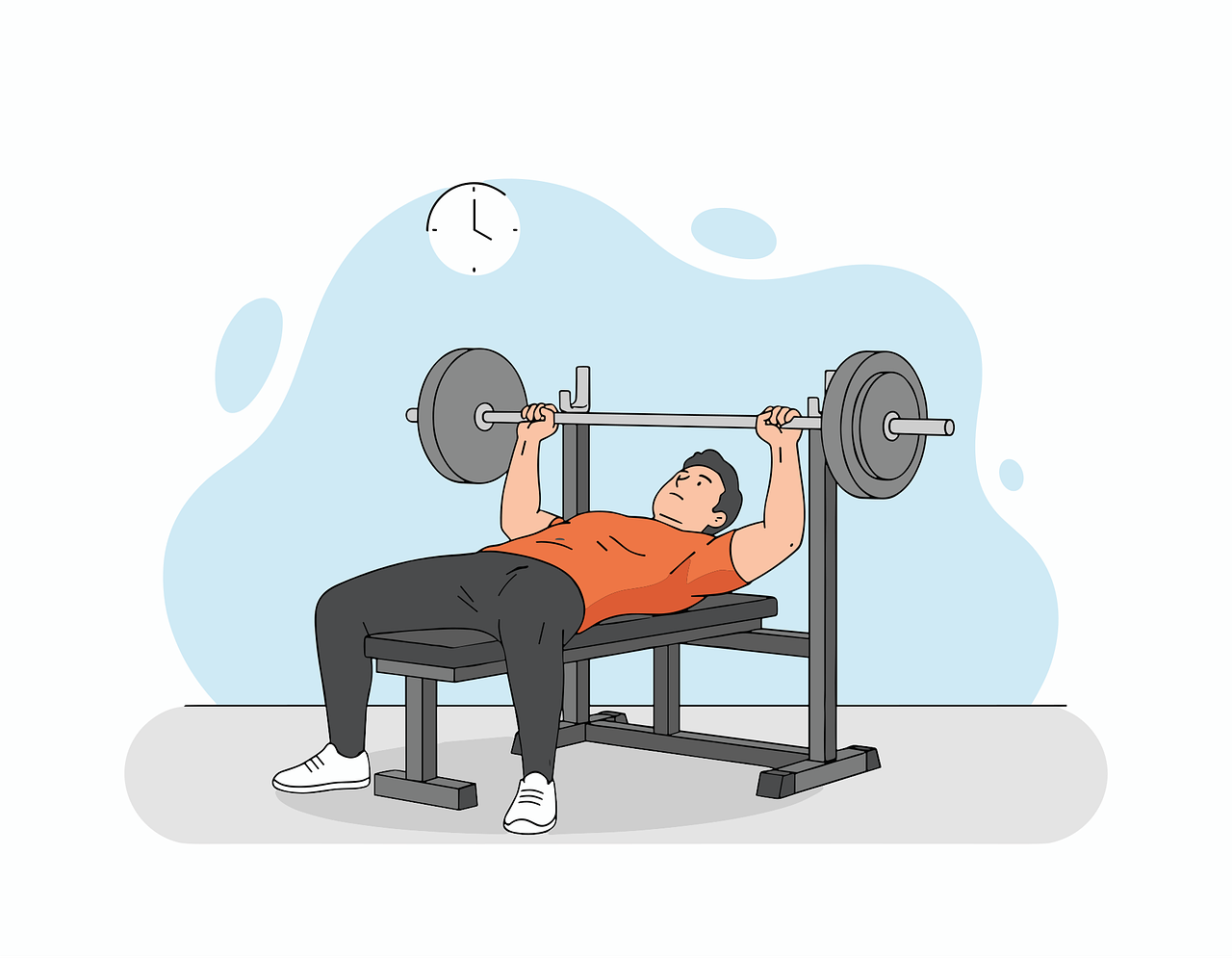
When examining the mechanics of the bench press, lifters should pay close attention to the setup and execution phases of the lift. Proper body positioning begins with one’s feet firmly planted on the ground to create stability. Video analysis helps highlight whether lifters maintain this crucial base throughout the lift. Additionally, comparing personal lift footage against professional lifters can provide insight into optimal body angles and movements. For instance, the angle of the elbows should ideally stay between 45 to 75 degrees relative to the torso. This positioning ensures that the given force is effectively transferred to the barbell. Through repeated analysis, lifters can learn to adjust their elbows during the press for better outcomes. Moreover, video analysis can be beneficial in identifying any tendencies toward incorrect lifting behaviors, like bouncing the bar off the chest or inconsistency in bar path. These issues often lead to decreased performance and increased injury risk. Lifters should actively seek feedback from both video analysis and knowledgeable coaches, combining insights for the best possible form. Progress in the bench press is gradual, demanding diligent self-assessment and a commitment to improvement.
Utilizing Slow Motion Analysis
One effective method in video analysis for bench pressing is to utilize slow-motion playback. This technique allows lifters to scrutinize each component of the press in painstaking detail, revealing subtleties that might otherwise go unnoticed at full speed. Slow motion can help athletes identify specific issues with their lift, such as how their bar path deviates from the intended vertical line. Such insights are critical, as an improper bar path can hinder lifting efficiency. By watching the lift frame by frame, lifters can appreciate how minor changes in body alignment or grip can impact performance significantly. Addressing these small nuances in their technique can yield profound improvements in strength and stability. Incorporating slow-motion analysis into regular training sessions can lead to more deliberate practice. Lifters can focus not only on the completion of the lift but on the integrity of each movement in isolation. Thus, the bench press becomes not just a physical challenge, but also a technical refinement process. Paired with traditional coaching methods, slow-motion video analysis can efficiently enhance training outcomes and help athletes reach their peak potential. Conclusively, it serves as a modern alternative to traditional coaching.
Apart from observing form, video analysis enables lifters to assess their mental approach during training sessions. The psychological aspect of lifting is often overlooked; however, it plays a critical role in performance, particularly in a high-stakes environment such as competitions. By isolating the emotional state and body language during lifts, athletes can uncover valuable insights. For example, moments of hesitation or doubt are often mirrored in the performance outcome. By reviewing footage, athletes can practice focusing techniques to improve their confidence and mental readiness as they approach the bar. Video playback also allows lifters to visualize their progress over time, reinforcing their commitment to improvement and cultivating a positive, growth-oriented mindset. Consistent video training allows lifters to hear internal narratives like, “I can do this!” or “I’ve improved so much!” Such affirmations can have substantial impacts on lifting results. Additionally, discussing the video with coaches or peers can spark motivation and provide new ideas for training. Hence, the integration of mental analysis alongside physical technique paves the way for holistic growth. Lifters who embrace both aspects are likely to see greater overall success in their bench press performances.
Sharing Video for Feedback
One significant advantage of using video analysis is the ability to share lift footage with fellow lifters and coaches. By sharing videos through social media platforms or fitness apps, athletes can receive diverse feedback from a broader audience. This communal approach provides a fresh perspective that may reveal insights not initially considered. For example, peers can provide immediate reactions and suggest alternative techniques for improvement. Moreover, the interaction fostered through these videos can build a supportive community, enriching the training experience. Lifters can learn not only from their own lifts but also from observing others’ videos, allowing them to understand common mistakes and successful techniques. However, it’s essential to gather constructive feedback from reliable sources to ensure that advice leads to genuine improvements rather than misguided tips. Therefore, prioritizing quality feedback over quantity when sharing videos is crucial. Lifters should focus on receiving critique from knowledgeable individuals who can guide proper technique adjustments. The ongoing digital sharing process can create a comprehensive learning environment, reinforcing the development of good habits. Continually evolving as a lifter involves listening, adapting, and nurturing collective growth within the wider lifting community.
Retaining consistency in video analysis can significantly enhance the lifter’s self-awareness and body mechanics over time. Regular lift recording not only provides tangible evidence of progress but also helps in fine-tuning the bench press technique between training sessions. Keeping a log of lifting sessions enables athletes to revisit past videos and observe fluctuations or improvements in their form. Regular reviews make it easy to track developing habits or systems of movement that yield optimal results. Adapting based on past performances allows lifters to address any reoccurring errors that might have previously hindered progress. This continual process of observation leads to intrinsic motivation as athletes witness their journey and achievements through data. In this sense, the bench press evolves from a mere exercise to a personal benchmark of physical capacity and technical mastery. To ensure effectiveness, lifters must establish routines for reviewing their footage, determining specific criteria for evaluation, and setting progressive goals based on observations. Each session should build on the last, as this accumulation of knowledge leads to mastery over form. Such ongoing adjustments foster not only improved physical performance but a deeper connection to one’s lifting journey.
The Future of Video Analysis in Weightlifting
As technology advances, the future of video analysis in weightlifting seems promising, with innovations set to revolutionize training methods further. Emerging applications are designed specifically for athletes, offering tailored feedback based on individual performance metrics. Automated systems can now analyze each movement and provide instant recommendations, making this technology increasingly accessible to the average lifter. For instance, motion capture technology is becoming more cost-effective, enabling lifters to invest in tools that previously seemed out of reach. Furthermore, the integration of augmented reality could introduce visual cues during lifts, helping athletes correct their form in real-time. Imagine lifting with a coach displayed virtually next to you, guiding each rep! Such advancements promise to enhance the learning curve significantly compared to traditional methods. However, while technology enhances training, it’s vital to remember that it cannot replace the expertise and personalized feedback of a qualified coach. Balancing high-tech analysis with experienced coaching is paramount for effective progress. Embracing innovations while maintaining core training principles will enable athletes to achieve unprecedented heights in their bench press performance. As we move forward, the integration of these tools will surely redefine what’s possible in the world of weightlifting.