
Using Technology to Enhance Resistance Training
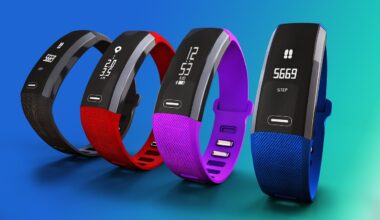
In today’s fitness landscape, technology is a growing force shaping resistance training techniques. The integration of advanced devices into workouts can significantly enhance performance and offer personalized experiences. Whether you are a seasoned athlete or a beginner, incorporating technology can help optimize your training. One notable trend is the use of wearable devices, such as fitness trackers and smartwatches. These gadgets allow for real-time monitoring of metrics like heart rate, calorie expenditure, and even muscle engagement. As a user, you gain immediate feedback, enabling you to adjust your workouts accordingly. Moreover, these devices can store workout data, making it easier to track progress over time. By analyzing patterns and results, you can make informed adjustments to your regime. For those who benefit from guidance, mobile applications provide structured plans, instructional videos, and progress tracking. Some apps even use artificial intelligence to adapt workouts based on your performance. Embracing technology doesn’t only make workouts more efficient but also creates a more engaging experience. The future of resistance training lies in successfully merging traditional techniques with cutting-edge technology.
To further explore how technology enhances resistance training, consider the impact of guided workouts through virtual platforms. Online coaching has exploded in popularity due to recent advances, enabling trainers to create tailored routines that match individual goals. Virtual sessions allow participants to connect with their instructors in real time. Additionally, high-quality video streaming ensures that you can observe proper form and technique throughout your workout. Many platforms also foster community interactions, offering motivation through group exercises. Interactive workouts can build camaraderie while utilizing technology to enhance effectiveness. The introduction of augmented reality (AR) in resistance training also opens exciting new avenues for engagement. Imagine wearing AR glasses that overlay performance metrics directly onto your field of view while lifting weights. This level of immersive experience promotes a better understanding of technique and effort. By guiding you through proper form, AR can minimize injury risk and enhance workout effectiveness. Many users report that such innovations make their training more enjoyable and rewarding. As technologies continue to evolve, the potential for AR in resistance training is vast and largely untapped.
The role of data analytics is vital as technology continues to personalize resistance training. Fitness apps collect quantitative data that informs exercise routines by identifying strengths and weaknesses. By applying metrics such as repetition speed and volume, apps can recommend specific adjustments. For example, if a user consistently struggles with a specific exercise, the app may suggest modifying the weight or altering the number of sets. Not only does this ensure that users remain challenged, but it also aids in avoiding plateaus. With machine learning capabilities, apps can continually factor in user feedback and performance trends to refine recommendations. Such features lead to more individualized experiences that adapt as you progress. Moreover, data integration encourages a goal-setting mindset. As metrics improve, users feel more engaged in their training journey. Since motivation is crucial for long-term success, these insights can help keep users accountable. Additionally, comparing results with fellow gym-goers or participants adds a competitive element, motivating one another to excel. Ultimately, data-driven technology ensures that resistance training remains effective and dynamic.
Virtual Reality in Resistance Training
Virtual reality (VR) technology is making waves, offering immersive experiences that change the approach to resistance training. By utilizing VR headsets, users can enter fully immersive environments designed for workouts. These environments can simulate various landscapes and scenarios, creating a more dynamic training atmosphere. Moreover, instructor-led sessions can materialize in VR, providing participants with a level of interaction that traditional videos can’t match. Users can receive real-time feedback on their form while engaged in challenging, game-like scenarios that encourage increased effort. Such an engaging approach results in enhancing user motivation, making workouts more enjoyable. Furthermore, users benefit from comprehensive analysis tracked during sessions, allowing them to observe their performance metrics closely. VR workouts can transform the mundane aspects of training into interactive, adventurous sessions. As users experience varied resistance settings, they can engage in exercises that push their limits without feeling monotonous. Consequently, this genre of training emphasizes both physical and mental engagement, enriching the resistance-training journey. The potential applications of VR in resistance training are continually expanding, promising widespread acceptance in fitness routines.
As we continue exploring technological advancements, the concept of smart gym equipment is gaining traction. High-tech machines equipped with sensors can assess a user’s performance metrics in real-time. Smart dumbbells, barbells, and benches capture data like load and movement patterns. As a result, users can focus on optimizing their workouts without the constant need for manual tracking. Some equipment is even programmable, allowing users to set preferred resistance levels. This technology enhances safety, especially for those training alone, as it minimizes the risk of overexertion. Additionally, connected devices can sync with mobile applications to create an integrated training ecosystem. Users receive continuous progress updates, fostering an informed approach to their fitness journey. These innovations are reshaping gym experiences while catering to user needs, thus enhancing overall effectiveness. Although smart gym equipment may require an initial investment, the long-term benefits far outweigh the costs. Understanding your body’s responses and making data-informed decisions improves training success. The interaction between users and advanced equipment reveals an exciting frontier within resistance training while providing insights that were previously unattainable.
Moreover, social media platforms have become a resource for the resistance training community. With the rise of fitness influencers, social media offers free access to expert advice and workout ideas. Channels like Instagram and YouTube host a plethora of videos that demonstrate proper techniques and techniques. Users can follow along with these workouts, replicating exercises at their convenience. For those seeking accountability, online support groups and communities provide a platform for motivation and encouragement. Sharing progress on social media inspires others to embark on their fitness journeys. Many users form connections with their favorite influencers, who often provide personalized tips, transforming vague techniques into actionable plans. This social engagement takes resistance training beyond the gym, creating a holistic approach to fitness. Users feel connected, encouraged, and informed thanks to the collective knowledge shared across these platforms. This phenomenon democratizes access to quality fitness education, thus empowering individuals to pursue their resistance training goals. Integrating technology with social media is making resistance training not just a workout, but also a lifestyle.
The Future of Resistance Training
As we look to the future, the integration of cutting-edge technology continues to redefine resistance training. The collaborative potential of AI, VR, and smart devices presents an exciting frontier for fitness enthusiasts. As technology continuously evolves, we can expect to see improvements in the accuracy of fitness tracking devices, enabling even more personalized fitness guidance. Seamlessly connecting devices will allow users to view consolidated performance metrics, simplifying analysis while enhancing engagement. Furthermore, the evolving design of equipment will incorporate AI to adjust exercises based on user fatigue and muscle response, making workouts even more effective. Additionally, educational enhancements using VR will help users learn the optimal techniques to perform exercises correctly. As the fitness industry embraces technology, resistance training will become increasingly accessible and engaging, ultimately fostering a healthier society. With the ongoing benefits of real-time data and continuous improvements in technology, individuals can connect with their training more deeply than ever. The journey into resistance training provides endless opportunities for personalization and innovation, ensuring that the future of fitness is bright.
In conclusion, the impact of technology on resistance training is vast and multi-faceted. From wearable devices to virtual reality experiences, emerging technologies are enhancing both the effectiveness and enjoyment of workouts. As individuals increasingly embrace these innovations, the future of fitness looks promising. The integration of technology and resistance training empowers individuals, allowing them to train smarter and achieve their fitness goals with unprecedented ease. By leveraging data analytics and social media platforms, users cultivate a sense of community and shared knowledge, enriching their experiences. The ongoing evolution of technology supports every level of fitness journey, ensuring that both novices and seasoned athletes can benefit. As technology adapts and thrives, resistance training will undergo continual refinement to meet user needs. Ultimately, the merging of traditional resistance training and tech-driven solutions will pave the way for a healthier and more informed population. The integration of technology into our workouts is not just a trend but a guiding principle for future fitness initiatives. Everyone can embrace this change, making resistance training accessible and effective for all. With technology as a partner, the possibilities are limitless.