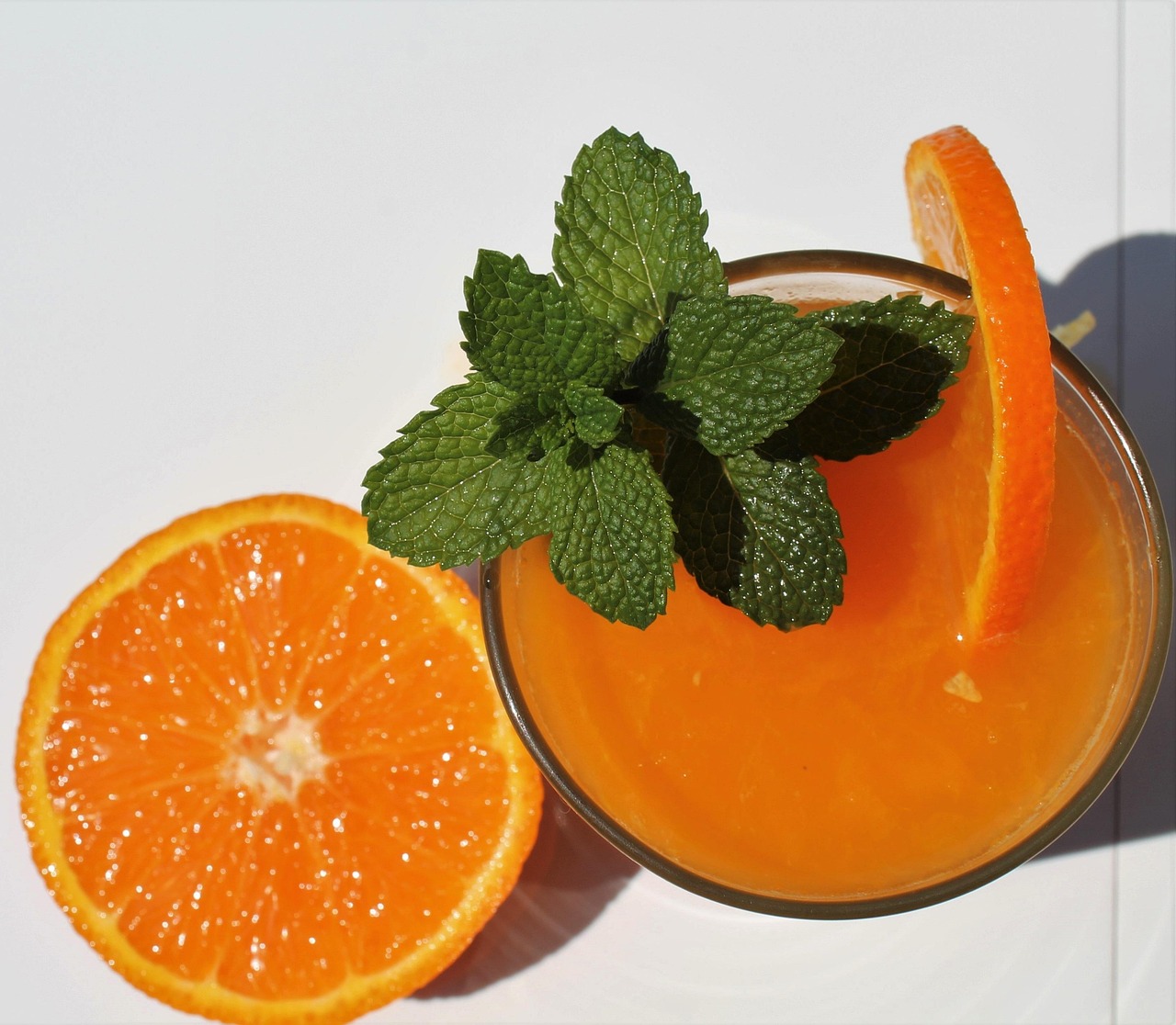

The Importance of Antioxidant Vitamins C and E in Pre-Workout Meals
Understanding the key nutrients in pre-workout meals is crucial for optimizing performance. Antioxidant vitamins C and E play a vital role in this process. These vitamins are known for their ability to combat oxidative stress that occurs during intense exercise. Oxidative stress results from an imbalance between free radicals and antioxidants in the body. Athletes and individuals who engage in rigorous workouts often experience this imbalance. Nutritionally, vitamin C helps improve the immune system and is vital for collagen production. Meanwhile, vitamin E aids in protecting cell membranes from oxidative damage. Incorporating these antioxidants can enhance recovery, reduce muscle soreness, and improve overall exercise performance. Foods rich in vitamin C include citrus fruits, strawberries, and bell peppers, while vitamin E sources consist of nuts, seeds, and green leafy vegetables. Consuming a mix of these foods before workouts may bolster energy levels and lead to better outcomes during training and competitions. This grounding in nutrition can empower individuals to refine their approach to pre-workout diets, ensuring the energy and endurance they need to succeed.
Furthermore, antioxidants such as vitamins C and E are key to maintaining well-being throughout the exercise regimen. These nutrients collaborate efficiently, guarding against damage caused by free radicals to the muscles and tissues. Vitamins can be beneficial in minimizing inflammation, primarily when derived from whole foods rather than supplements. It is crucial to reach for natural sources for the maximum benefits these vitamins offer. When properly integrated into a pre-workout meal, users may notice fewer symptoms of fatigue, better performance, and quicker recovery. Ideally, athletes should aim to consume a meal rich in these antioxidants beforehand to enable optimal energy and stamina. In addition, research has suggested that regular consumption of antioxidant-rich foods can lead to enhanced physical performance and muscle repair. Careful planning of meals should involve balancing carbohydrate intake with the necessary vitamins, creating a synergistic effect that boosts performance efficiency. Making conscious decisions regarding what to eat prior to exercising can lead to more effective workouts. Ultimately, vitamin C and E provide foundational support for anyone looking to maximize their workout potential, reinforcing the importance of nutrient awareness.
Sources of Antioxidant Vitamins
Identifying effective sources of antioxidant vitamins is essential for athletes looking to enhance performance. Engaging in a balanced diet that includes vitamins C and E can support the body’s resilience and adaptability to strenuous activities. Vitamin C can be sourced from various fruits and vegetables, notably kiwi, guavas, and broccoli. Incorporating these foods into pre-workout meals can ensure adequate intake of this nutrient. Meanwhile, vitamin E is found in abundance in nuts like almonds and hazelnuts, sunflower seeds, and oils such as olive oil. Planning meals around these ingredients can not only provide antioxidants, but can also supply the body with fats that help in energy storage and absorption of fat-soluble vitamins. Additionally, fruit smoothies blending various sources could serve as a practical pre-workout snack. Balancing the nutritional profile of meals is fundamental to ensuring that the energy gained translates into better workout performance. Thus, carefully selecting food sources can yield effective results in physical training and overall endurance. Knowledge of these nutritious sources can empower more precise dietary choices for lasting energy and stamina.
Optimization of nutrient intake continues through meal timing as well. Consuming the right pre-workout nutrients at an ideal time—around 30 to 60 minutes—before exercise can significantly enhance energy levels. Timing can maximize the nutrient availability during workouts, ultimately leading to improved results. Pre-workout meals should ideally include complex carbohydrates, lean proteins, and the antioxidant vitamins discussed. A meal rich in these nutrients can create a sustained energy release, combined with the protective role of vitamins C and E. This balance provides a safety net against oxidative stress and fatigue during rigorous training. For practical implementation, consider preparing a smoothie with bananas, spinach, and a handful of nuts, easily packed with essential nutrients. Combining the fiber-rich carbs, proteins, and antioxidants empowers anyone to push through their limits while staying strong. Additionally, keeping hydration levels in check will further optimize performance and recovery. Thus, a strategic approach to nutrition in terms of nutrient timing and composition is necessary to reap the full benefits of pre-workout meals.
Effects on Recovery and Performance
Improving recovery and performance is a primary focus of athletes and fitness enthusiasts alike. Antioxidant vitamins have been shown to reduce exercise-induced oxidative damage, leading to shorter recovery times and less muscle soreness. Presence of vitamins C and E in pre-workout meals sets the stage for effective performance when incorporated thoughtfully. Historically, many athletes and trainers have recognized that consuming nutrients before exercising produces a positive effect on overall results. Vitamins C and E function not only as antioxidants but also promote important physiological functions critical in exercise performance. One of these is cellular function related to muscle contraction; another pertains to energy production pathways important for endurance workouts. Consequently, the absence of these nutrients may hinder one’s ability to cope with intense workouts, ultimately slowing down recovery. Proper inclusion of antioxidant vitamins can alleviate some of these concerns, creating a more balanced physiological state. An understanding of the relationships between nutrition and fitness can offer significant insights for all fitness levels, emphasizing the indispensable role of these vitamins throughout training and recovery.
Moreover, numerous studies support the link between antioxidant consumption and improved athletic performance. Many trainers advocate for enhancing dietary strategies tailored to individual needs, especially in terms of including vitamins C and E in pre-workout nutrition plans. Emphasizing whole foods, such as colorful fruits and vegetables, will provide not only antioxidants but also a variety of other essential vitamins and minerals. Relying solely on supplements may not yield the same benefits as incorporating these nutrients from natural sources. A focus on nutrient diversity can ensure that athletes gain maximum efficacy from their meals. In addition, monitoring the timing of these nutrients can also improve how effectively they serve amino acids and carbohydrates within the body. This proactive approach can establish a solid foundation for reliable energy during workouts and subsequent recovery. Ultimately, awareness of nutritional choices will promote informed decisions, supporting successful performance outcomes. Satisfying the body’s needs naturally, especially for antioxidants, will greatly enhance any training regimen aimed at improving fitness and health.
Conclusion on Nutrients for Optimal Workouts
Analyzing the role of antioxidant vitamins C and E emphasizes their significance in pre-workout meals. The synergy of these nutrients fosters improved energy levels, enhanced performance, and efficient recovery while combating oxidative stress. Nutrition is seldom given the priority it deserves in influencing workout outcomes, yet the choice of what to consume can alter training efficacy. Therefore, an investment in understanding nutrient sources is equally valuable for all fitness enthusiasts, from novices to seasoned athletes. A strategy incorporating vitamins C and E through diet can lead to substantial improvements in overall health and performance. As a guideline, prioritizing nutrient-rich foods and timing their intake carefully can optimize the results one aims to achieve with their workouts. Building a foundation through informed food choices fosters a proactive approach to health, yielding long-lasting benefits. Rounding off a pre-workout meal with antioxidant-rich foods serves as an athletic advantage while reinforcing overall health goals. Striving for synergy within pre-workout nutrition can, ultimately, form the cornerstone of athletic success and personal achievements.
Overall, understanding the importance of antioxidant vitamins in pre-workout nutrition serves as a critical step in achieving fitness aspirations. A well-planned diet can enhance energy, reduce recovery time, and promote optimal performance during workouts. As awareness grows about the role of various nutrients, individuals can take empowered steps toward refining their dietary strategies. Recognizing that pre-workout meals are instrumental in building resilience and capacity can change the trajectory of any exercise regimen. Committing to a diet inclusive of antioxidant-rich foods reflects a thorough understanding of the nutritional aspects required for success. Consequently, engaging in practical meal preparation and timing can unlock new levels of performance and endurance. With antioxidant vitamins C and E, individuals can enjoy powerful tools for enabling stronger workouts while facilitating effective recovery processes. By prioritizing nutrition and creating well-balanced meals, those committed to fitness can see profound effects on their efforts. Hence, improving workouts through knowledgeable applications of nutritional science emphasizes its vital role in athletic and fitness endeavors.