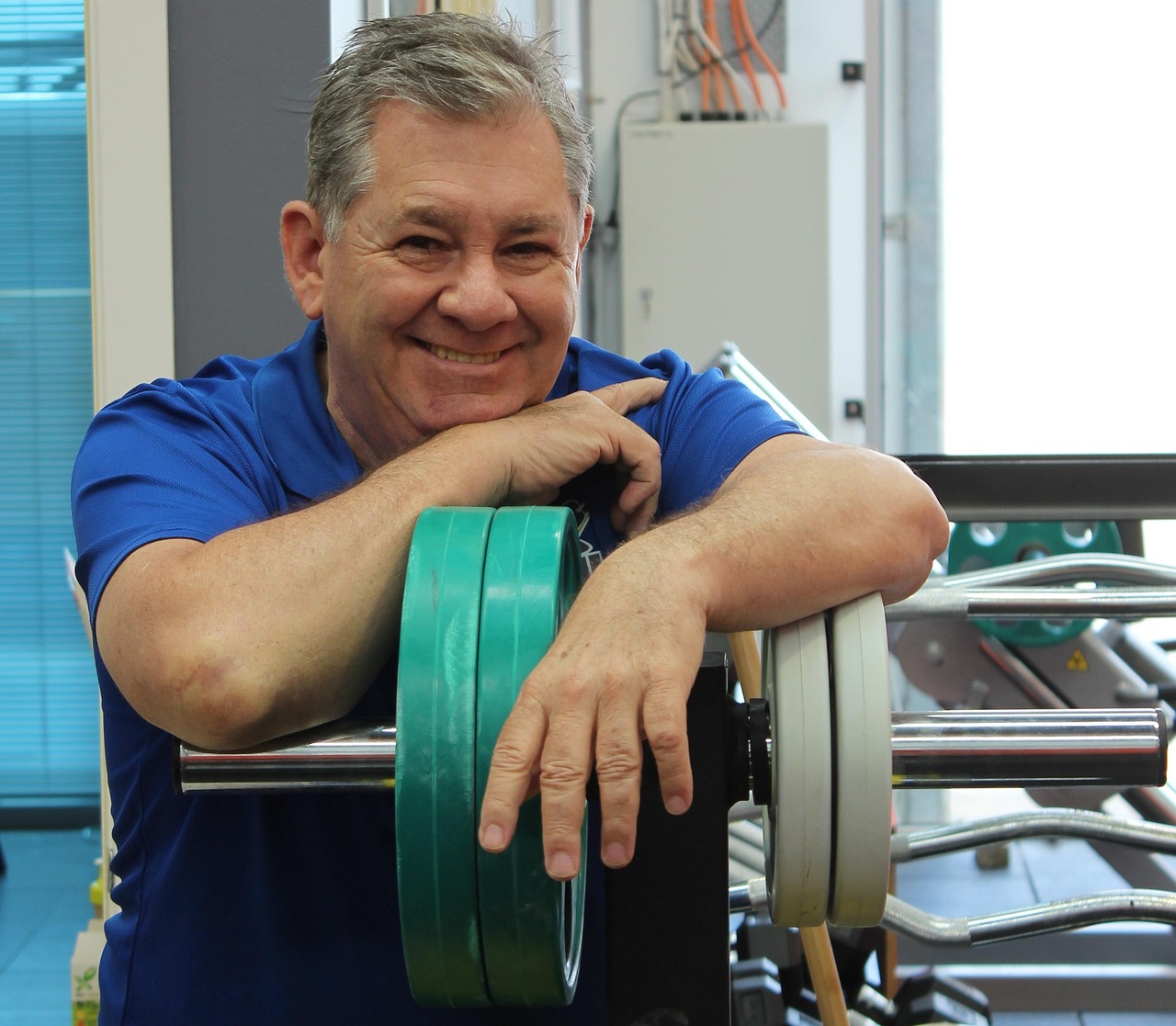

Role of Senior Fitness Coaches and Trainers: What to Look For
Senior fitness coaches and trainers play a crucial role in helping older adults achieve their health and wellness goals. With the rise in life expectancy, the need for personalized fitness guidance designed specifically for seniors has become increasingly important. When looking for a coach or trainer, it is essential to seek individuals who specialize in senior fitness, as this specialization ensures that specific health concerns and physical limitations are understood. A knowledgeable senior fitness coach will assess an individual’s needs and conditions, creating tailored workout plans. Moreover, they should possess experience and credentials that validate their expertise. Look for certifications in senior fitness, which demonstrate a commitment to understanding this unique field. Additionally, choose a trainer who emphasizes safety and injury prevention while promoting physical activity. Older adults may have underlying health issues that require careful consideration in their fitness routines. Ultimately, finding the right fitness coach can make a significant difference in a senior’s physical health, quality of life, and overall health outcomes.
Effective communication between the senior and their trainer is vital for building trust and ensuring understanding. The ideal trainer should take time to listen attentively to the client’s goals, preferences, and any concerns. This open line of communication helps in crafting a successful fitness strategy tailored to individual capabilities. A good trainer will also provide regular progress checks and assessments, ensuring that the client feels supported throughout their journey. Coaches should engage seniors with motivational strategies that encourage them to stay active. They might include group classes or social fitness activities and even provide regular feedback. As trainers adjust exercise plans based on progress, seniors can also have a greater sense of achievement, motivating them further. Active participation in fitness programs also helps seniors build community and form friendships, which is essential for mental well-being. Searching for reviews and testimonials about potential trainers can also guide clients in their choice. Positive feedback from previous clients can indicate effective coaching methods. Always consider compatibility when choosing a trainer, as rapport significantly impacts commitment to fitness.
Understanding the Importance of Experience
Experience is another critical factor when choosing a senior fitness coach or trainer. An experienced professional will not only have a deeper understanding of the unique challenges faced by seniors but also various tools and techniques to help overcome these obstacles. Trainers should be familiar with age-related conditions such as arthritis, osteoporosis, and mobility issues, and know how to work around them. Additionally, seasoned trainers often have a repertoire of exercises that cater to different fitness levels and abilities. They can adjust workout plans in real-time, ensuring that clients remain engaged without overexerting themselves. Developing a customized program that takes lifestyle, mobility and health conditions into account is paramount to achieving fitness goals. Potential personal trainers should provide a demonstration of their understanding of senior wellness by discussing past experiences. Everyone has different relationships with physical nurturance, so trainers must adapt their methodologies to each senior’s situation. This flexibility demonstrates their commitment to holistic wellness and makes it easier for seniors to embrace an active lifestyle. Therefore, prioritize experienced trainers who reflect a strong foundation in senior fitness.
Another essential aspect is the trainer’s approach to nurturing motivation. Many seniors may start a fitness program but can struggle with consistency. Therefore, trainers capable of instilling motivation and creating a fun, lively atmosphere can elevate their clients’ experiences. Engaging seniors with varying modalities, such as light resistance training, aerobics, or even dance, can make workouts more enjoyable. Encouraging social interactions during group sessions fosters a sense of belonging and motivation. When seniors feel part of a community, they may be more inclined to stay active and participate consistently. Additionally, trainers should set realistic goals that clients can achieve steadily over time, promoting an empowering journey towards improved health. As confidence builds, seniors can push themselves to achieve more challenging objectives while feeling safe and secure. Coaches who celebrate small milestones through recognition and encouragement will boost clients’ spirits. This type of positive reinforcement contributes significantly to a senior’s overall outlook on fitness. It is essential for seniors to know that the journey is just as important as the destination.
The Importance of Nutritional Guidance
Nutrition is another significant component of overall wellness for seniors. A fitness coach should ideally provide insights into healthy eating habits and nutritional requirements tailored to aged bodies. Trainers may collaborate with nutritionists or provide resources on how seniors can maintain a balanced diet alongside their exercise routines. Adequate nutrition supports better outcomes from fitness programs, promoting muscle recovery and overall health. Seniors should understand how to fuel their bodies correctly to enhance their workout benefits, as energy levels generally fluctuate with age or activity levels. Proper hydration and nutrient intake become crucial as metabolic rates change. Coaches should advise participants on the importance of hydration and regular nutritious meals. Simple dietary adjustments can be integrated to support overall fitness goals, including increased fruits and vegetables, whole grains, and lean proteins. Suggestions should also include strategies for managing conditions such as high blood pressure or diabetes through diet. In summary, selecting a fitness coach who provides nutritional advice creates a comprehensive approach to health for seniors in achieving optimal wellness.
The environment where coaching sessions take place significantly influences the outcomes of a fitness program for seniors. A supportive and safe training environment is essential. Training should occur in accessible facilities equipped with adequate equipment suited for older adults. Opt for trainers who conduct sessions in locations that prioritize the safety and comfort of their clients. Outdoor spaces can be particularly beneficial for cardiovascular workouts while allowing seniors to enjoy nature. However, ensure that the terrain is secure and manageable. Additionally, facilities should ideally include accommodations for individuals with limited mobility. Offering various workout settings also keeps seniors engaged, such as parks, gyms, and wellness centers. The right trainer will assess seniors’ abilities and select appropriate settings for different activities and levels. They can create opportunities for clients to interact with others, fostering a sense of community during workouts. Moreover, having a clear safety protocol for emergencies should be a priority. Ultimately, the training environment plays a crucial role in how committed seniors are to their fitness journeys.
Measuring Success in Senior Fitness
Understanding how to measure success within a fitness program for seniors is also vital for motivating clients. New fitness milestones should be established and celebrated to foster a sense of accomplishment. Success can manifest in many forms for seniors, including increases in strength, flexibility, endurance, or even improvements in balance or coordination. Regular assessments by the trainer can help track individual progress and maintain motivation. Trainers might also include achievements outside of fitness, such as enhanced social engagement or improved daily activities. It’s essential to recognize both tangible and intangible wins to reinforce their commitment to a healthier lifestyle. Moreover, seniors should be encouraged to set realistic short-term goals along their journey, which can include specific exercise achievements or personal objectives. Utilizing tools such as fitness trackers or journals can assist in tracking these improvements. Celebrating milestones fosters a positive association with the training process, making it more enjoyable. Coaches can encourage journaling experiences that enhance self-awareness or instill healthy habits over time, ultimately creating a more fulfilling senior fitness experience.
In conclusion, selecting the right senior fitness coach or trainer is a fundamental aspect of promoting long-term health and wellness among older adults. Trainers should have a deep understanding of the unique issues seniors face and utilize appropriate strategies to create tailored fitness programs. Potential clients should seek coaches who communicate effectively, have robust experience, and nurture individual motivation. Additionally, incorporating nutritional guidance and ensuring a supportive training environment contributes positively to overall wellness. As seniors pursue better fitness, measuring success through realistic goals, celebrates achievements, and fosters a sense of community, becomes paramount. Ultimately, the right trainer can significantly impact a senior’s attitude towards fitness and empower individuals toward maintaining a healthy, active lifestyle. With proper guidance, seniors can overcome physical limitations, achieve their fitness objectives, and enhance their quality of life. Therefore, organizations, health facilities, and families should prioritize the importance of trained professionals to support seniors in their fitness journey, ensuring they lead fulfilling lives. Investing in senior fitness not only benefits individuals but society as a whole. Enhancing the vitality of seniors enriches communities and promotes happier, healthier generations.