
Pilates for Lower Back Pain Rehabilitation
Pilates is increasingly recognized as an effective method for rehabilitating lower back pain. This form of exercise emphasizes core strength, flexibility, and body awareness, making it valuable for those suffering from back issues. When engaging in Pilates, individuals focus on stabilizing their spine, which can lead to improved posture and reduced tension in the back muscles. Furthermore, Pilates encourages a mind-body connection, helping practitioners understand their physical movements better. Monitoring progress through Pilates can also assist healthcare professionals in adjusting rehabilitation protocols accordingly. For individuals with lower back pain, consistent engagement with Pilates may enhance recovery, providing them with tools to manage pain and prevent future incidents. A tailored Pilates program can specifically target areas of weakness. Importantly, those new to Pilates should consider working with a qualified instructor to ensure they learn the fundamentals correctly. This guiding presence can significantly influence one’s rehabilitation success, ensuring exercises are performed safely. Practicing Pilates not only strengthens the back but promotes overall well-being, making it a holistic approach to managing rehabilitation effectively and efficiently. Exploring Pilates can be your first step toward a pain-free life and improved functional movement.
Pilates includes numerous exercises designed to enhance core stability and strength, which are critical aspects of lower back pain rehabilitation. Strengthening the core diminishes pressure on the spine and encourages proper alignment. Some prominent Pilates exercises suited for lower back pain include the Pelvic Curl, Leg Circles, and the Spine Stretch. Each of these moves focuses on engaging core muscles while minimizing strain on the back, making them ideal for rehabilitation. Start with the Pelvic Curl; it promotes flexibility and strengthens both the abdominals and glutes. Leg Circles help improve hip mobility; they also sharpen stabilization skills, which are crucial for reduced back pain. Finally, the Spine Stretch encourages lengthening and alleviating tension in the spine. As individuals progress in their practice, they can incorporate progressively challenging variations to continue building strength and flexibility while performing each exercise mindfully. It is essential to pay careful attention to alignment during these activities. Always avoid jerky movements, which may exacerbate discomfort. Listening to one’s body is crucial, as well as modifying exercises when the intensity becomes overwhelming. Connecting with an instructor is useful for obtaining tips to remain safe and effective during Pilates sessions.
The Importance of Breathing in Pilates Rehabilitation
Breathing plays a fundamental role in Pilates, especially during rehabilitation exercises for the lower back. Proper breathing techniques can facilitate the execution of movements while promoting relaxation and focus. In Pilates, practitioners are encouraged to synchronize their movements with breath. This method not only aids in executing exercises but also helps in alleviating tension throughout the body. Good breath control further enhances core activation, making exercises more efficient. During lower back rehabilitation, diaphragmatic breathing is especially beneficial. This technique encourages full oxygen inhalation, stimulating blood flow and providing essential nutrients to soft tissues. Practicing intentional breathing can also induce a calming effect, reducing the perception of pain. By focusing on breath patterns, individuals create awareness of their bodies, allowing them to identify areas of discomfort or strain during rehabilitation. Moreover, enhanced breathing can significantly improve endurance and overall exercise capacity, which is essential for recovery. Incorporating breath awareness into every Pilates session provides many benefits, nurturing both the body and the mind. Therefore, beginning with simple breathing exercises can be an excellent way for novices to dive into Pilates while focusing on rehabilitation.
Adapting Pilates for lower back pain enables a customized approach to individual needs and physical conditions. Every person’s experience with back pain varies, making it crucial to tailor exercises accordingly. An effective Pilates program takes into consideration the specific type of back pain, any previous injuries, and overall fitness levels. Professional instructors can assess individuals to create personalized strategies that align with their rehabilitation goals. Modifications might include adjusting the intensity or range of motion for certain exercises or incorporating props like resistance bands or stability balls for added support. This adaptive nature of Pilates ensures that safety is prioritized while still allowing practitioners to improve their strength. Importantly, individuals should communicate openly about their pain levels and any changes in their condition with their instructors. Regular assessments can provide insights into progress, helping refine the program as needed. It’s essential to approach rehabilitation with a mindset of patience and consistency. While results may not be immediately visible, dedication to adapting Pilates exercises can yield significant long-term benefits for those recovering from lower back pain. Ultimately, finding the right balance between challenge and safety creates a sustainable path toward recovery and improved function.
Seeking Professional Guidance for Rehabilitation
When starting a Pilates program for lower back pain rehabilitation, obtaining professional guidance is crucial. Engaging with a certified Pilates instructor, especially one with a background in rehabilitation, can significantly enhance the recovery process. These experts are trained to understand the complexities of back pain and can modify exercises appropriately based on individual conditions, ensuring safety and effectiveness. Working with professionals allows individuals to learn correct form and technique, helping to minimize the risk of injury. It also helps individuals stay motivated, as instructors provide personalized feedback and support. Many Pilates studios offer specialized classes designed for those experiencing lower back pain. In these settings, instructors focus on guiding participants through movements that promote healing and strength. Online resources and virtual classes also provide opportunities for learning; however, face-to-face interactions often yield more immediate adjustments and encouragement. Peer support in groups can foster a sense of community, making the journey through rehabilitation less daunting. Investing in professional guidance demonstrates a commitment to recovery and significantly enhances the chances of a successful rehabilitation experience while utilizing Pilates safely and efficiently.
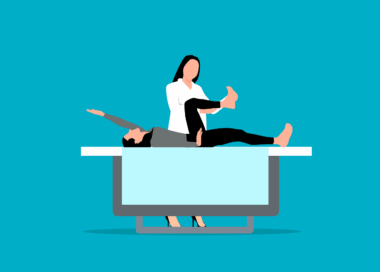
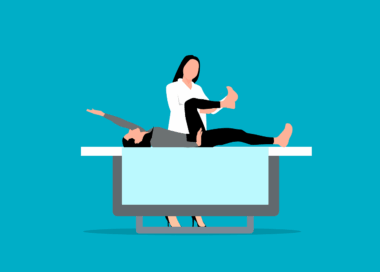
Integrating other complementary treatments alongside Pilates can further optimize lower back pain rehabilitation. Many individuals find that combining Pilates with physical therapy yields impressive results. Physical therapists can provide specific exercises to address individual weaknesses and assess progress. When integrated with Pilates, these therapies create a comprehensive rehabilitation program that tackles both stability and flexibility. Additionally, exploring alternative therapies such as acupuncture or massage can also provide relief and enhance the benefits of Pilates. Acupuncture helps alleviate pain by promoting blood flow; massage fosters relaxation and reduces muscular tension. Incorporating mindfulness practices such as yoga or meditation can complement Pilates, helping individuals cultivate mental resilience during their recovery journey. This holistic approach acknowledges that back pain often arises from both physical and emotional challenges. Implementing a well-rounded strategy that includes various modalities encourages comprehensive healing and empowers individuals to take an active role in their recovery. As each component contributes uniquely to rehabilitation, individuals can enjoy more favorable outcomes. The combination of Pilates with other supportive treatments creates an effective and enjoyable path towards improved back health.
Conclusion on Pilates for Lower Back Pain
Pilates stands out as an exceptional tool for those dealing with lower back pain rehabilitation. This exercise method emphasizes core strength, flexibility, and body awareness. With regular practice, individuals can offer themselves the benefits of enhanced posture, reduced pain, and improved mobility over time. It is essential to approach Pilates with mindfulness, focusing on body alignment and breathing. Working with qualified instructors can enhance safety, providing individuals with tailored exercises that address their unique needs. Consistent engagement with Pilates, along with incorporating complementary therapies, encourages individuals to tackle their pain through a holistic lens. Embrace Pilates as an essential part of your recovery toolkit. Progress may be gradual, but dedication and patience will lead to meaningful improvements. Remember that everyone’s journey is unique, and by selecting the right combination of exercises and treatments, it is possible to achieve long-lasting outcomes for lower back pain. Finally, establishing a supportive network of professionals, whether in person or online, reinforces commitment to the rehabilitation journey. Start nurturing your body with Pilates today, and regain control over your health and physical well-being.