
Overcoming Negative Self-Talk through Mindful Fitness Practices
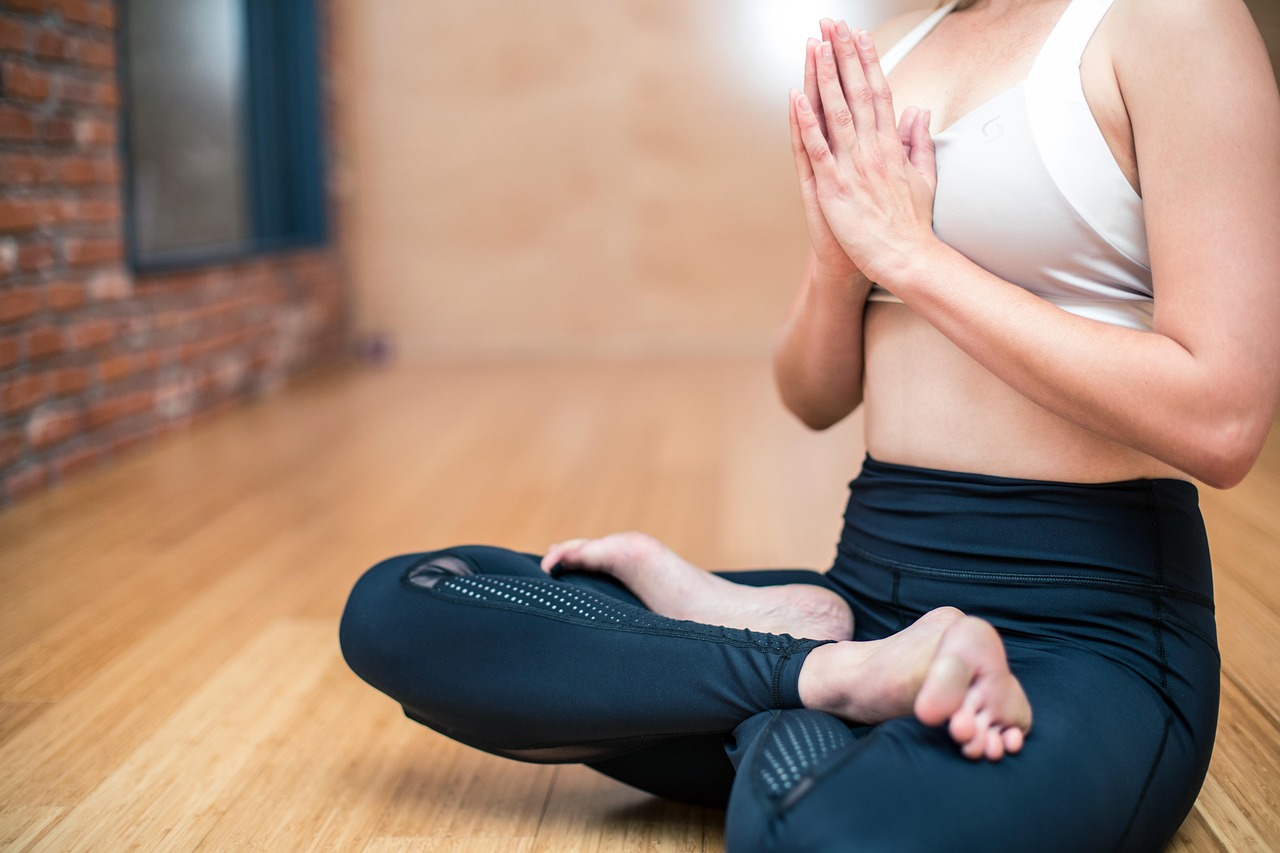
Many individuals experience negative self-talk, which can hinder their fitness journey. Practicing mindfulness in fitness is a transformative way to combat this negativity. Mindfulness encourages awareness, allowing individuals to recognize negative thoughts without judgment. As a first step, set an intention to observe your thoughts during workouts. This practice helps you differentiate between constructive feedback and harmful criticism. Engaging in mindful exercises such as yoga or tai chi can help channel thoughts positively. During these workouts, focus on breathing and connection with your body. This creates a supportive environment for positive self-reflection. Celebrate small victories, no matter how insignificant they may seem, as they build confidence. For instance, appreciating your ability to complete an exercise helps fuel self-acceptance. By incorporating affirming statements into your workouts, you can effectively counteract negative messages. Replace “I can’t do this” with “I am strong enough.” Positive language breeds positivity, creating a cycle that encourages motivation. Additionally, consider discussing challenges with a supportive community, as social interaction can alleviate feelings of isolation in fitness endeavors. Mindfulness helps shift focus from appearance to overall well-being, fostering a healthier mindset.
The Power of Positive Affirmations
Using positive affirmations can significantly influence one’s mindset during fitness activities. These declarations serve as reminders of personal strengths and capabilities. Start by identifying areas where self-doubt arises, then create specific affirmations to address those doubts. For example, if you struggle with endurance, use phrases like “I am building my strength every day.” Consistency is key; repeat affirmations regularly during workouts. Integrating them into your routine reinforces their effectiveness. Visualizing oneself achieving fitness goals alongside these affirmations magnifies their impact. This visualization technique can lead to improved performance and satisfaction. Furthermore, journaling about your fitness journey can enhance the practice of positive affirmations. Write down affirmations and reflect on how they resonate with your experiences. Additionally, share your affirmations with friends or a workout group for encouragement and accountability. This creates a supportive atmosphere that can help combat negative self-talk collectively. In times of struggle, recall these affirmations to remain focused on progress. Remember, practicing kindness towards oneself is essential for physical and mental well-being. Positive affirmations not only boost motivation but also cultivate resilience in facing fitness challenges.
Another essential aspect of mindful fitness is cultivating body positivity. Body positivity encourages individuals to appreciate their bodies regardless of societal standards. It promotes the idea that all bodies are worthy and deserving of respect. To foster body positivity, start by acknowledging how your body supports you daily. For example, celebrate your body’s ability to nourish you and move you. Practicing gratitude shifts your focus from flaws to appreciation. Engage in activities that make you feel confident, such as dancing or hiking. Additionally, surrounding yourself with positive imagery can reinforce body positivity. Follow body-positive influencers or engage in communities that celebrate diverse body shapes and sizes. This exposure can help alleviate the pressure to conform to narrow beauty norms. Engage in mindful reflection after workouts, noting how your body feels instead of focusing solely on appearance. This practice encourages acceptance and encourages joy in movement. Always remember that fitness is a journey, and every body progresses differently. Be patient and give yourself grace as you navigate this path. Emphasizing body positivity alongside mindful movements cultivates a healthier relationship with fitness.
Incorporating mindful breathing techniques into workouts also enhances focus and reduces stress. Breathing deeply during exercise promotes relaxation and awareness. Start with a simple breath exercise: inhale deeply through the nose for a count of four, hold for four counts, and exhale through the mouth for another four counts. Repeat this cycle several times before or during workouts. Focusing on breath anchors you in the present moment, preventing your mind from wandering to negative thoughts. Emphasize this technique during high-intensity workouts to manage stress levels effectively. When faced with fatigue, your breath becomes a powerful tool. Listen to your body and recognize when you may need to modify the exercise. Mindful breathing can drive energy and motivation, reinforcing a sense of accomplishment. It encourages a deeper connection with your body and its capabilities. Additionally, practicing gratitude while breathing can enhance this experience. As you inhale, think of something positive about your fitness journey. As you exhale, release any negative emotions tied to self-criticism. Make this mindful breathing a regular component of your fitness routine to establish a supportive mindset.
Setting realistic goals is another significant factor in overcoming negative self-talk. Goals should motivate and inspire rather than intimidate. Begin by assessing your current fitness level and determining achievable targets. Break larger goals into smaller, manageable milestones. For instance, if your goal is to run a 5K, start with a plan allowing gradual increase in distance. Celebrate each milestone achieved, as this builds confidence and fuels further progress. Document your journey to hold yourself accountable and track growth. Reflect periodically on your accomplishments to reinforce positive feelings towards your fitness journey. It’s essential to keep your goals positive and affirming. Instead of focusing on weight loss, aim for improved stamina or enhanced flexibility. This shift changes the narrative and emphasizes a holistic approach to fitness. Involve a friend or a coach for additional support and motivation. Sharing your goals can create accountability, further fueling progress. Do not hesitate to adjust goals based on your evolving journey, ensuring they reflect your growth. Stay committed to a growth mindset, recognizing that positive self-talk can transform challenges into learning experiences.
A supportive community plays a crucial role in fostering mindfulness and body positivity. Engaging with others who share similar fitness aspirations promotes accountability and motivation. Consider joining local classes, group fitness sessions, or online communities focused on mindful fitness practices. These environments provide a platform for sharing experiences and challenges. Connecting with like-minded individuals fosters a sense of belonging, essential for combating self-doubt. Sharing successes can inspire and uplift each other, reinforcing a positive self-image. Attend workshops or retreats centered around mindfulness and body positivity to deepen your understanding. Such gatherings can provide valuable tools for practicing mindfulness in everyday fitness. Additionally, consider mentoring others on their fitness journey. Sharing knowledge can enhance your self-esteem and create a supportive atmosphere for everyone involved. Initiate discussions about body positivity and the importance of mindset shifts in these communities. This dialogue can encourage others to reflect on their experiences. Reinforce the notion that everyone’s journey is unique and valid. Building a community centered on positivity encourages individuals to embrace their true selves and supports each other in their fitness endeavors.
Ultimately, practicing mindfulness in fitness is about embracing a compassionate approach towards oneself. It fosters an environment where negative self-talk struggles reduce significantly. Engaging in mindful practices, positive affirmations, body positivity, and community support creates a comprehensive approach empowering individuals. By remaining aware of negative thoughts and replacing them with affirmations, you build resilience over time. Developing body positivity nurtures self-acceptance, allowing personal growth in fitness. Furthermore, incorporating breathing techniques enhances connection with the body while alleviating stress. Set realistic, affirming fitness goals that celebrate achievements and encourage personal growth as well. Surrounding yourself with supportive communities reinforces this positive mindset, ensuring sustained motivation. All these practices contribute to a fulfilling fitness journey. Remember that each person’s experience with fitness is unique, and embracing this individuality fosters a healthier approach to well-being. Mindfulness is key in navigating challenges, transforming negative thoughts into pathways for growth. As you engage in mindful fitness practices, honor your journey and extend kindness to yourself. Ultimately, fitness is not merely about physical appearance but about wellness and the journey itself.