
Monitoring Progress in Posture Correction Functional Fitness Programs
Monitoring progress is crucial for effective posture correction exercises within functional fitness programs. Regular assessments help evaluate an individual’s alignment, strength, and flexibility improvements. These assessments can guide modifications to the program, enhancing results over time. Many practitioners recommend beginning with a clear baseline assessment, which serves as a reference point for future comparisons. Utilizing tools like posture screens or photography can visually depict changes in posture. Progress tracking should also include qualitative measures, such as how participants feel in daily activities. Another critical aspect is setting achievable milestones throughout the journey, whether weekly or monthly. These milestones should be specific and measurable, allowing individuals to have a sense of accomplishment as they reach each goal. Goal setting in conjunction with monitoring ensures that individuals remain engaged, feeling motivated to continue their efforts. Incorporating feedback mechanisms within the fitness program can also enhance motivation, ensuring individuals remain committed to their posture correction objectives. It’s vital to celebrate successes and adjustments along the way as individuals navigate their path to improved posture alignment.
The importance of flexibility in posture correction functional fitness programs cannot be overstated. Flexibility significantly influences one’s overall movement patterns, affecting posture and alignment. Assessing flexibility can be performed through various techniques, including standard flexibility tests that check ranges of motion. Participants should consistently measure flexibility alongside strength and endurance metrics to provide a well-rounded understanding of progress. Addressing flexibility challenges is essential for optimal posture correction, as tight muscles often lead to misalignment. Incorporating stretching and mobility exercises becomes instrumental in improving these critical areas. Regularly updating flexibility assessments allows trainers to modify exercise programs accordingly. Special attention should be paid to areas prone to tightness, such as the hip flexors and chest. By integrating corrective movements aimed at enhancing flexibility, practitioners can create tailored and effective plans. Moreover, flexibility workouts should be engaging and varied to maintain participants’ interest. Eventually, participants will develop a more functional range of motion, fostering better posture and reducing discomfort in daily activities. By tracking these improvements, individuals gain insights into how flexibility enhances overall fitness, ultimately supporting their posture correction journey.
Utilizing Technology for Progress Tracking
In today’s digital age, technology has become a pivotal tool in tracking progress for posture correction functional fitness programs. Wearable devices, like fitness trackers, can monitor various metrics such as heart rate and calorie burn, indirectly reflecting exercise intensity. More specialized equipment also exists, like posture analysis apps, which can provide real-time feedback on an individual’s alignment. These technologies offer an engaging platform for users to visualize their progress, making it easier to stay motivated. Additionally, many applications allow users to set reminders to perform specific posture-correcting exercises. The data accumulated over time can help in identifying patterns, thereby helping trainers tailor their programs effectively. Another useful feature is the integration of communities within apps, where participants can share their journeys and encourage each other. This social element promotes motivation and accountability, fostering a supportive environment. Moreover, technology aids in scheduling workouts efficiently, ensuring that all aspects of posture correction are covered without overloading participants. Embracing these innovative solutions could significantly enhance the overall effectiveness of functional fitness programs focused on posture correction.
Regular feedback is essential to the success of any posture correction functional fitness program. Feedback from trainers or physical therapists offers valuable insights into the improvements participants are making and areas needing further work. Personal testimonials are also encouraging for individuals to see how others have succeeded in their journeys. It is helpful to conduct periodic review sessions to discuss progress and adjustments to the program. These review sessions can incorporate various assessments, allowing individuals to express challenges they face. Open communication fosters a positive environment for growth, motivating participants to voice concerns. Taking time to reinforce positive changes keeps participants engaged and collaborating toward their goals. Using visual aids during feedback, such as progress photos or videos, can illustrate significant changes in posture. Another strategy is to encourage self-assessment tools, where individuals reflect on subjective improvements while engaging in physical activities. All feedback mechanisms should be constructive and focused on building confidence. This regular monitoring and constructive criticism can lead to significant breakthroughs in achieving desired posture goals, reinforcing the connection between effort and results.
Incorporating Functional Exercises
Incorporating functional exercises into posture correction programs is paramount. These exercises engage multiple muscle groups in movements mimicking everyday activities, promoting overall strength and stability. They not only address postural weaknesses directly but also bolster the body’s ability to perform daily tasks efficiently. Examples of functional exercises include squats, lunges, and deadlifts, which train the body in a comprehensive manner. Such exercises build the core strength essential for stabilizing the pelvis and spine, which are often necessary for improved posture. Assessing performance in these exercises can serve as a practical approach to monitor progress. Trainers should observe participants’ form closely, providing guidance on proper technique to avoid injuries. Furthermore, modifications should be available for all fitness levels, ensuring inclusivity within the program. Regularly adapting these functional exercises helps participants remain challenged and engaged throughout their journey. Integrating elements of variety also prevents routine fatigue, keeping things interesting. By fostering a connection between functional exercise performance and posture improvement, participants can better understand the value of their efforts, motivating them to persist in the program.
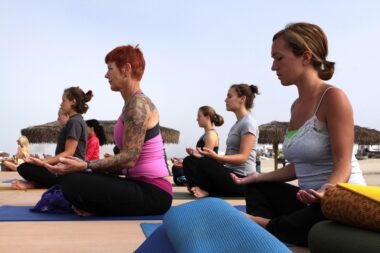
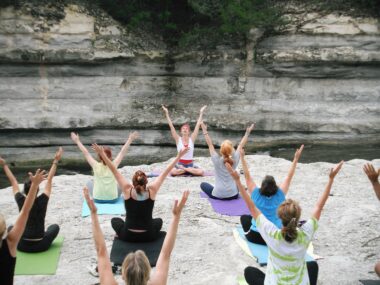
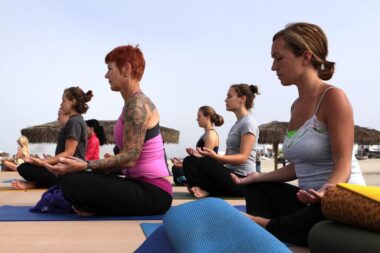
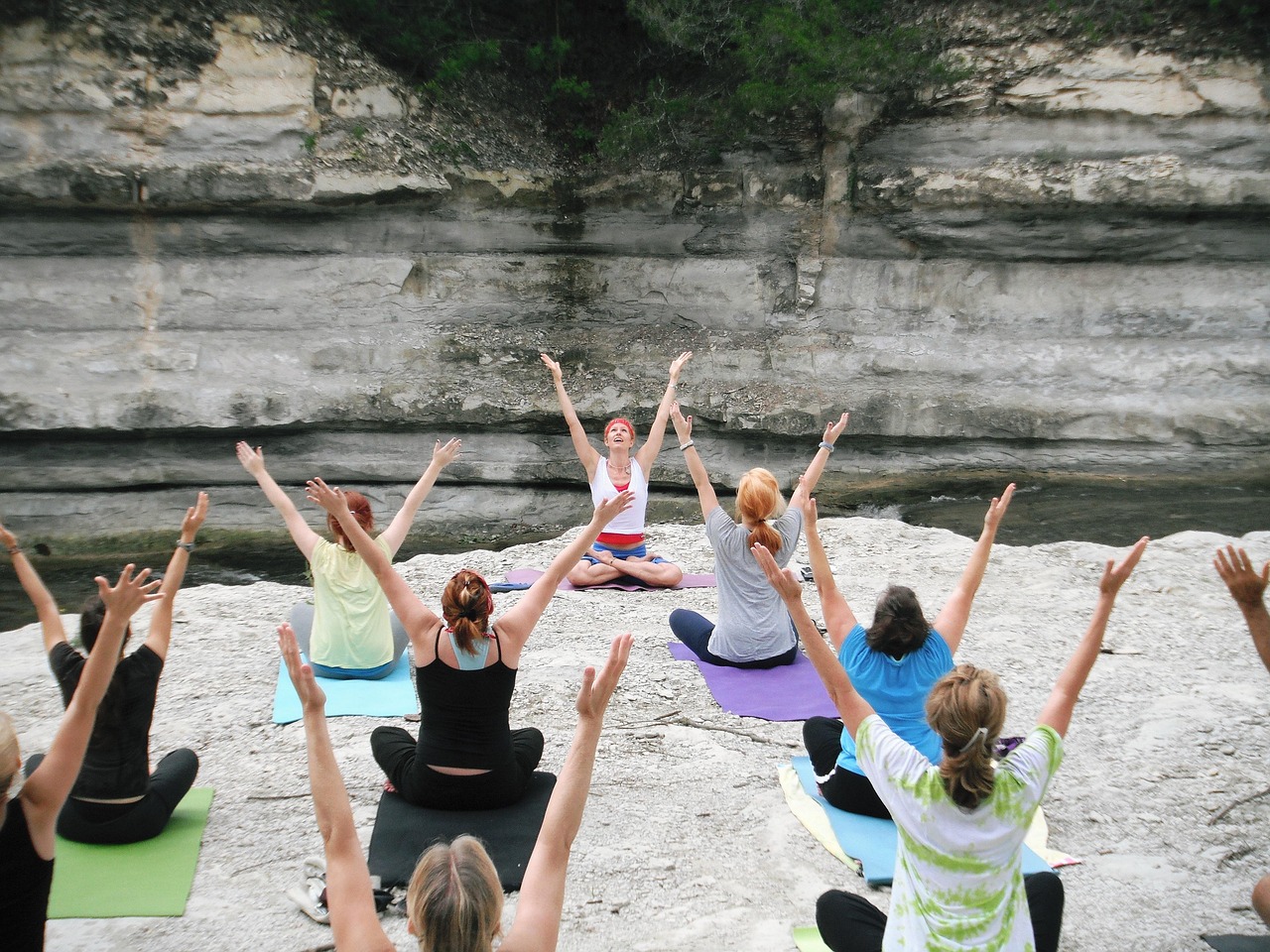
Practicing mindfulness and body awareness techniques can significantly enhance posture correction functional fitness programs. These techniques promote a deeper connection between the mind and body, improving posture through conscious awareness. Mindfulness encourages individuals to recognize when they are slumping or misaligned, fostering proactive adjustments. Body awareness exercises, such as yoga or tai chi, provide valuable insights into personal posture tendencies. Regular practice can help individuals build the muscle memory necessary for maintaining proper posture throughout daily activities. Incorporating mindfulness sessions adds an innovative dimension to the program, allowing participants to reflect on their physical and emotional states. By nurturing self-awareness, individuals become more invested in their well-being and posture correction journey. Regularly scheduled workshops or group discussions on mindfulness can further support this initiative. Participants can share experiences and strategies for staying mindful in their movements. Additionally, utilizing guided meditation or breathing techniques can reduce stress, which is often a factor contributing to poor posture. Cultivating a culture of mindfulness encourages commitment to posture correction programs, ultimately fostering long-term success and improved health.
Celebrating Milestones
Celebrating milestones is an integral part of monitoring progress in posture correction functional fitness programs. Recognizing achievements, no matter how small, can significantly boost motivation and commitment. Milestones should be clearly defined and communicated from the outset, including alignment improvements and performance in specific exercises. Participants could celebrate reaching new personal bests in flexibility or completing physical tasks that were previously challenging. Individual progress tracking sheets can also be a fun way to visualize accomplishments, showing how far they’ve come on their journey. Hosting group events, like small competitions or community engagement activities, can also serve as a catalyst for celebration. Sharing individual stories and successes during these events can inspire others, building a supportive community focused on improvement. This practice helps reinforce the connection between effort and results, demonstrating that dedication leads to tangible changes. When individuals see their progress recognized, it fosters a positive mindset, encouraging them to continue working towards improved posture. Thus, incorporating consistent celebrations into the program motivates participants and strengthens their desire to achieve greater milestones in their fitness journeys.
In conclusion, monitoring progress in posture correction functional fitness programs is essential for effective and meaningful improvement. A comprehensive approach includes regular assessments of flexibility, strength, and overall alignment, ensuring participants remain engaged and informed. Utilizing technology allows for real-time progress tracking, while fostering a culture of feedback enhances accountability. Incorporating functional exercises engages multiple muscle groups, enhancing overall body functionality, which supports improved posture. By practicing mindfulness techniques, participants build awareness that contributes to better alignment and performance. Setting and celebrating milestones reinforces the positive aspects of the journey, reminding individuals of their growth and encouraging further commitment to their goals. With these elements in place, participants can enjoy a journey of self-discovery, improvement, and health. This holistic approach not only aids in correct posture but also cultivates a stronger connection between mind and body. The essence of functional fitness is the ability to perform daily tasks effectively, and posture correction plays a significant role. Ultimately, the continuous monitoring of progress ensures that functional fitness remains an empowering experience, promoting long-term wellness and improved quality of life.