
Integrating Heart Rate Monitors with Fitness Apps for Optimal Results
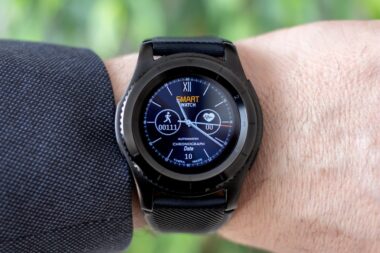
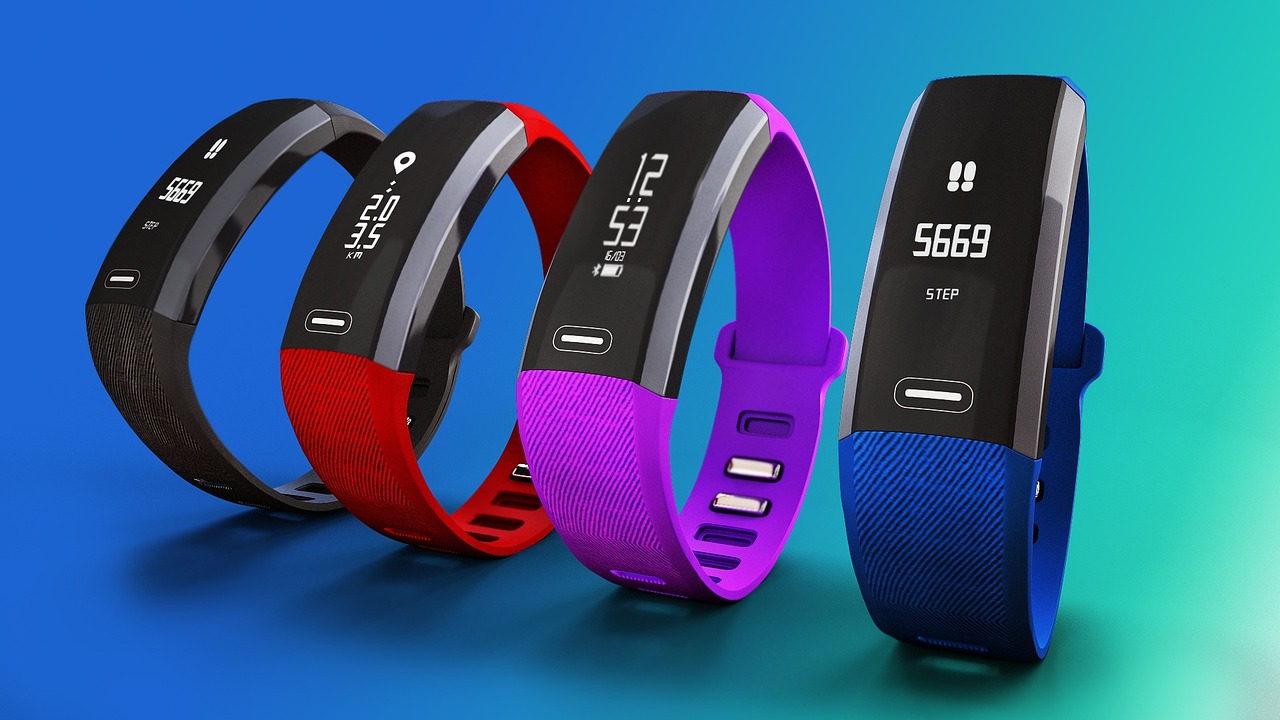
In the modern world of fitness, technology plays a pivotal role. Heart rate monitors have gained immense popularity, allowing individuals to track their heart rate during various workouts. A heart rate monitor not only helps in measuring exertion but also aids in understanding one’s fitness level over time. With the advent of smartphone applications, integrating these monitors has never been easier. Fitness apps paired with heart rate monitors provide real-time data, enhancing overall workout effectiveness. They offer insights on how hard one is training, optimizing fat burning and cardiovascular fitness. Popular brands, like Polar and Garmin, offer their own apps that complement their devices. Other fitness platforms, such as Strava and MyFitnessPal, incorporate heart rate monitoring seamlessly, allowing users to analyze performance trends. Overall, the goal of these technologies is to aid individuals in achieving their fitness objectives, making workouts both efficient and enjoyable. As technology continues to advance, new features such as coaching tips and community support will further motivate users, enhancing their fitness journey. Investing in such tech can lead to longevity in fitness practices and better health outcomes.
Benefits of Using Heart Rate Monitors
Heart rate monitors offer significant advantages for fitness enthusiasts, promoting effective training methodologies. One of the primary benefits is the ability to stay within specific heart rate zones. Training in different zones can maximize fat loss, improve endurance, or enhance performance. Understanding these zones helps individuals tailor their workouts based on specific fitness goals, thus enhancing training efficacy. Additionally, heart rate monitors provide an objective measure of exercise intensity, helping users avoid overtraining or undertraining. They encourage individuals to push beyond their comfort zones safely, leading to improved performance over time. Continuous heart rate tracking allows for better recovery transitions between workouts, giving the body adequate time to adapt. Furthermore, many heart rate monitors track sleep, stress levels, and recovery, offering a comprehensive view of one’s health. This added layer of data empowers users to adjust their training and lifestyle choices for optimal results. Regular usage encourages consistency and dedication in achieving fitness goals, as users can chart their progress effectively through data analysis. As we understand the importance of heart health, these gadgets serve as essential tools for health-conscious individuals.
Integrating heart rate monitors with fitness apps presents an opportunity for enhanced user experience and engagement. Connecting devices to popular fitness apps provides real-time feedback during workouts, which can motivate users. This instant data helps individuals remain focused and aware of their performance at every moment. Features like challenges, leaderboards, and social sharing add a competitive edge to personal fitness journeys, fostering community support. Users can collaborate, compete, and share achievements, inspiring each other to stay committed to their goals. Furthermore, syncing data enables comprehensive health tracking over time, illustrating patterns in fitness performance and daily routines. By examining this information, users can determine their strengths and areas of improvement, leading to targeted workout strategies. Additionally, fitness apps often offer custom workout plans that adapt based on tracked data from heart rate monitors. Such personalization can lead to better adherence to exercise programs. As technology evolves, enhancing collaborations between heart rate monitors and apps will likely enhance individual experiences and foster healthier lifestyles. The convenience of accessing all this information can fundamentally change how users approach their fitness routines.
Customization features in fitness apps are crucial for aligning with individual fitness goals. When heart rate monitors are connected to these applications, users can customize notifications based on their heart rates. For instance, receiving alerts when reaching a target zone can stimulate users to push harder or ease off, ensuring they remain within desired limits. This personalization aids in retaining motivation and prevents burnout. Users can tailor settings to receive reminders, track nutrition alongside workout intensity, and monitor hydration levels. Additionally, advanced analytics and visualizations help individuals interpret complex data effortlessly. By noting workouts correlated with heart rates, users can identify which regimens yield the best results. Such insights help optimize future workouts for efficiency, promoting continual improvement. Many apps include goal-setting features that can further enrich user experiences. Setting attainable objectives linked to heart rate data creates a sense of accountability and accomplishment. Regular adjustments based on performance ensure sustained engagement and progress. Moreover, community sharing fosters a supportive environment, where users discuss tips and insights, enhancing their fitness journeys together.
Challenges of Heart Rate Monitor Integration
Despite the benefits, several challenges pose issues with heart rate monitor integration in fitness apps. One major concern is compatibility; not all devices sync effectively with every fitness application, leading to fragmented user experiences. Various heart monitor manufacturers may utilize different protocols, complicating universal integration. This can hinder users seeking seamless connectivity across multiple platforms. Furthermore, users might encounter data accuracy concerns, especially when devices are not worn correctly or are incompatible. Variations in data reporting can lead to misleading metrics, affecting motivation and focus for users tracking progress. Battery life also becomes a concern, as constant use of heart rate monitors can drain power quickly. Consequently, individuals might lose access to vital information at critical moments. Additionally, technological glitches in apps may disrupt real-time tracking during workouts. These disruptions can discourage users and decrease their trust in monitoring solutions. Overcoming these challenges requires collaboration among manufacturers and software developers to create standardized systems that maximize user benefits. Stronger customer support and comprehensive user guides are essential to assist individuals in overcoming these obstacles, creating a better overall experience.
Maintaining data security and privacy is another critical consideration in heart rate monitor integration with fitness applications. With the rise in digital health technologies, protecting users’ personal data is paramount. Fitness apps collect sensitive information such as heart rate, exercise patterns, and personal details, which must be guarded against potential breaches. Users should be informed about data collection practices, with transparency on how their information is utilized. Strong encryption methods and privacy policies don’t only protect users but also build trust between developers and users. Furthermore, fitness brands must comply with regulations such as GDPR to ensure user rights are respected. As fitness tech advances, understanding and addressing data security concerns will become increasingly vital. Users today are more conscious about their personal data than ever before, and technology providers must meet these expectations confidently. Leveraging advanced technologies to fortify security measures can help alleviate concerns while promoting engagement. As individuals increasingly depend on technology for their fitness, fostering safe environments will enhance user motivation and accountability.
The Future of Fitness Tech Integration
The integration of heart rate monitors with fitness applications undoubtedly reflects the evolving landscape of fitness technology. Future developments will likely focus on enhancing data accuracy, making connectivity seamless among devices. Innovations may introduce more sophisticated algorithms capable of providing personalized coaching tips, aligning with users’ specific fitness requirements. The growth of artificial intelligence will further enhance the user experience, as customized workout plans based on previous data could emerge. Interactive features such as virtual personal trainers utilizing real-time heart rate data may become commonplace. This shift will likely lead to increased user engagement, pushing individuals towards their fitness aspirations. As wearable tech evolves, we can also expect improved battery life and more comfortable designs, enabling users to wear devices effortlessly for longer durations. Integration with social media platforms will also create avenues for sharing accomplishments and fostering communities that support fitness journeys. As we embrace this future, ongoing research will ensure that heart rate monitors become even more integral in the fitness landscape, promoting overall health and well-being. Continuous engagement combined with motivation will empower individuals to maintain healthier lifestyles.
In conclusion, the synergy between heart rate monitors and fitness applications offers a sustainable model for modern fitness. As technology continues to evolve, users must be proactive in understanding how these tools benefit their specific needs. The combination of real-time data, personalized plans, and community support encourages commitment to fitness goals. Individuals equipped with heart rate monitors gain insights into their health, enhancing their overall well-being. However, challenges such as data privacy and compatibility must be addressed to maintain user trust. As users navigate this changing landscape, their experiences will shape future innovations. Developers must prioritize user-friendly interfaces and strong data protection to foster long-term engagement. Heart rate monitors combined with fitness apps promise not only improved performance but also holistic approaches to personal health. Achieving optimal results requires a willing commitment from users, along with the right tools to guide them effectively. As the fitness industry progresses, integrating such technology will redefine fitness journeys, making them more rewarding and effective than ever. Ultimately, technological advancements in this space will empower everyone to reach their health and fitness goals more comfortably.