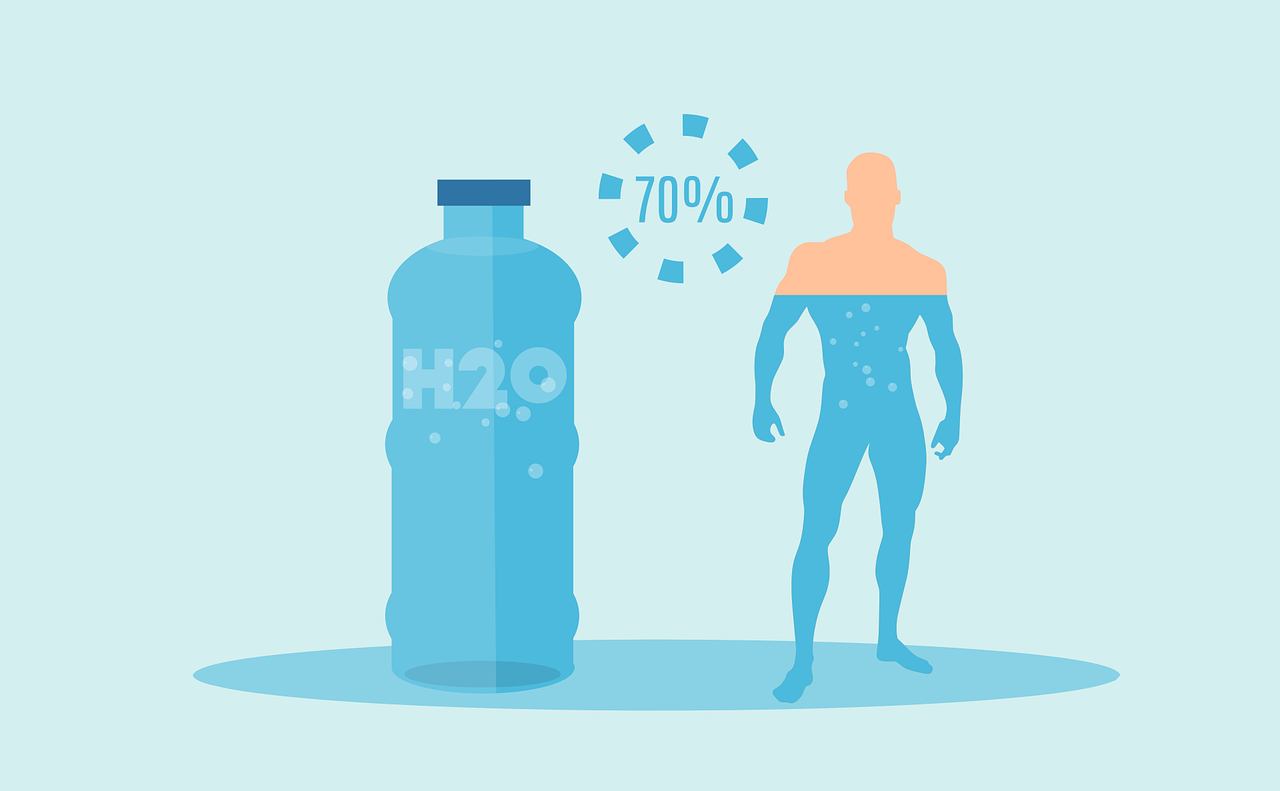

Hydration and Its Relationship to Macronutrient Use and Weight Stability
Maintaining an optimal weight requires a balanced approach that includes both macronutrient intake and hydration. Hydration plays a critical role in the effective use of macronutrients such as proteins, carbohydrates, and fats. Water is vital for digestion, absorption, and transportation of nutrients, which in turn influences metabolism and energy levels. When the body is adequately hydrated, it can utilize macronutrients more efficiently, ultimately assisting in maintaining a healthy weight. Proper hydration can prevent overeating, as thirst is often mistaken for hunger. In addition, adequate fluid intake helps improve workout performance, enabling individuals to burn more calories during exercise. Furthermore, drinking enough water can enhance satiety signals, leading to better management of food portions. It is important to understand that dehydration negatively impacts body functions. Signs of dehydration include fatigue, headaches, and decreased physical performance. Therefore, staying hydrated can help in stabilizing weight by optimizing macronutrient usage and supporting metabolic functions. Incorporating beverages such as water, herbal teas, and low-calorie drinks into your daily routine can greatly enhance hydration levels. Remember, always have your water bottle handy throughout the day to promote hydration effectively.
Water impacts the absorption and efficacy of various macronutrients essential for a balanced diet. When the body is well-hydrated, it improves the uptake of nutrients in the gastrointestinal tract, enabling optimal digestion. For instance, protein requires water for proper digestion; insufficient water intake can lead to protein breakdown inefficiencies. This is crucial, as protein is necessary for muscle repair and growth, especially during weight maintenance. Likewise, carbohydrates are stored as glycogen in muscles and liver, necessitating water for effective storage and utilization during physical activities. Without adequate hydration, glycogen stores may diminish, leading to decreased energy levels during workouts. For fats, proper digestion and absorption also rely on hydration. Water assists in the emulsification of fats, aiding in absorption through intestinal walls. Hence, a balanced intake of macronutrients coupled with timely hydration can help stabilize body weight. Hydration can also regulate appetite-related hormones, such as ghrelin and leptin, which play significant roles in hunger and satiety. Keeping your body hydrated ensures effective hormonal signaling for appetite regulation. Hydration techniques, such as drinking water before meals, can further enhance this process.
In understanding the relationship between hydration and weight stability, it’s essential to consider the thermogenic effects of water. Drinking cold water can slightly increase metabolic rates, an effect known as water-induced thermogenesis. This phenomenon indicates that consuming water can lead to higher energy expenditure, thus supporting weight maintenance. Additionally, sufficient water intake aids in the prevention of calorie-dense beverage consumption that contributes to weight gain. Many reaching for sodas or sugary drinks may not realize that a simple glass of water can alleviate thirst while keeping calorie count low. By integrating hydration into daily routines, individuals can better manage caloric intake without sacrificing satisfaction. Furthermore, keeping a hydration schedule throughout the day can help curb unnecessary snacking. Individuals should aim for consistent hydration before, during, and after meals and workouts. By establishing regular hydration habits, individuals can optimize nutrient absorption from foods while protecting against dehydration. Regular hydration also has emotional and cognitive benefits, such as increased focus and motivation to stick with a balanced diet. A well-hydrated body can better handle the rigors of weight maintenance, leading to a sustained commitment to healthy lifestyle practices.
The Role of Electrolytes in Hydration and Macronutrient Balance
Electrolytes, such as sodium, potassium, and magnesium, are minerals that significantly influence hydration status. They help maintain electrolyte balance in the body, which is crucial for proper hydration levels. When the body’s electrolyte levels are unbalanced, it can lead to dehydration. In terms of macronutrient balance, electrolytes play a role in energy production and transportation of nutrients within cells. Electrolytes assist in the transmission of nerve impulses, contributing to muscle contraction and metabolic processes. Therefore, a balanced intake of water along with electrolytes is vital to support physical activities effectively. During intense workouts, electrolyte depletion occurs through sweat and can impact overall performance. This emphasizes the importance of rehydrating with electrolyte-rich drinks, especially after strenuous physical activities. Furthermore, certain foods can enhance electrolyte levels; including bananas, oranges, and spinach can aid in optimal hydration. Hydration coupled with proper electrolyte balance strengthens the body’s ability to metabolize macronutrients efficiently. Incorporating foods and beverages rich in electrolytes helps ensure they are replenished properly. Regular monitoring of hydration and electrolyte levels can contribute to sustainable weight maintenance.
Moreover, assessing your hydration status regularly is vital for those aiming for long-term weight stability. One simple way to monitor hydration is through urine color. Clear or light-colored urine indicates proper hydration, while dark urine could signify dehydration. Keeping track of hydration can help in recognizing the need for increased water intake, especially during warmer months or after physical activities. Investing in a reusable water bottle can serve as a visual reminder to drink more water throughout the day. The introduction of hydration apps can also enhance awareness and accountability. Many applications can track water intake, ensuring that hydration goals are met. Educating oneself about hydration and its significance in macronutrient absorption promotes healthier lifestyle choices. Furthermore, individuals can benefit from consuming water-rich foods, such as cucumbers and watermelon, to meet hydration needs. Monitoring hydration not only supports macronutrient balance but stimulates healthy eating patterns. Healthy hydration habits can protect against the cycles of weight gain and loss that often complicate weight stability. Always stay aware of your body’s hydration signals, which are key to ensuring macronutrient balance and achieving your weight goals.
Conclusion
In conclusion, hydration plays a pivotal role in achieving and maintaining weight stability when combined with a balanced intake of macronutrients. Understanding the interplay between water, electrolytes, and macronutrient utilization is vital for those striving for optimum health. Individuals can ensure that all their body systems function properly through adequate hydration. Drinking sufficient water allows the efficient processing of proteins, carbohydrates, and fats, reinforcing their significance during weight management. Additionally, consistent hydration supplements physical performance, preventing dehydration during workouts or daily activities. It is advisable to develop personalized hydration strategies tailored to individual needs and lifestyles. Every person has unique requirements for water intake based on activity levels, climate, and overall health. Prioritize drinking throughout the day while incorporating appealing hydration options such as flavored water, herbal teas, or infused beverages. This strategy can help maintain hydration without leading to excess calorie consumption. Individuals must become mindful of hydration as it strongly influences not only weight but overall well-being. Therefore, implementing proper hydration practices can promote healthier lifestyle choices that support weight stability in the long run.
Ultimately, the relationship between hydration, macronutrient balance, and weight stability is intricate yet essential in supporting a healthy body. Paying attention to hydration not only enhances physical performance but also promotes better food choices and appetite management. Individuals can avoid misinterpreting thirst for hunger by adhering to hydration practices. Recognizing the role of water in nutrient absorption and metabolic efficiency allows for smarter dietary choices. Moreover, staying hydrated helps individuals resist cravings for unhealthy snacks, paving the way for a more balanced diet. As you implement these hydration strategies, keep in mind that through diligent efforts, one can cultivate lasting habits that promote well-being. As a reminder, it’s important to focus on a diverse diet that includes an array of macronutrients, complemented with appropriate hydration strategies. This combination will ensure optimal body functionality while working towards achieving weight stability. Aim to engage with your body, learning cues for when to hydrate and when to eat. Keeping a carefully monitored approach allows for more mindful, healthier living. Consequently, by placing emphasis on hydration, individuals can position themselves optimally to attain their health and weight management goals.
Overall, healthy hydration practices, combined with balanced macronutrient intake, lead to more sustainable weight management. Understanding the multifaceted nature of hydration and its integration with macronutrients promotes effective health outcomes. In a world where convenient yet unhealthy food choices prevail, making conscious decisions regarding hydration can influence long-term success. Long-term weight maintenance must include hydration awareness as an essential component of a healthy lifestyle. Reassessing and refining hydration goals periodically, based on changes in activity levels or environmental factors, ensures that individuals can respond adequately to their bodies’ needs. Creating a routine encapsulating hydration throughout the day fosters healthy relationships with food and drink. Over time, individuals can learn to appreciate the warm feel of hydration and how it connects to macronutrient balance. This interconnected knowledge emphasizes water’s importance in supporting weight stability and holistic well-being, ensuring that adequate attention is paid to hydration practices. Those aspiring to regain control over their weight should prioritize setting hydration goals as part of their overall health plan. Following these guidelines will ultimately lead to optimal health outcomes and sustained successful weight management. Incorporating hydration thoughtfully will promote a path toward health that transcends simple eating habits.