
How to Manage Salt Intake Without Falling for Common Myths
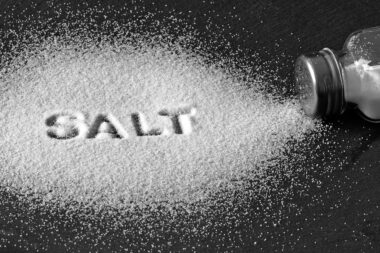
Salt is often thought of as an enemy in our diets, but its role is far more complex. Myths about salt create unnecessary fear and confusion among consumers. While it’s true that excessive salt can lead to health issues, moderate intake is important for bodily functions. Sodium helps maintain fluid balance and is essential for nerve and muscle function. By distinguishing between salt myths and facts, individuals can make more informed dietary choices. Understanding daily sodium needs can prevent the pitfalls of these myths from affecting overall health. For example, most people do not need to drastically reduce salt intake unless advised by a healthcare provider. The key is to enjoy salt in moderation and to be aware of hidden sodium in processed foods. Examination of labels can help manage sodium levels effectively. Let’s break down these misconceptions to find a healthier relationship with sodium. Effective strategies exist to manage your salt intake while enjoying a flavorful diet that does not compromise health or taste.
Myth 1: All Salt is Bad
A common misconception is that all salt is bad for health, which oversimplifies its importance. Salt, or sodium chloride, is vital for our bodies. It regulates fluid balance and aids in nerve transmission. Instead of eliminating salt, emphasis should be on consuming the right amounts. Not all salts are created equally; for instance, Himalayan pink salt contains additional minerals. Different salts have various flavors, making meals more enjoyable. Instead of avoiding salt, consider incorporating healthier types sparingly, while also appreciating natural flavors of fresh ingredients such as fruits and vegetables. The realistic approach to salt intake revolves around moderation rather than deprivation. As public health initiatives often focus on salt reduction, relying on flavor-enhancing herbs and spices as alternatives should also be considered. There’s a healthy balance of enjoying salt without going overboard. Ultimately, individuals should strive for a balanced perspective and not view salt through an exclusive negative lens. Adequate education on sodium’s function can help people understand its necessity within a balanced diet.
Another prevalent myth is that eating no salt improves heart health, but research often contradicts this. Studies have shown that sodium is critical for cardiovascular function. When sodium intake falls drastically, the body may try to compensate, potentially leading to adverse effects. Heart health significantly depends on overall diet quality and lifestyle. Importance should be placed on understanding sodium’s role within the whole diet. Individuals can embrace heart-healthy diets that incorporate reasonable salt intake. Emphasis should instead lie on reducing processed foods that contain hidden salts. Focus on fresh, whole foods naturally enhances health while regulating sodium intake. Moderation is essential; overly restrictive salt diets might lead to nutrient deficiencies. Other dietary factors such as saturated fats, sugars, and lack of physical activity also affect heart health. Total wellness concerns balance, not extremes. Creating a healthy heart relies on a combination of factors, including what you eat, exercise, and lifestyle habits. Salt intake might be one piece of a larger puzzle rather than the pivotal focus. Be mindful of this broader dietary perspective to achieve enhanced heart health.
Myth 2: Sea Salt Is Healthier Than Table Salt
Many people believe that sea salt is a healthier option compared to table salt. While sea salt is less processed and contains trace minerals, it does not significantly differ in sodium content. Both types of salt can raise blood pressure and contribute to health issues if consumed in excess. The flavor profile might differ, but the health impacts are largely the same. Individuals should focus more on the quantity of salt they use rather than the type. Moderating daily sodium intake is the crucial factor, regardless of the salt’s form. A varied diet with a range of flavors and healthy choices ultimately trumps deciding on salt types. Quality over quantity should play a role in dietary choices. This myth can lead consumers to believe they can consume sea salt in large amounts without consequence. All salts, irrespective of types, should be applied in moderation. Special attention needs to be paid to overall sodium intake alongside a well-rounded diet. Cooking practices, including using low-sodium seasonings, can help balance sodium levels effectively.
Myth 3 regarding salt suggests that people should fear salt because it causes water retention. While sodium does play a role in fluid retention, the body’s processes are much more complex. Dehydration can prompt the body to hold onto salt, impacting fluid balance. Instead of eliminating salt entirely, it’s crucial to maintain hydration and consume a balanced diet. Natural foods that are rich in potassium, such as bananas and sweet potatoes, can help counteract sodium’s effects. Balance is pivotal as severe restriction can lead to dehydration and associated complications. Emphasis should be on maintaining healthy hydration levels while incorporating salt within overall dietary needs. Every body is different and responds uniquely to sodium. Factors such as genetics, hydration, and overall diet shape one’s salt sensitivity. Individualized approaches to salt consumption can promote better health outcomes. Identifying personal needs can foster awareness around sodium intake within dietary guidelines. Evaluating how foods impact individual reactions to salt can empower healthier choices long-term. It becomes essential to approach salt with understanding rather than avoidance.
Myth 4: You Shouldn’t Use Salt During Cooking
Finally, many believe that removing salt during cooking is healthier. However, proper use enhances food flavors and enjoyment. Using a small amount of salt while cooking helps foster flavors without excessive intake. The real concern lies with how much salt is added at the table or through processed foods. Culinary traditions often incorporate salt to enhance the taste and culinary experience. Ignoring this might lead to dissatisfaction with meals. Healthy cooking can include assertive flavors through herbs and spices that still allow for moderate salt use. Using salt during cooking legitimately supports the palatability of meals. Infusing flavors encourages balanced eating habits. Individuals can relish the taste of healthy dishes while managing sodium levels effectively. Balance is essential, focusing on crafting nutritious and flavorful meals instead of eliminating salt altogether. Working alongside other healthy culinary techniques promotes an enriched dining experience. Self-awareness about salt choices is crucial for flavor profiles and overall health. Striking the right equilibrium fosters enjoyment, health, and a positive relationship with food.
In conclusion, managing salt intake and debunking myths can enhance overall health. Understanding that sodium is essential for bodily functions allows for better choices based on facts rather than fears. Promoting moderation empowers individuals to navigate dietary choices confidently. There’s no one-size-fits-all approach; individualized needs vary widely. Practicing mindful eating encourages a balanced perspective toward sodium consumption. Incorporate fresh foods and limit highly processed foods can aid overall health. Emphasizing knowledge about salt will allow for better-informed decisions regarding diet and nutrition. Breaking free from myths opens doors to embracing a more balanced lifestyle. Learning to appreciate the role of salt contributes to an enriched palate and broader culinary horizons. Informed choices mean finding healthy ways to manage sodium intake effectively. It’s beneficial to consult a healthcare provider for personalized guidance. By fostering understanding, individuals can shift perspectives and avoid falling for myths surrounding salt consumption. Improved health outcomes begin with debunking misconceptions and adopting a balanced approach toward salt.
Ultimately, separating fact from fiction regarding salt intake allows for sustainable and healthy living.