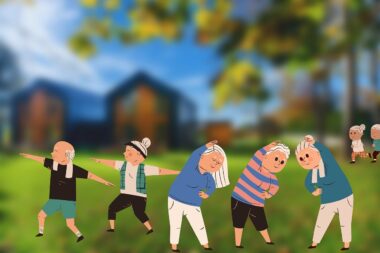

How Senior Fitness Can Improve Heart Health
As we age, maintaining heart health becomes increasingly vital. Engaging regularly in fitness activities specifically designed for seniors can significantly improve cardiovascular health. According to numerous studies, consistent physical activity assists in managing weight, lowering blood pressure, and improving circulation. Not only do seniors benefit from aerobic activities like walking and swimming, but strength training can also enhance muscle tone and increase stamina. Even light exercises can yield positive outcomes, making it feasible for those with mobility challenges. Integrating fitness into daily routines not only strengthens the heart but also boosts overall well-being. Incorporating flexibility activities such as stretching can improve balance and reduce fall risks. This multifaceted approach ensures a more comprehensive fitness strategy that benefits heart health. From attending group classes designed for seniors to working out at home, there are varied options available. Socializing during these activities can motivate seniors to stay committed to their routines and offer emotional support, which is as essential as physical fitness. Ultimately, dedicating time to structured fitness activities promotes a lifetime of heart health and improved quality of life.
In addition to traditional exercise, certain lifestyle choices significantly impact heart health. These decisions are essential for seniors looking to preserve their well-being. Prioritizing a heart-smart diet that is rich in fruits, vegetables, whole grains, and lean proteins, particularly fish rich in omega-3 fatty acids, can optimize heart function. Staying hydrated is crucial as well; water plays a pivotal role in maintaining optimal blood circulation. Additionally, moderating salt intake is vital to manage blood pressure effectively and reduce fluid retention. Another beneficial lifestyle change involves quitting smoking and limiting alcohol consumption; these adjustments can lead to remarkable improvements in cardiovascular health. Regular medical check-ups to monitor heart health indicators, such as cholesterol levels and blood pressure, are also crucial. Engaging family members in a healthy lifestyle can create a supportive environment encouraging healthier choices collectively. This partnership enables seniors to establish programs that encourage exercise and healthy eating together. Encouraging participation in community events dedicated to heart health further prompts awareness. Collectively, these strategies align to enhance heart health for seniors, significantly boosting their longevity and quality of life.
The Importance of Aerobic Exercise
Aerobic exercise is exceptionally important for seniors focused on heart health. Engaging in activities that elevate heart rate for extended durations enhances blood circulation throughout the body. This type of exercise can include walking, jogging, cycling, and swimming. Seniors should aim for a minimum of 150 minutes of moderate-intensity aerobic activity weekly to reap significant cardiovascular benefits. Regular aerobic exercise reduces the risk of heart disease by controlling weight, lowering blood pressure, and improving cholesterol levels. As an added advantage, aerobic activities can also enhance mood through the release of endorphins, offering mental health benefits. Many seniors find enjoyment in group classes or community activities, which also provide social interaction. Participating in fun activities makes it feel less like work and motivates continued participation. Additionally, engaging in aerobic exercise challenges and strengthens the heart muscle, contributing to overall resilience. It is essential to start gradually and listen to one’s body, particularly if it has been a while since regular activity. Incorporating flexibility training along with aerobic routines ensures a balanced fitness program that can prevent injuries. Over time, those who stick with it will likely find improved stamina and better heart function.
On top of aerobic exercise, strength training also emerges as a fundamental component of fitness for seniors. Implementing strength exercises into a routine helps maintain muscle mass, which naturally declines with age. These exercises can range from using resistance bands to lifting light weights, sculpting the body while increasing metabolic rate. Incorporating strength workouts a minimum of two days weekly can yield tremendous benefits for seniors. Great examples include bodyweight exercises like squats, push-ups, and resistance exercises to build strength. Additionally, strength training contributes to bone density improvement, which is crucial for seniors given the risk of osteoporosis. Improved strength translates directly to better stability, enhancing overall safety by significantly reducing fall risks. When combined with aerobic exercise, the benefits amplify; these methods together create a well-rounded approach to senior fitness. Engaging in both forms of exercise promotes a strong heart and fosters functional independence, allowing seniors to continue enjoying their everyday activities. To maximize benefits, seniors should seek professional guidance to create tailored strength training programs. Engaging in fitness classes specifically aimed at strength building can provide support and enhance motivation, creating a holistic environment for fitness success.
Cognitive Benefits of Exercise
Fitness does not simply influence physical health; it also has profound repercussions on cognitive health in seniors. Engaging in regular exercise positively impacts brain function, boosting memory and cognitive clarity. Cardiovascular activities enhance blood flow to the brain, delivering vital nutrients and oxygen required for optimal functioning. Moreover, exercise releases endorphins that can ward off feelings of depression and anxiety, promoting mental well-being. The social aspects of exercise provide engaging environments reducing feelings of loneliness. Group activities foster friendships and community support, cultivating a sense of belonging. Research suggests exercise could delay the onset of cognitive decline and conditions such as Alzheimer’s disease. Maintaining an active lifestyle is crucial for keeping the mind sharp and focused, allowing seniors to pursue passions and hobbies they cherish. Seniors may benefit from cognitive-based classes within their fitness routines, which promote cognitive engagement while being physically active. For example, dance classes incorporate memory recall combined with movement, presenting an exciting way to boost mental acuity. Creating enjoyable and innovative fitness experiences strengthens both mind and body, ensuring that seniors look forward to exercising regularly and reap the cognitive rewards.
Overall, the impact of fitness on seniors emphasizes the interwoven nature of physical health, heart health, and mental well-being. Prioritizing regular exercise serves as a powerful tool in combating aging effects, ensuring seniors maintain vibrant and fulfilling lives. Fitness routines designed specifically for seniors can adapt seamlessly to meet various needs, encouraging safe participation for everyone. Nutritional guidance complements the physical aspect of fitness through appropriate dietary choices, reinforcing overall health. By creating a supportive framework, families can motivate seniors to stay active, leading to improved heart health and quality of life. Participating in local senior fitness programs can also promote adherence to regular exercise, while providing social opportunities. With the right approach, seniors can find enjoyment in fitness, enhancing their desire to engage consistently. The substantial benefits of exercise extend far beyond cardiovascular improvements; they enrich emotional health, mental clarity, and longevity. Therefore, it becomes paramount for seniors to make fitness an integral part of their lifestyle. Community initiatives and resources that provide education on heart health can empower seniors to take action, fostering a culture of health and fitness that can transform lives.
Conclusion
As highlighted throughout this article, the myriad benefits of senior fitness persist across all dimensions of health. Dedicated efforts to promote cardiovascular health can drastically improve quality of life for seniors, empowering them to live more active and engaged lives. By developing tailored fitness programs, implementing effective diet strategies, and fostering social connections, seniors can achieve and maintain optimum heart health far into their later years. Simple steps such as incorporating walking into daily routines can make a significant difference. Furthermore, community collaborations could enrich participation in organized fitness events, fostering enthusiasm. Finally, as we understand more about aging and wellness, ongoing education will remain a key pillar in motivating seniors to embrace fitness. By prioritizing heart health, seniors can cultivate a lifestyle filled with vitality and joy. Therefore, every effort should promote physical fitness that transforms lives for older adults. Engaging in exercise does not just improve heart health; it strengthens the very fabric of healthy aging, resulting in a profound shift in the way seniors experience their later years. Embracing fitness as a core aspect of life encourages a new generation of seniors to thrive.
In conclusion, incorporating senior fitness into daily routines proves beneficial for enhancing heart health and overall well-being. Encouraging seniors to remain active through structured exercise can positively impact their lives, amplifying their enjoyment and engagement in activities they love. The community plays an essential role by providing resources, classes, and support systems to help facilitate these efforts. Additionally, spreading awareness about the importance of heart health among seniors can drive collective action toward healthier lifestyles. Furthermore, creating social interactions within fitness environments not only promotes wellness but also fosters connections that combat loneliness. As families and caregivers advocate for these lifestyle changes, the importance of fitness becomes increasingly recognized. Through education and encouragement, seniors can lead healthier, more fulfilled lives. Continued research will likely reveal further links between exercise and heart health, encouraging this established connection. Ultimately, maintaining heart health should be prioritized throughout aging to ensure that all seniors can embrace aging with grace and vitality. With commitment and effort, seniors can not only improve their heart health but also enhance their quality of life as they age gracefully.