
Enhancing Senior Fitness Through Social Engagement Activities
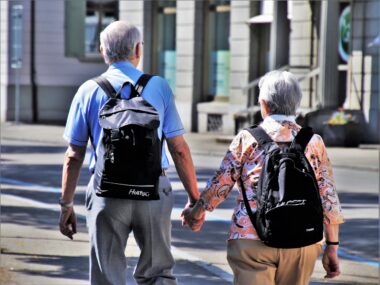
As we age, maintaining fitness becomes vital for overall health and quality of life, especially for seniors. Engaging in social activities can significantly contribute to improving physical fitness among older adults. Through various social engagement activities, seniors can participate in exercises that are enjoyable and beneficial. Activities such as group walks, dance classes, or gentle gym sessions not only facilitate social interaction but also promote movement. Regular engagement in these activities enhances physical strength, flexibility, and balance, which are critical for preventing falls. Moreover, socialization combats feelings of loneliness and isolation often experienced by seniors, thereby positively impacting mental health. Participating with peers often encourages consistency in fitness routines since individuals are more likely to stick with them when they are part of a group. Programs designed to encourage physical activity within community centers, retirement homes, and local parks can be particularly effective in reaching and motivating seniors. Involving family members and caregivers can also enhance these efforts as they provide additional encouragement and support during activities. Hence, integrating fitness into social outings is essential for fostering a healthier, happier lifestyle for seniors.
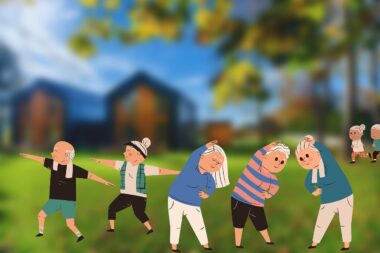
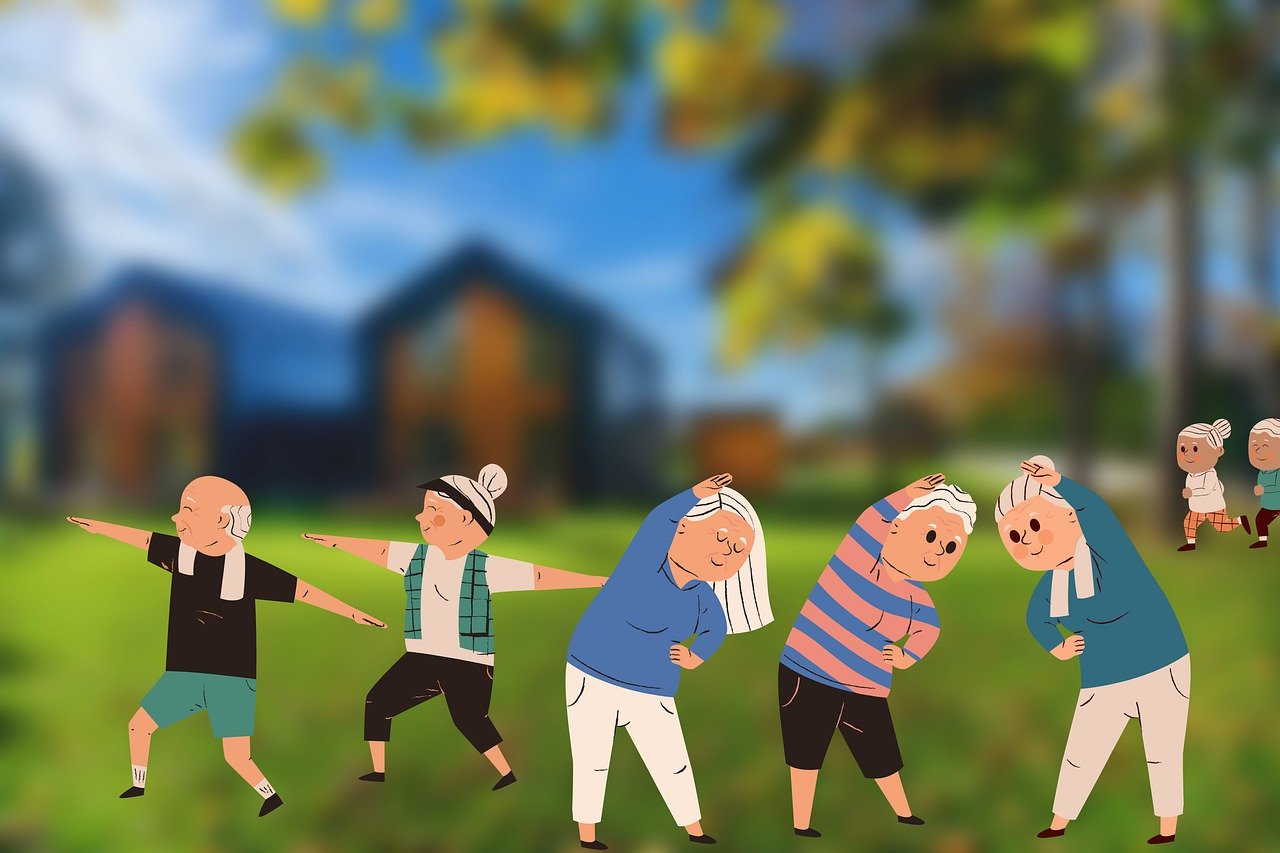
One of the most effective ways to enhance senior fitness is through structured group activities. Group exercises, like tai chi or aqua aerobics, are ideal as they combine social interaction with physical benefits. These activities emphasize gentle movements, ensuring that seniors can participate regardless of their fitness levels. This inclusivity fosters a supportive atmosphere where seniors may feel comfortable progressing at their own paces. Furthermore, engaging in structured activities helps to establish routine exercise habits. Research indicates that when seniors participate in group settings, motivation increases significantly. The camaraderie builds confidence, encouraging individuals to push their limits safely. Facilities and trainers specializing in senior fitness often organize workshops and classes tailored specifically for older adults. Furthermore, leveraging technology, such as video conferencing platforms, allows for virtual exercise classes, making it easier for those with mobility issues or transportation challenges. Creating a vibrant community around fitness can include friendly competitions or fitness challenges which can often rekindle a sense of youthful spirit. Regularly participating in these fitness sessions, seniors can achieve notable improvements in their physical health and overall well-being.
The Role of Nutrition in Senior Fitness
Alongside social engagement activities, proper nutrition plays a crucial role in enhancing senior fitness. As the body ages, nutritional needs change, necessitating a balanced diet rich in essential vitamins and minerals. Seniors should focus on consuming nutrient-dense foods that support muscle maintenance and overall health. Incorporating proteins such as lean meats, fish, dairy, legumes, and nuts helps preserve muscle mass, which is vital for maintaining functional strength. Additionally, the importance of hydration cannot be overstated. Older adults often experience decreased thirst sensitivity, leading to potential dehydration. Encouraging regular water breaks during social and fitness activities helps mitigate this risk. Fortifying meals with fruits, vegetables, and whole grains ensures essential fibers and antioxidants are present, supporting digestive health and immune function. Social settings like community kitchens or meal prep groups allow seniors to learn about and share nutritious recipes together. Creating environments where healthful eating habits are celebrated can vastly improve dietary choices among seniors. Therefore, integrating nutritional education into fitness programs enhances the overall impact of physical activities while fostering social connections.
Moreover, intergenerational programs offer unique opportunities to combine social engagement and fitness for seniors. Engaging with younger generations—children, teens, or young adults—allows older adults to share their wisdom while being active. Activities like gardening, local sports, or fitness challenges provide platforms for meaningful interaction while boosting physical engagement. Such setups benefit both parties; seniors gain increased vitality and energy levels, while younger participants develop a sense of respect and understanding for aging individuals. Community centers and schools can collaborate to create programs, encouraging physical fitness while breaking down age-based barriers. Exploring new skills together, such as dance or craft sessions, also allows seniors to feel relevant and valued. These intergenerational activities can foster greater participation in fitness routines as seniors often find motivation in being role models for younger generations. Regular interaction helps in combating stereotypes about aging, fostering a more inclusive mindset within the community. In summary, adopting intergenerational strategies within fitness programs continually nurtures a vibrant ethos where physical health and social connections go hand in hand.
Utilizing Technology for Enhanced Engagement
Technology has revolutionized how seniors can engage with fitness activities socially. Smartphone applications and wearable fitness devices can play significant roles in this transformation. Several apps are designed specifically for older adults, where they can join virtual workout sessions and interact with others simultaneously. Features such as reminders and health tracking can keep seniors accountable and motivated in their fitness journeys. Online platforms facilitating virtual community events allow seniors to feel connected even from their homes. This connection is especially beneficial for seniors with mobility or transportation issues, ensuring they do not miss out on social or fitness opportunities. Virtual reality is emerging as a fun way for seniors to stay active by participating in immersive experiences without the constraints of physical space. Some programs specifically cater to older adults, allowing them to explore new environments while engaging in physical activities. Safety is enhanced as many seniors may find exercising in a comfortable setting easier. Thus, utilizing technology in social engagement strategies fosters greater accessibility and participation while encouraging continuous interaction among peers.
In conclusion, enhancing senior fitness through social engagement activities is a multifaceted approach requiring community involvement, creativity, and encouragement. The significance of combining physical fitness with social interaction cannot be overstated, as it addresses both physical and emotional well-being. Programs designed to engage seniors holistically, incorporating nutrition, group activities, and technology, can significantly improve their quality of life. Communities should strive to create diverse opportunities where seniors can partake in a variety of activities tailored to their interests and fitness levels. Stakeholders, including family members, health professionals, and local organizations, must collaborate to build support systems that recognize the value of social engagement in promoting physical health. Additionally, the input of seniors themselves can offer insights into their preferences and motivations for participation in such activities. By fostering environments rich in community and connectivity, seniors can reap the numerous benefits associated with an active lifestyle. Ultimately, as the connection between fitness and social engagement strengthens, a healthier, happier, and more vibrant aging population will emerge, benefiting society as a whole.
Community Initiatives to Promote Senior Fitness
Community initiatives play a vital role in promoting senior fitness through social engagement activities. Local organizations must prioritize the creation of programs designed to meet the specific needs of older adults. Initiatives like fitness-focused community events, workshops, or exercise classes can attract seniors from various backgrounds. Building partnerships with local health professionals and fitness trainers ensures programs align with the latest health guidelines, maximizing benefit and safety. By offering these events in accessible locations such as parks or community centers, participation rates increase. It’s crucial to promote these opportunities through outreach channels such as newsletters, social media, and word of mouth. Collaboration with libraries, schools, and senior advocacy groups can enhance awareness as well. Moreover, establishing volunteer programs encourages seniors to contribute their skills while engaging in activities beneficial to their fitness. Such measures nourish both body and mind, fostering purpose and community involvement. Additionally, adapting programs to incorporate various interests, like dancing, walking groups, or gentle yoga, caters to diverse preferences, enhancing attractiveness. Consequently, active outreach and innovative program design are fundamental to maximizing senior participation in fitness activities.
Ultimately, the pathway to enhancing senior fitness lies in fostering environments ripe for engagement. Social interaction combined with physical activity proves to be a powerful combination, ensuring seniors lead healthy and fulfilling lives. Through collaborative community efforts that harness the potential of social engagement activities, seniors can enjoy longer, healthier lives full of vitality. Developing a strong foundation for senior fitness requires creativity, persistence, and an understanding of the unique challenges faced by older adults. Regular feedback from participants can provide valuable insights to continually refine and adapt programs to better meet their needs. Moreover, leveraging the strengths of local businesses and organizations allows for a more comprehensive approach to promoting senior wellness. As communities work together to eliminate barriers to participation, seniors will find a sense of belonging and motivation within fitness activities. The aim should be to cultivate a culture that encourages fitness while embracing the invaluable contributions that seniors bring. In a climate of support and encouragement, senior fitness can thrive, resulting in enhanced health outcomes and improved quality of life.