
Cultural Considerations in Gym Dress Code and How to Respect Them
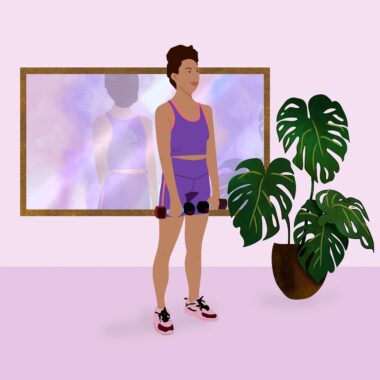
When participating in gym activities, understanding the cultural norms and dress codes of different communities can greatly enhance the experience. Different cultures have varying expectations regarding one’s attire in public spaces like gyms. For instance, in some regions, modesty is highly regarded, leading individuals to wear clothing that covers much of their bodies. Thus, it’s crucial to be aware of the guidelines specific to the gym environment. A positive atmosphere is created when everyone shows respect through their clothing choices. It’s advisable to observe what others are wearing before making selections. In gyms located in diverse cities, one may encounter a mix of cultural influences. Recognizing and appreciating these elements fosters respect. Engaging in conversations about gym wear with locals can also provide insights. Are your gym’s policies aligned with the broader community? If uncertain, reach out to gym staff for guidance on acceptable dress codes. In short, respecting cultural norms in gym attire is a thoughtful way to create a more inclusive environment for everyone who shares the workout space.
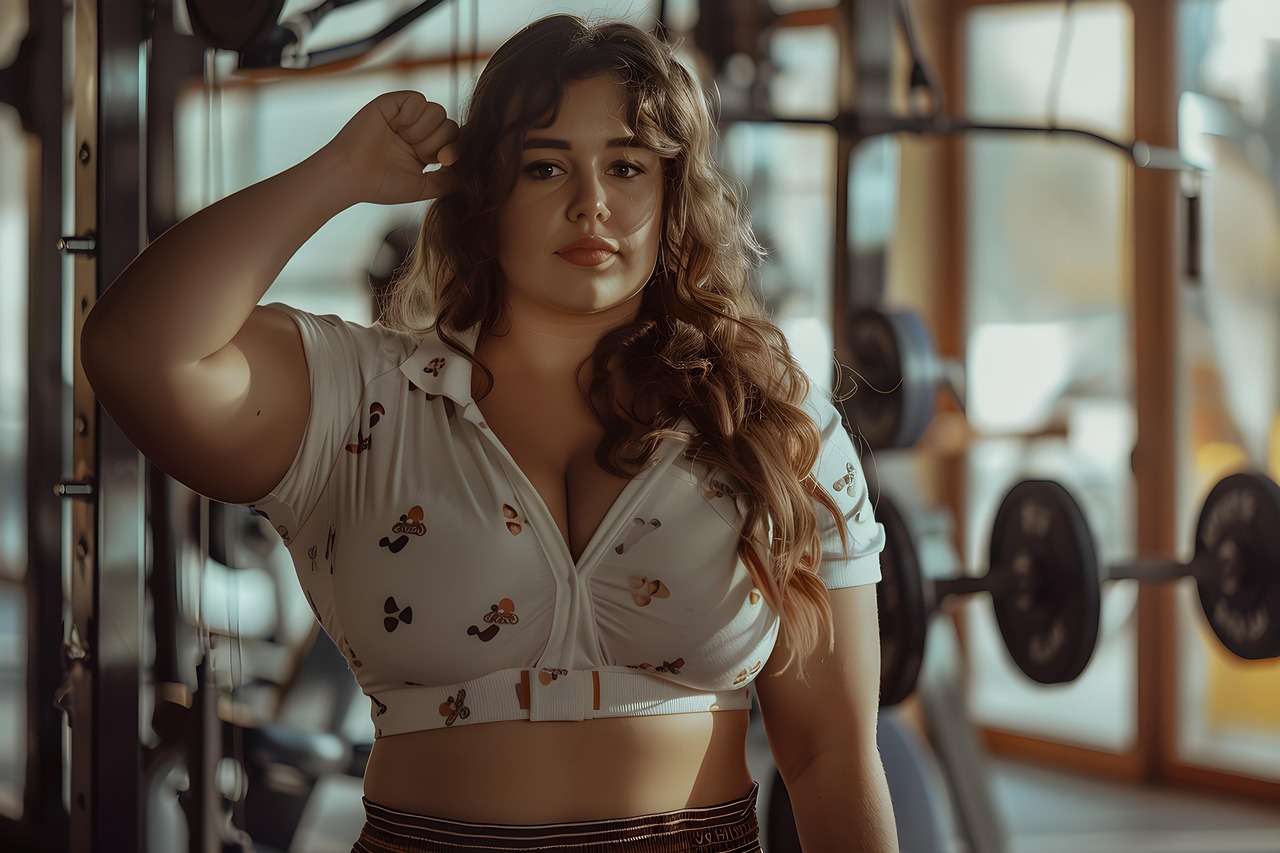
In addition to being mindful of cultural codes, personal comfort is another essential consideration in gym attire. Wearing clothes that provide ease of movement is crucial for a successful workout session. Fabrics that allow proper ventilation and promote sweat-wicking keep you dry and comfortable. Rigid or overly tight clothing can restrict movement, leading to decreased performance and increased risk of injury. It’s suitable to choose breathable materials that encourage airflow. Typically, cotton blends or moisture-wicking synthetic fabrics work best. Also, exploring options that offer support, such as well-fitted sports bras or supportive footwear, is wise. Each individual must find attire that balances style with function. Many gyms now provide guidelines on what is deemed appropriate. As trends often elevate athletic wear to fashion statements, understanding what works best for exercising versus socializing is essential. This awareness helps in assisting others who may feel less confident in their chosen outfit. Supporting fellow gym-goers regardless of their attire also helps in fostering a welcoming environment within the fitness community, putting the focus back on health and wellness.
Understanding the Importance of Proper Footwear
Footwear selection plays a critical role in gym etiquette and personal safety. The right shoes not only enhance performance but also prevent injuries during workouts. When participating in weightlifting classes, flat, supportive shoes are often recommended. Conversely, more cushioned trainers work well for cardio workouts. It’s key to wear shoes appropriate to the specific activity, particularly to avoid slipping or joint strain. Furthermore, many gyms require members to adhere to footwear policies for hygiene reasons. Open-toed shoes and sandals may be prohibited in some establishments. This ensures a safe environment for all gym-goers and shows respect for shared spaces. Moreover, individuals who wear socks and proper gym shoes cultivate a better overall impression of gym etiquette. In contrast, wearing inappropriate footwear can make both you and those around you feel uncomfortable. If unsure about what to wear, consider reaching out to fellow gym-goers or staff for advice. Ultimately, prioritizing safety is of utmost importance, and selecting the correct shoes while exercising demonstrates responsibility and respect for oneself and others.
In some cultures, specific attire might be mandated or preferred for reasons rooted in tradition or religion. This inclusion extends to gym environments as well. For instance, women in certain cultures may prefer wearing long-sleeved tops or full-body attire like leggings in public settings. When families exercise together, such as in communities with shared cultural values, it’s essential to respect these attire choices. Creating gym spaces that respect diverse practices in clothing allows participation for everyone. Programs that promote inclusive attire can be helpful, encouraging individuals to define their comfort zones. It’s also worth discussing group workout sessions where varying cultural outfits can blend harmoniously. Open forums can be integrated into gym schedules for members to express their thoughts about gym attire. Acceptance and understanding of all cultural practices foster harmony and a cooperative spirit. Those newcomers can benefit from engaging with seasoned members who exemplify cultural appreciation through their dress. It’s imperative to decrease intimidation levels by opening communication about gym wear across various community elements. Creating a culture of respect ultimately leads to healthier workout atmospheres.
Recognizing the Role of Social Media in Gym Fashion
The modern landscape of gym attire is heavily influenced by social media. Platforms like Instagram and TikTok have turned fitness wear into fashionable statements. Influencers often showcase unique trends, setting expectations for what is stylish or acceptable in gyms. Yet, this can create pressure to conform to these standards rather than prioritize comfort and practicality. Remember, gym outfits should accommodate personal preferences instead of responding solely to social media trends. While it’s enjoyable to draw inspiration from popular figures, staying true to your individual style and comfort level is crucial. Use social media as a tool to educate yourself, rather than as a standard to live up to. Embracing diversity in styles and functionality in clothing ensures varied tastes are respected. Each day brings different moods, and the attire should reflect that feeling. Partaking in discussions about the effects of social media on gym culture can foster transparency. Offering supportive feedback on how attire choice affects performance encourages healthy dialogue. Critical discussions about the influence of popular figures on local cultures emerge. Balancing social influences with personal responsibility ensures the gym remains a comfortable space.
Inclusivity in athletic attire builds a stronger gym community. Ideally, everyone should feel comfortable expressing their unique cultural identity through their clothing. Gyms can significantly improve the overall atmosphere by establishing dress code policies promoting inclusivity. Clear guidelines about acceptable attire can be established without alienating anyone. Encouraging members to feel good in their own skin will lead to a more relaxed and enjoyable workout experience. Gym staff can support this endeavor by hosting workshops or discussions about appropriate attire and its varied meanings across cultures. By working together to create welcoming environments, members define their sense of belonging. Reaching out to newcomers with understanding and compassion fosters rapport and strengthens community ties. Celebrating diversity can turn gym spaces into sanctuaries where everyone appreciates the difference. Clubs can also invite fitness professionals from diverse backgrounds to share their experiences with attire in their cultures. This initiative can enrich collective understanding, making everyone eager to learn more. Connecting with others allows for a warm exchange of ideas. Cultivating an atmosphere that accommodates various preferences enhances the commitment to health and fitness.
Conclusion: Building Respect and Understanding Among All
Conclusively, respecting the cultural nuances surrounding gym dress codes plays a pivotal role in fostering camaraderie. By recognizing the importance of various styles and preferences, we can create a more inclusive atmosphere for everyone. Encouraging honest dialogues about different attire choices significantly reduces tensions related to cultural differences. Personal comfort remains an integral aspect of gym wear, as the right attire allows everyone to perform to the best of their abilities. The balance between fashion, comfort, and respect leads to satisfying experiences. The dynamic nature of gym culture relies on mutual understanding among attendees. Each individual’s choices should be met with empathy instead of judgement. Remember, it is about empowerment and allowing everyone to embark on their fitness journeys without feeling constrained by clothing expectations. Educational initiatives within the gym regarding attire can lead to greater awareness and acceptance of cultural differences. Building a close-knit fitness community that respects diversity enriches interactions. Ultimately, everyone can grow stronger together as they create connections across various cultural backgrounds and practices. Supporting one another not only boosts morale but also encourages collective growth through shared fitness experiences.
By being mindful of attire in the gym, individuals create a welcoming atmosphere for themselves and others. Respecting cultural considerations helps in allowing everyone to thrive within the fitness space.