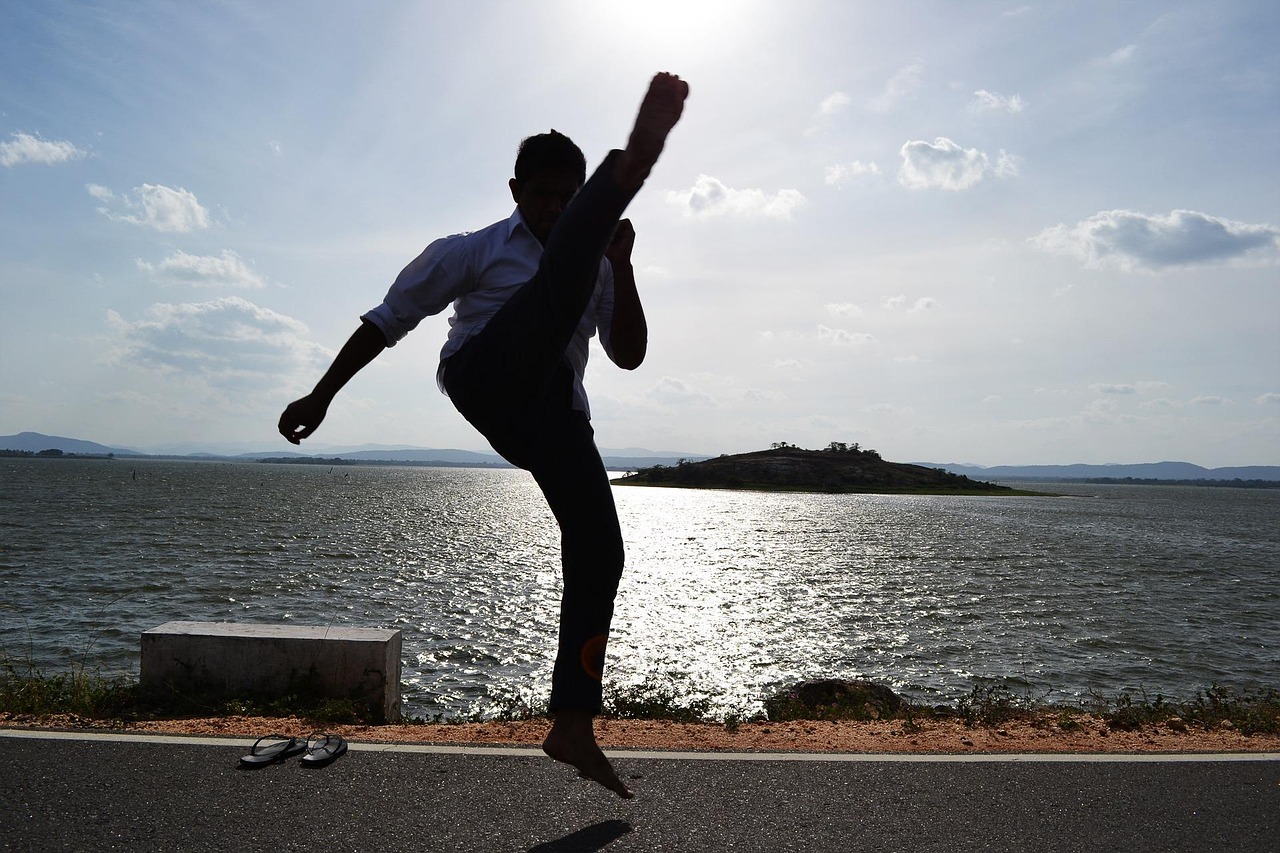

Advanced Kicking Techniques to Master in Savate
Savate, also known as French kickboxing, features a rich heritage and an array of advanced kicking techniques that practitioners must master. One of the essential kicks in Savate is the “Chassé,” a powerful push kick aimed at the opponent’s midsection or lower body. This kick provides both distance and leverage. Practicing Chassé develops strength in the legs and improves stability in stance. Another critical kick is the “Coup de Pied” or “shot kick,” which can also target various areas like the head and torso, allowing fighters to score points effectively. Additionally, the “Savate” distinguishes itself with its emphasis on precision and technique over brute force. Masters recommend drills focusing on flexibility and coordination to execute these kicks efficiently. Utilizing targets such as pads can enhance accuracy while improving speed and power. Incorporating footwork drills helps build a complete skillset for striking. Ultimately, mastering these advanced kicking techniques is vital for any Savate practitioner seeking to excel in the art of self-defense and competitive kickboxing.
The Importance of Kicking Techniques
Advanced kicking techniques serve not only as offensive maneuvers but also as vital defensive tools in Savate training. Proper techniques can create barriers and openings against an opponent, enhancing combat effectiveness. The “Garde” or guard position allows practitioners to execute kicks while remaining shielded. Striking with accuracy and timing is equally important as power in Savate. Therefore, mastering the “High Kick” or “Coup de Pied Haut” is essential to control the fight. Combining kicking techniques with footwork effectively disrupts various opponent strategies. The use of the “Fouetté,” or whipping kick, creates dynamic transitions from defense to offense, allowing quick strikes as well as evasion. Moreover, the integration of kicks into combinations can confuse and mislead opponents. Incorporating visual training with video analysis can also enhance understanding of kicks’ effectiveness in real-time situations. Advanced learners should focus on adapting these techniques in sparring sessions. This real-world application ensures fluidity and resilience, vital for any martial artist. In summary, understanding advanced kicking techniques unlocks numerous strategic advantages, thus transforming the practitioner into a formidable opponent in Savate.
Pre-fight conditioning and flexibility exercises are crucial for executing advanced kicks in Savate effortlessly. To enhance adaptability, martial artists must engage in regular stretching routines specifically aimed at the hips, legs, and lower back. Key exercises include the Split Stretch and Butterfly Stretch, both of which promote increased range of motion, crucial for high kicks. Additionally, endurance training is necessary for sustaining energy during fights. Integrating running, shadowboxing, and circuit training can improve cardio while emphasizing quick recovery between kicks. The “Knee Kick” is another sophisticated move that exemplifies power and technique, often leading to knockouts. To train this technique effectively, practitioners should focus on hip rotation and proper alignment. Utilizing a partner for drills helps develop timing and reaction speed. Switching between different kicking techniques can improve unpredictability, further enhancing a fighter’s ability to adapt in the ring. Finally, mental preparation cannot be overlooked. Visualization exercises enable practitioners to picture performing techniques successfully, reinforcing their confidence. Mastering kicking techniques goes well beyond physical agility; it involves discipline, dedication, and a deep understanding of Savate principles.
Techniques for Sparring Practice
Incorporating advanced kicking techniques into sparring sessions enhances practical applications and overall skill development. Sparring offers the unique opportunity to test techniques against a live opponent, creating real-time challenges. Focus on incorporating combinations, such as pairing a Chassé with a Coup de Pied, to create rhythm and keep opponents guessing. Additionally, practicing defensive kicks will cultivate a sense of timing and placement. Understanding when to strike as well as evade can significantly shift the momentum of a fight. Drilling with a partner facilitates faster reactions, leading to better instinctive responses during matches. It’s essential to emphasize both sides, incorporating left and right kicks to ensure balance and versatility. Shadowboxing while visualizing an opponent provides another layer of preparation. Practitioners can rehearse kick sequences without the pressure of competition, allowing deeper focus on form and technique. Recording sparring sessions also provides valuable insights, helping identify strengths and areas for improvement. Utilize feedback from coaches or peers to refine techniques. Through consistent practice, advanced kicking techniques become second nature, equipping practitioners with a competitive edge.
Advanced Savate practitioners must also engage in strategic thinking when utilizing kicking techniques. Understanding an opponent’s style and tendencies fosters the ability to capitalize on weaknesses. For instance, when facing a defensive opponent, employing more unpredictable striking combinations can create openings. The use of feints makes a significant impact and induces hesitation, allowing counterattacks with high kicks or low strikes. Moreover, incorporating deceptive movements enhances the element of surprise. Practitioners must develop their observational skills to anticipate movements and effectively react. The “Lift Kick” or “Coup de Pied Levé” can be utilized, targeting empty spaces in an opponent’s defense. Exploring various angles and directions for kicking can yield unexpected results. Adapting techniques to maintain or break distance provides another layer of strategy in matches. Regularly reassessing goals during training focuses efforts on mastering specific kicks tailored to personal fighting styles. By cultivating both physical and mental attributes, advanced Savate practitioners can improve their effectiveness in combat. Ultimately, the combination of strategy and technique facilitates a deeper connection between mind and body, elevating the overall value of Savate.
Final Thoughts on Mastering Kicking Techniques
Mastering advanced kicking techniques in Savate is an ongoing journey that requires commitment, patience, and continuous practice. An effective training regimen should prioritize consistent drills, conditioning exercises, and sparring sessions. By integrating focus pads and kick shields into training routines, practitioners can sharpen their accuracy and power. Furthermore, studying techniques through resources like video tutorials and books can provide additional insights into kicking mechanics. Regular assessments with instructors can yield valuable feedback, guiding practitioners towards their goals. Participating in competitions can also motivate advancements and higher levels of discipline as practitioners strive for improvements to excel on the mat. Embracing the essence of Savate, with its unique art of kicking, appeals to both fitness benefits and self-defense applications. For those who pursue mastery with passion and determination, Savate holds immense opportunities for growth and expression. Lastly, never underestimate the significance of mental fortitude in martial arts. Visualization and a positive mindset can enhance not just technique but the overall experience as a Savate enthusiast. As you embark on this kicking journey, find joy in the process and celebrate each milestone along the way.
Sharing knowledge with other martial artists fosters community and raises the overall standards of Savate practice. Collaborating with fellow practitioners during training sessions can lead to innovative techniques and insights, benefiting everyone involved. This exchange of ideas highlights the deeply interconnected nature of martial arts and how each practitioner brings unique perspectives to the discipline. Hosting workshops featuring guest instructors is another way to learn advanced kicking techniques and discover new drills. Networking within the Savate community encourages personal growth while exploring various fighting styles and approaches. Additionally, consider participating in local or regional tournaments to gauge one’s progress against competitors from different backgrounds. Emphasizing camaraderie and mutual respect is vital in martial arts; building lasting friendships can enhance one’s training experience. All these aspects contribute to the personal and collective evolution of Savate as a martial art. Always remember that consistent practice and commitment to improvement culminate in mastery. And while advanced kicking techniques are an essential part of Savate, they are only one piece of the puzzle; holistic training is vital for becoming a well-rounded martial artist.
An often overlooked aspect of mastering advanced kicking techniques in Savate is the cultural appreciation of this martial art. Understanding its history and evolution can deepen practitioners’ connection to the discipline. Savate has roots dating back to the late 19th century, originating from France and integrating various fighting styles over the years. Engaging with the history allows individuals to appreciate the rich traditions that influence modern training methods. Reading literature on martial arts history or even attending seminars can enhance knowledge and respect for Savate. Practitioners are also encouraged to visit museums or watch documentaries that highlight the journey of Savate through time. This deep knowledge serves as inspiration for continued practice and perseverance. Connecting with the roots of Savate provides a strong foundation upon which to build modern skill sets. Additionally, maintaining a scholarly attitude towards training promotes lifelong learning and curiosity. Future practitioners in Savate will carry forward this cultural legacy, ensuring that skills, techniques, and values are preserved through generations. So, as you aspire to master advanced kicking techniques, always honor the past while forging your unique path.