
Role of Mental Health Support in Chronic Disease and Fitness
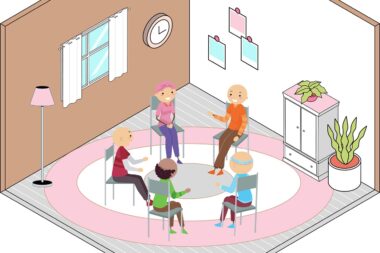
Chronic diseases often bring physical challenges and mental health struggles. The intertwining of mental health and physical conditions makes support groups vital. Individuals battling chronic illnesses frequently face anxiety and depression, which can exacerbate their physical symptoms. Engaging with support groups provides not only comfort, but also practical strategies. These gatherings foster connections among those experiencing similar issues, creating a community that understands the unique challenges. Emotional support from peers can significantly enhance coping mechanisms. Furthermore, discussing shared experiences encourages emotional resilience. Mental health support can facilitate healthier lifestyles as feelings of isolation diminish. Positive group dynamics can lead to improved adherence to treatment plans and positive behavioral changes. Participants gain insight into various self-management strategies through shared discussions. Support groups also often include health professionals who can provide expertise and advice. They assist members in setting achievable goals for both mental and physical well-being. Educating individuals about the importance of maintaining mental health often leads to reduced risks associated with chronic diseases. This supportive environment nurtures not only acceptance but also the motivation to continue pursuing health-related goals.
Chronic illness can lead to a sense of hopelessness, which is why mental health support is essential. Mental health professionals in support groups help individuals understand their emotions better. This understanding enables them to express their feelings regarding chronic diseases. Effective communication techniques can be learned in these groups, aiding participants in discussing their needs and experiences assertively. Individuals often leave sessions feeling empowered and equipped with the tools needed to handle life’s challenges more successfully. Professional guidance within support settings can aid in addressing negative thought patterns too. Group therapy often focuses on cognitive behavioral strategies, enhancing overall psychological well-being. Because these support groups allow individuals to share their stories, they become places of healing and growth. Participants commonly discuss not just their struggles but also their successes, providing motivation to others. Establishing relationships among group members fosters friendships, which can endure beyond the meetings. These connections create lasting support systems for individuals facing chronic illness challenges. Participating in engaging and thoughtful discussions often results in deeper emotional expression. Thus, mental health support fosters a holistic approach to managing chronic diseases while coupling physical health and mental wellness.
The Impact of Social Support on Mental Health
Social support plays a crucial role in maintaining both mental and physical health, particularly for those coping with chronic diseases. The shared experiences in a support group create an environment of trust and understanding, which can be therapeutic. The camaraderie found in such groups allows individuals to share their struggles without fear of judgment. Emotional validation is a significant benefit of group participation, contributing to a sense of belonging. This emotional security is essential for fostering resilience in the face of chronic illnesses. Support groups often encourage members to share tips on managing their health more effectively. Talking about personal experiences helps individuals feel less alone in their struggles. The relationships formed within these groups often extend beyond meetings, allowing for ongoing support. Members frequently check in on each other outside group settings, reinforcing their connections. This newfound strength can lead to improved mental health outcomes, such as reduced anxiety and depression. The positive impact of social interactions cannot be overstated: they can significantly enhance one’s quality of life. As members encourage one another, they often exhibit increased motivation to participate in fitness activities together, creating more inclusive environments.
Resources dedicated to mental health support are essential for chronic disease management. Many healthcare systems now recognize the importance of integrating mental health services with traditional medical care, offering a more comprehensive approach. Patients may benefit from resources such as counseling, workshops, and educational materials. Access to these resources can positively influence treatment adherence and self-management skills. Group members can learn from shared educational content, enhancing their knowledge about chronic disease management. Such resources typically include information on nutrition, exercise, and stress management techniques tailored to individuals with chronic conditions. By fostering engagement in healthy activities through discussions, participants can transform their lifestyles. Additionally, online platforms and resources have become increasingly valuable. Virtual support groups provide flexibility for individuals unable to attend in-person meetings. Online forums enable discussions that continue outside regular meetings, ensuring ongoing support. Blogs and webinars can also supplement traditional support group discussions. Accessing various multimedia resources diversifies learning opportunities and sustains participant engagement. Providing these resources to individuals promotes empowerment and encourages proactive health management. As a result, integrating mental health support gives individuals with chronic diseases a pathway to restore their well-being in all dimensions.
Strategies for Building a Supportive Community
Building a supportive community around chronic disease is crucial for enhancing mental health. Various strategies can be employed to create space that nurtures well-being. Engaging local health organizations or community groups in discussion can lead to collaborative efforts. This collaboration can yield workshops that highlight both education and support for individuals. Designing such workshops not only uplifts individuals but can also create lasting ties among participants. Encouraging local leaders to foster healthy activities promotes fitness and group bonding. Focused activities such as walking groups, cooking classes, and yoga sessions can enhance participation. Through these shared experiences, community members are likely to establish meaningful relationships. Regularity and consistency in gatherings promote trust and shared goals. Social media can be leveraged to keep everyone connected and informed about upcoming events. Online events can attract wider participants, reaching out to those unable to attend physically. Greater awareness fosters solidarity, motivating individuals to engage in self-care practices. Encouraging testimonials from participants helps spread the word regarding the positive impacts of community engagement. As participants witness progress, their motivation and dedication often strengthen their resolve to combat their chronic conditions.
Mental health support enhances personal accountability in managing chronic diseases. Support groups create an environment where individuals can openly share their challenges. This approach encourages participants to take ownership of their health journeys. Having people hold them accountable fosters a sense of responsibility. As one shares goals and aspirations, it may create a sense of obligation to follow through. Individuals often report feeling driven to set and achieve health-related targets after discussion with group members. The shared encouragement and motivation can lead to tangible improvements in their wellness. These supportive communities can directly influence lifestyle decisions regarding diet and exercise. Individuals often exchange recipe ideas and exercise routines that have worked for them. Shared moments of success and challenge encourage group members to celebrate achievements collectively. Celebrating small victories fosters a culture of positivity. Group members learn valuable lessons in resilience, emerging stronger through collaboration. Furthermore, the psychological benefits of accountability can significantly impact an individual’s mental well-being. By witnessing peers’ progress, members often develop hope and determination. This collectively-focused mindset equips individuals with the tools needed for sustained recovery, thriving in the face of chronic health challenges.
Conclusion: Emphasizing the Need for Support
Mental health support plays a pivotal role in navigating chronic diseases effectively. Establishing support groups significantly alleviates the burden of these illnesses. Members find solace in shared experiences, building a sense of community that fosters resilience. It’s vital to emphasize that addressing mental health is equally important as managing physical conditions. Without the former, individuals may struggle to stay committed to their health goals. Promoting awareness about the benefits of joining support networks is essential for patient education. Encouragement from healthcare providers can lead to increased participation in support groups. People equipped with mental health resources often build healthier lifestyles more readily. Remaining connected with others who share similar journeys helps diminish feelings of isolation. The positive impacts ripple farther, inspiring entire communities towards better health outcomes. Individuals feel empowered to take proactive roles in their health journeys through shared discussions. Therefore, ongoing investment in mental health resources focuses on long-term health benefits. Conclusively, mental health support is indispensable for personal growth among those with chronic conditions. It’s time to elevate the discourse surrounding the mental aspects of chronic illness management and promote supportive networks.
Fostering a dialogue that prioritizes mental health will lead to a more holistic approach to health and fitness as well, particularly for this demographic. Encouraging individuals with chronic illnesses to actively participate in mental and emotional dialogues will yield profound benefits. The combined effect of peer support and professional guidance creates transformative experiences. The power of community can’t be overstated when faced with such debilitating challenges. Creating inclusive environments, whether physically or online, can contribute significantly to overcoming the barriers that individuals face. Effective mental health support fosters vital coping strategies necessary for living with chronic diseases. Thus, it not only aids individuals in facing their struggles but can genuinely transform lives. Mobilizing resources to raise awareness of the interplay between mental and physical health can pave the way towards acceptance, understanding, and recovery. Support groups serve as conduits, bringing together diverse individuals who share the same plight, nurturing strength and camaraderie. Empowering each other to embrace their health journeys with open hearts can inspire collective growth. In this way, individuals reclaim agency over their lives, paving the way to a healthier, more fulfilling existence.