
Outdoor Winter Sports for Fitness and Fun
Winter transforms our outdoor landscapes into stunning white-frosted playgrounds. Engaging in outdoor winter sports not only provides an exhilarating workout but also allows us to embrace nature’s beauty. Activities like snowboarding, skiing, and ice skating create fantastic opportunities for staying active while enjoying the crisp, cold air. Skiing engages multiple muscle groups, enhancing cardiovascular health and improving balance, while snowboarding combines similar benefits. Ice skating, whether on a rink or a frozen lake, promotes lower body strength and coordination. The social aspect of these sports allows for bonding with friends and sharing the excitement of winter challenges. Apart from fun, these activities enhance endurance, build flexibility, and contribute to weight management. As temperatures drop, it’s essential to prioritize safety by wearing appropriate gear and being mindful of weather conditions. To maximize your outdoor experience, consider signing up for lessons or joining local clubs. They provide training and camaraderie, making workouts more enjoyable. Outdoor winter sports fulfill the dual purpose of promoting fitness and providing recreation amidst the beauty of snowy landscapes, making them an excellent choice for any fitness enthusiast.
The Thrill of Skiing
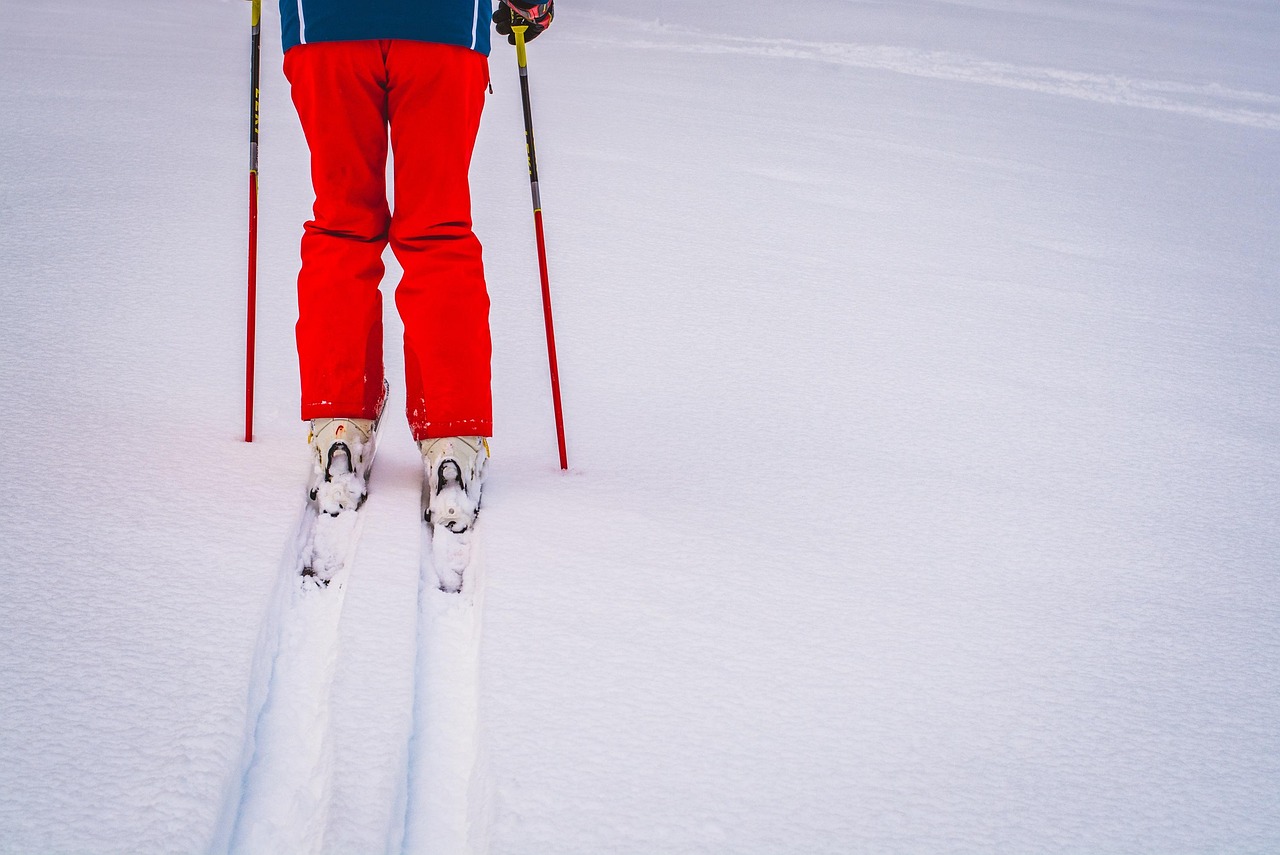
Skiing is one of the most popular winter sports worldwide, ideal for fitness lovers and adrenaline seekers alike. It offers a fantastic way to build strength, balance, and agility. When skiing, not only do you navigate challenging terrains, but you also engage your core muscles, legs, and arms with each turn and maneuver. A ski trip can burn a significant amount of calories, especially with the added challenge of descending steep slopes and maintaining control. Joining a skiing community provides motivation through group lessons and ski trips. Many resorts offer instruction for all skill levels, from beginners to experts, enhancing your technique while ensuring safety. Beyond physical benefits, skiing offers mental health advantages by relieving stress and boosting your mood through the release of endorphins. It’s an excellent way to connect with nature and enjoy beautiful mountain vistas. The camaraderie among fellow skiers fuels motivation to hone skills and tackle new challenges. Always remember to wear proper ski gear and protective equipment to reduce the risk of injury. Overall, skiing remains an exhilarating choice for maintaining fitness and having fun during winter months.
On the other hand, snowboarding offers a distinct twist on winter sports that captures the hearts of many enthusiasts. This sport emphasizes balance and core strength while providing a full-body workout. Snowboarding requires constant adjustments in stance and posture, targeting muscles in the legs, abdomen, and even upper body as you navigate snowy terrains. Just like skiing, snowboarding also helps burn calories and elevate your heart rate, contributing to cardiovascular fitness. Moreover, it can be an extremely enjoyable experience when you’re with friends, learning to conquer slopes together. Many resorts have specific zones dedicated to snowboarders, featuring ramps and parks for tricks and stunts. If you’re new to snowboarding, classes are available to help you develop skills and confidence. The journey can feel a bit challenging at first, but the thrill of mastering a snowboarding technique brings immense satisfaction. Diversifying your activities on the slopes through both skiing and snowboarding can create more well-rounded fitness experiences during winter. Both sports strengthen endurance and improve physical fitness, ensuring that you stay active while having fun in the snowy outdoors.
Engaging in Snowshoeing
If you seek a more low-impact workout to enjoy the winter environment, consider snowshoeing. This sport is ideal for individuals of all fitness levels, allowing for an excellent cardio workout without the harsh impact often associated with other sports. Snowshoeing provides an opportunity to explore peaceful snow-covered trails, all while engaging a diverse range of muscles, from your legs to your core. A fundamental benefit of snowshoeing is its simplicity; it requires minimal equipment and can be done in various natural settings, from parks to mountains. Trails can often be found at local parks, encouraging exploration of new areas. This activity promotes endurance, balance, and cardiovascular health, making it a fantastic option for maintaining fitness during winter. Additionally, it supports mental well-being by encouraging time spent in nature and the peacefulness of snowy landscapes. As with other outdoor activities, ensure that you dress in layers for warmth and wear appropriate footwear for safety. Snowshoeing can be done alone or with groups, adding a social aspect that enhances the overall experience. Whether you are seeking fitness or leisure, snowshoeing is an incredible option during winter.
Ice skating is another brilliant winter activity that provides a fun and effective workout. It emphasizes balance and agility, making it suitable for all ages. Skating develops lower body strength, particularly in the legs and glutes. It allows individuals to glide gracefully across frozen surfaces while improving coordination and cardiovascular endurance. In addition to the physical benefits, ice skating often occurs in a social setting, as many people enjoy skating with friends and family, making it a wonderful opportunity to bond during the season. Many local parks and facilities offer skating rinks, so access to this joyful activity is generally easy. Joining figure skating or hockey leagues can further enhance skills and provide a sense of community. Remember to prioritize safety by wearing protective gear and learning the basics if you’re a beginner. The exhilarating feeling of ice skating, combined with beautiful winter scenery, can lift your spirits during colder months. With the proper mindset and enthusiasm, ice skating can become a much-anticipated winter tradition for years to come.
Winter Hiking Adventures
Hiking in the winter transforms familiar trails into enchanting paths adorned with snow. Winter hiking provides a powerful cardio workout while allowing individuals to connect with nature during a peaceful time of the year. This activity enhances muscle strength, particularly in your legs, and improves your balance as you traverse snowy or icy terrains. You’ll also develop endurance with each step taken against cold winds and snow. It is essential to prepare by wearing appropriate clothing and sturdy footwear to maintain warmth and prevent slips. Many local areas have designated winter trails or parks that cater to snowshoeing and winter hiking. Discovering remote locations can enhance your experience and provide impressive scenic views. Hiking with a group adds a sense of camaraderie, making the overall journey even more enjoyable. Don’t forget your camera; capturing beautiful winter landscapes can create lasting memories. Additionally, always inform someone about your plans for safety. Whether you’re hiking solo or with friends, the benefits of winter hiking go beyond physical fitness, offering tranquility amidst nature during the colder months.
Finally, engaging in winter fitness communities can support your motivation to stay active throughout the season. Many areas have groups that organize workouts, outdoor adventures, and social gatherings centered around winter sports. Connecting with these communities fosters a sense of belonging while offering various opportunities to participate in seasonal fitness activities. These clubs often arrange workshops or lessons that can enhance your skills in skiing, snowboarding, or other winter activities. Moreover, challenging yourself alongside others can push you to achieve fitness goals you may have set for the season. Having exercise buddies inspires accountability, making workouts more enjoyable and successful. Many organizations also promote events such as charity races or fun runs during winter, encouraging participation for a good cause. Community engagement during the winter months can revive enthusiasm and provide motivation to try new activities that you may not have considered otherwise. The bond formed within these groups contributes to overall well-being while fostering long-lasting relationships. Don’t hesitate to seek out a winter fitness community that aligns with your interests; it can make all the difference in your seasonal fitness journey.
Conclusion: Embracing Winter Fitness
In conclusion, winter offers numerous opportunities to engage in fitness while having fun outdoors. Activities like skiing, snowboarding, snowshoeing, ice skating, and winter hiking allow us to stay active and healthy during the colder months. Each of these sports provides unique physical benefits, challenges, and the chance to connect with friends and nature. The key to thriving in winter fitness is to find activities that you genuinely enjoy, allowing you to remain motivated and engaged. Building community connections is also beneficial, providing social support and enhancing your overall experience. As you embrace this season, remember to prioritize safety, wear proper gear, and remain open to new experiences in outdoor winter sports. With determination and an adventurous spirit, you can make the most of winter while cultivating fitness habits that can last throughout the year. Let the joy of outdoor winter sports capture your heart and encourage you to cherish every moment spent in nature. Embrace the challenge, enjoy the beauty, and make unforgettable memories with winter fitness adventures.