
Obesity and Muscle Mass: Finding the Right Balance
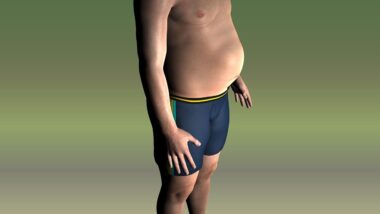
Obesity and body composition are crucial considerations in modern health discussions. This condition, characterized by excessive body fat, poses serious risks to overall health. It’s essential to analyze how obesity influences muscle mass, specifically how having a higher fat percentage can impair body functionality and aesthetics. Individuals need to understand that an imbalance can lead to physical difficulties, including mobility issues and heightened risk for chronic illnesses. Acknowledging obesity’s effect on muscle mass can help formulate essential strategies for weight management. To achieve better health outcomes, individuals often focus on losing fat while maintaining or even increasing muscle mass, which is critical for metabolic health. A balanced approach includes integrating proper nutrition, physical activity, and lifestyle adjustments. Moreover, it is advisable to consult with healthcare professionals to create personalized fitness sessions and meal plans tailored to individual needs. Learning to monitor progress through body composition analysis can greatly enhance motivation and adherence to health routines, leading to sustainable results. Engaging in this initiative positively impacts not just appearance but also psychological well-being, illustrating the profound connection between body health and mind.
Understanding body composition metrics is essential for identifying obesity levels and muscle mass. Body fat percentage and muscle mass measurements provide valuable insights to individuals seeking to improve their health. Common techniques for measuring body composition include dual-energy X-ray absorptiometry (DEXA), bioelectrical impedance analysis (BIA), and skinfold calipers. Each method has advantages and limitations, so consulting professionals can help determine the most appropriate option. By combining these data with diet and exercise routines, individuals can tailor their strategies effectively. Being aware of one’s body composition helps set realistic goals. Personalized health plans can be created based on personal metrics, ensuring a structured approach to achieve targeted results. Moreover, different body types may require unique strategies to manage obesity effectively. For instance, understanding where fat is stored and muscle distribution enables better planning for workouts, ensuring optimal results across the body. Implementing a consistent strength training program helps counter the adverse impacts of obesity on muscle mass. Balance training can also improve coordination, which in turn boosts physical activity levels. Improved coordination facilitates more engaging exercise routines, encouraging adherence and success in maintaining an active lifestyle.
The Role of Nutrition
Nutrition plays a significant role in finding the right balance between obesity and muscle mass. The type and quality of food consumed directly impact body composition. A diet rich in whole foods, including fruits, vegetables, whole grains, healthy fats, and lean proteins, can promote muscle growth while aiding in fat loss. Emphasizing high-quality proteins is vital, as they serve as the building blocks for muscle. Ideally, sourcing proteins from lean meats and plant-based alternatives supports muscle recovery and development. Furthermore, monitoring daily caloric intake helps ensure a healthy balance is achieved. It’s crucial to differentiate between empty calories and nutrient-dense options. Prioritizing nourishing foods leads to greater overall health and can facilitate weight loss while preserving muscle mass. Additionally, micro-nutrients such as vitamins and minerals are essential for various bodily functions, including metabolism and recovery. Proper hydration should not be overlooked, as it supports metabolic processes and optimal physiological function. Transitioning to a mindful eating approach encourages individuals to be more aware of their food choices, leading to better long-term dietary habits, contributing greatly to an efficient weight management strategy.
Physical activity, particularly resistance training, is vital for improving body composition. Engaging in regular strength training helps in optimizing muscle mass while managing fat levels. Developing a well-rounded fitness program should incorporate a variety of exercises targeting different muscle groups, hence promoting functional and aesthetic benefits. Cardio workouts also play an essential role in facilitating fat loss, increasing metabolic rates and improving cardiovascular health. Balancing both cardiovascular and strength training is crucial for supporting overall fitness goals and maintaining long-term success. Those who prioritize a diverse workout routine tend to experience greater motivation and adherence to their personal health objectives. Assessing progress through body composition analysis enables individuals to adjust their routines accordingly, reflecting changes in muscle development and fat loss. Prioritizing recovery is equally important for muscle maintenance; adequate sleep and rest days are necessary for optimal recovery and growth. Additionally, incorporating flexibility exercises helps to prevent injury while improving overall mobility. Over time, the cumulative effects of consistent exercise routines lead to enhanced self-esteem, vitality, and confidence, creating a positive cycle that fuels continued commitment to achieving health goals.
Challenges and Solutions
Many individuals struggle with the psychological aspects of obesity and muscle mass management. Body image issues may arise from societal pressures, causing frustration and detachment from fitness routines. Learning to love one’s body through acceptance is crucial in cultivating a healthier relationship with fitness and nutrition. Various strategies can help individuals navigate these challenges, such as setting realistic goals and tracking progress. Seeking support from fitness communities or professional coaches can also offer accountability and encouragement. Consider incorporating mindfulness practices, including meditation or yoga, to improve mental well-being. These techniques help individuals understand emotions surrounding food and body image, fostering more profound self-acceptance. It’s important to recognize that everyone’s journey is unique; embracing this fact allows individuals to appreciate incremental progress. Providing educational resources about body composition can empower people to focus on holistic health rather than solely on aesthetics. Moreover, educational workshops or seminars can address common misconceptions about obesity and muscle mass. Ultimately, fostering a positive mindset helps individuals remain motivated, ensuring long-term commitment to health and fitness goals, regardless of difficulties faced along the way.
Incorporating lifestyle modifications is key to achieving the ideal balance between obesity and muscle mass. This process includes making small but significant changes to daily routines. For example, consider integrating more physical activity throughout daily life, such as taking the stairs instead of the elevator or incorporating walking breaks at work. Additionally, planning meals ahead of time reduces the likelihood of impulsive eating choices. Using apps or journals to record food intake encourages accountability while helping to track progress. Being intentional about shopping for healthier ingredients and having easy-to-prepare meals can significantly enhance dietary choices. Furthermore, finding enjoyable and engaging physical activities ensures adherence to fitness routines. Whether it’s dancing, hiking, or group sports, enjoyment can lead to increased participation and success. Cultivating social connections also plays a vital role in strengthening motivation, promoting an active lifestyle together. Sharing experiences with friends or family fosters accountability while making the journey more enjoyable. Finally, it’s essential to remain patient and realistic about progress, as achieving lasting change takes time and consistent effort. By synthesizing these strategies, individuals can navigate the complexities of obesity and muscle mass management more effectively.
Final Thoughts
Addressing the relationship between obesity and muscle mass is a critical step toward enhancing overall health. Understanding body composition analysis and the principles of nutrition and exercise equips individuals with the knowledge to make informed choices. In doing so, they can better manage obesity while fostering muscle growth and maintenance. Furthermore, overcoming mental and physical barriers involves creating a supportive network and adopting realistic approaches. This journey towards balance isn’t straightforward; it may involve ups and downs. However, these challenges can be viewed as opportunities for growth and self-improvement. Emphasizing personal progress helps minimize the fixation on perfection and instead celebrates incremental successes. The benefits of achieving a balanced body composition extend beyond aesthetics, including improved vitality, mood, and preventive health measures. Individuals must remember that everyone’s journey is unique; patience, commitment, and self-compassion are crucial components. The pursuit of health is often a marathon rather than a sprint, and sustainable changes lead to long-term benefits. By implementing these strategies and fostering a supportive environment, individuals can confidently navigate their journey toward optimal health and well-being.