
How to Modify Yoga Poses When You Have Back Pain
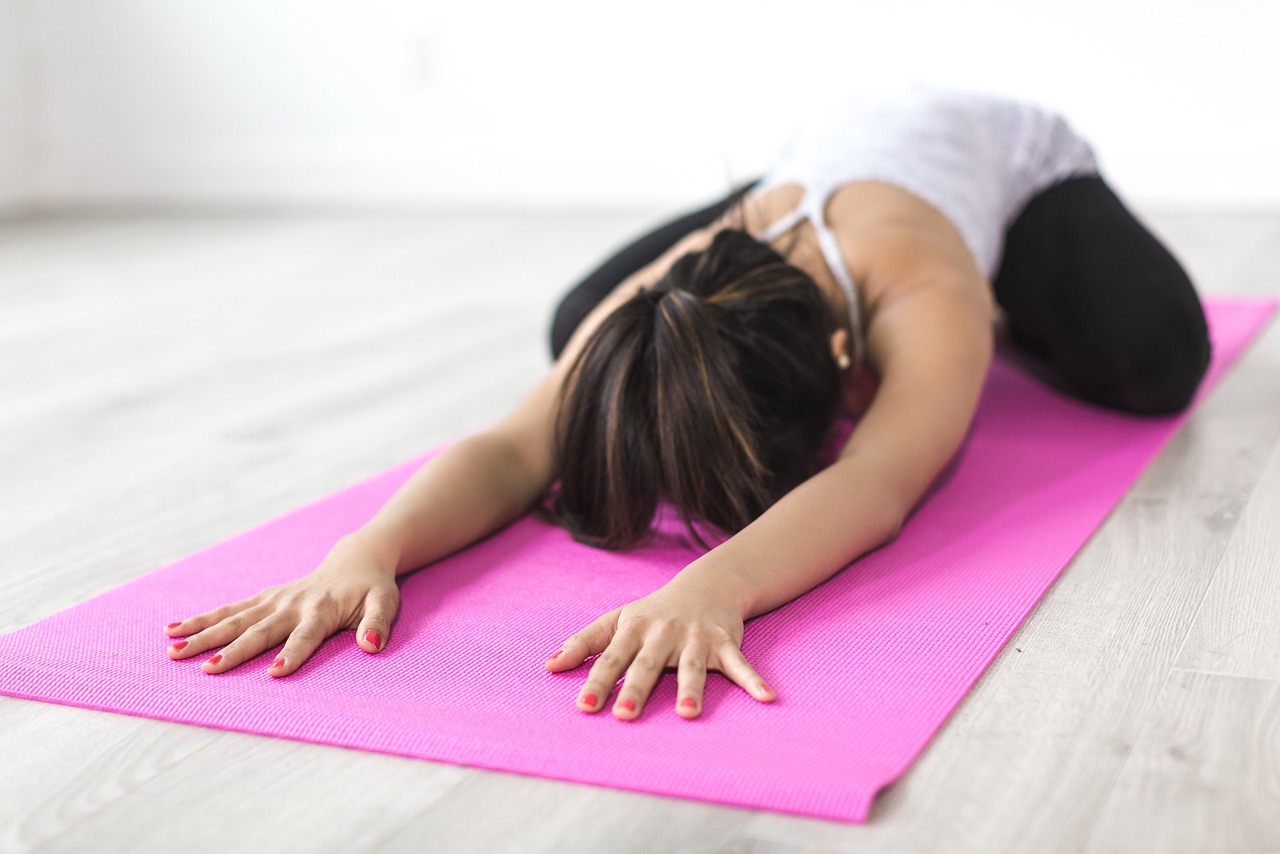
Yoga is known for its therapeutic benefits, particularly when it comes to back pain relief. However, practicing yoga poses without modifications can aggravate existing issues. It is essential to understand your body’s limits and adapt your practice accordingly. Listening to your body is crucial; if a pose causes pain, modifications are available to help you enjoy yoga safely and effectively. Incorporating props such as blocks, straps, or blankets can assist in making poses more accessible. For instance, when performing Downward Dog, bending your knees can help relieve pressure on your lower back. Gentle stretches, such as Child’s Pose, can be maintained to ease tension in the spine. Moreover, consider using a wall for support during balance poses if standing causes discomfort. Engage with a certified yoga instructor who understands back pain to guide your practice. You can also seek online resources tailored to your needs for additional support and ideas. Working within your range of motion is fundamental for recovery. With care and consideration, yoga can still be part of a healing journey for back pain.
Understanding Your Back Pain
Your first step in adapting yoga poses for back pain is understanding the nature of your discomfort. Back pain can differ significantly, from tension and soreness to structural issues like herniated discs. A proper assessment from a healthcare professional can provide insights into the cause of your pain. This understanding helps tailor yoga practice to cater to specific needs. It is also vital to differentiate between sharp pain and mild discomfort. Emphasizing mindful movements can help prevent aggravation of the condition. You may experience days where some poses are easier than others, depending on your pain level. Ensure you know when to rest or skip certain poses entirely. Developing mental awareness around your back can forge a connection to your body, guiding you toward healing through gentle exercises. Low-impact movements will improve your range of motion while preventing further injury. Focused restorative yoga not only alleviates pain but also calms the mind, establishing a holistic approach to your recovery. Always prioritize pain-free movements that enhance your well-being and establish a lasting yoga practice.
Many yoga poses can be modified to accommodate for back pain, making practice inclusive and therapeutic. Starting with seated poses like Sukhasana (Easy Pose) encourages a serene beginning. To increase comfort, place cushions under your knees or sit on a bolster. Similarly, in seated forward bends like Paschimottanasana, consider bending your knees to reduce strain. While practicing twists, such as seated spinal twists, only rotate your torso lightly without forcing the movement. Use a strap if flexibility is limited, allowing you to engage the stretch gently. Strength-building poses like Plank can be adapted by keeping your knees on the ground, distributing weight effectively. For standing poses, utilize props like chairs or walls to assist in maintaining balance. Poses such as Mountain pose can be performed at an angle against the wall for additional support. Yoga blocks can also enhance stability, particularly in wide-legged standing poses. Modifying poses not only helps ease physical discomfort but also fosters confidence in your practice. Ultimately, incorporating these alterations allows individuals with back pain to enjoy the myriad benefits of yoga safely.
Choosing the Right Yoga Style
When dealing with back pain, the style of yoga you practice can greatly impact your experience. Certain styles focus more on restorative practices, emphasizing relaxation and gentle movement. Hatha, Yin, and Restorative yoga are all excellent choices for those experiencing back discomfort. These styles encourage longer holds of poses, allowing for deep stretching and alleviating muscle tension. On the other hand, avoid vigorous styles like Ashtanga or Vinyasa that require more intense movement and can strain the back. Pay attention to class descriptions and ensure instructors are trained to work with individuals who have back issues. You might also explore individual online classes specifically targeting back pain relief. Community classes can offer additional modifications and guidance. Remember to voice any concerns with your instructor before starting, so they can assist you accordingly. Joining small classes can provide a more attentive environment where modifications are emphasized. Connecting with fellow practitioners who share similar goals can foster a supportive community during your healing journey. A smart approach to choosing the right style ensures a safe and beneficial yoga experience.
Guided breathing techniques, or pranayama, are excellent additions to your yoga practice, particularly for back pain management. Breathing deeply engages your diaphragm, which stabilizes the spine and increases oxygen flow to tissues. Incorporating focused breathing can promote relaxation and calm your nervous system, which is crucial during times of discomfort. Techniques such as diaphragmatic breathing can assist in reducing tension, gently alleviating tight muscles. As you enter poses, synchronize your breath with movements, ensuring that your muscles remain relaxed and your spine is protected. Control your breath as you settle into each pose, allowing you to feel more connected to your body. Should you find your back discomfort flaring, adjust your poses while continuing to breathe deeply. Inhale to prepare your body, and exhale to ease into the pose. Remember that yoga is a personal journey; prioritize how your body feels, ensuring each breath guides you toward relief. Learning to integrate breath with movement creates an empowered experience, helping you reclaim control over your body and ease back pain effectively. Consistent practice fosters strength over time.
Incorporating Mindfulness and Relaxation Techniques
In addition to pose modification, incorporating mindfulness and relaxation techniques can significantly enhance your yoga experience and overall well-being. Practicing mindfulness during yoga helps to heighten your awareness of bodily sensations and can lead to a reduction in perceived pain. Techniques such as body scanning allow you to cultivate awareness of tension areas while encouraging relaxation. You can also incorporate guided imagery to visualize yourself in a state of comfort and relief. Affirmative statements such as “I am strong” can further empower your journey toward healing. Additionally, utilizing Savasana, or Corpse Pose, at the end of your practice helps incorporate these principles. During Savasana, focus solely on your breath, allowing your body to absorb the benefits of your practice. You may wish to listen to soothing music or nature sounds to enhance relaxation. As you practice incorporating these techniques, note that a calm mind allows for a more enjoyable yoga experience. Emphasizing mindfulness and relaxation works diligently to promote eased pain and foster a resilient approach to your ongoing yoga practice that prioritizes well-being.
As you implement modifications and develop a mindful yoga practice for back pain, tracking your progress can provide motivation. Keeping a yoga journal allows you to return to poses that felt beneficial and note those that proved challenging. Documenting improvements, both mental and physical, can offer positive reinforcement on days when you encounter setbacks. You may also connect with experienced practitioners to gain insights and encouragement. Reflecting on your journey will highlight the importance of patience and persistence in the healing process. Engage in practice consistently but allow for flexibility. Embrace ‘good days’ and ‘bad days’ as they both play a role in your growth. Remember, yoga is not solely about flexibility but cultivating a stronger mind-body connection. Empower yourself by celebrating small victories, which serves as reminders of how far you have come. Seek community support through various platforms, such as forums or social media groups, where shared experiences can provide encouragement. Lastly, know that modifications are not a sign of weakness; they represent an informed practice geared towards healing and recovery, making yoga an integral part of your life.