
Gender Differences in Muscle Gain: Strength Training Insights
Strength training is widely recognized as an effective method for promoting muscle gain. However, it is critical to understand that gender differences significantly impact how men and women respond to resistance training. Generally, men tend to experience more rapid increases in muscle mass largely due to hormonal differences, primarily higher levels of testosterone. This hormone plays a crucial role in muscle protein synthesis, allowing men to build muscle more quickly. For women, muscle gain occurs at a different rate and requires distinct training approaches. Despite these differences, women can achieve impressive muscle gains with the right training regimen tailored to their physiological capabilities. It is essential for both genders to focus on progressive overload, where weight is gradually increased over time to stimulate muscle growth. In addition, proper nutrition, including sufficient protein intake, is vital for muscle recovery and growth. Understanding these differences can help inform personalized training plans that maximize muscle gain potential for both men and women. A well-structured program should address these unique needs to enhance overall physical performance and health.
Physiological Factors Influencing Muscle Gain
The physiological factors influencing muscle gain in men and women are noteworthy and deserve examination. Muscle fibers are classified into two primary types, skeletal muscle fibers and type I, and while there are some similarities, functional differences exist. Men generally have a higher percentage of type II fibers, which are associated with explosive strength and greater potential for growth. In contrast, women often have a greater proportion of type I fibers, leading to enhanced endurance capabilities. This biological distinction shapes how each gender should approach strength training, including the types of exercises performed and the volume of training. Another significant factor is body composition, which differs between genders. Women tend to have higher body fat percentages and lower muscle mass relative to their overall body weight. This difference can affect training intensity and recovery. Additionally, research suggests that women’s bodies utilize fat stores differently, which can influence their energy efficiency during workouts. For optimal results, both genders should recognize these physiological distinctions and adjust their training accordingly, incorporating a variety of intensities and modalities.
Another critical distinction in muscle gain is the role of nutrition and dietary habits. Nutrition can substantially influence training outcomes in both men and women. Studies suggest that men often consume more calories than women, contributing to their increased capacity for muscle gain. However, women may need to pay closer attention to nutrient timing and specific macronutrient ratios to optimize muscle recovery and growth. Protein intake is particularly crucial; research indicates that both genders should aim for around 1.6 to 2.2 grams of protein per kilogram of body weight. Proper timing of this protein intake, especially around training sessions, can support enhanced muscle protein synthesis. Furthermore, women may benefit from incorporating more nutrient-dense foods to meet their caloric and nutritional needs, thus enabling optimal performance. Understanding the importance of a balanced diet is essential for maximizing the benefits of strength training for muscle gain. Supplements may also play a role, although women should approach them with caution and consult healthcare professionals before incorporating them into their routines. Overall, nutrition must align with individual goals and training demands to yield effective results.
Training Techniques for Muscle Gain
Effective training techniques are vital for maximizing muscle gain, and understanding gender differences can help inform effective program design. Both men and women benefit significantly from compound movements such as squats, deadlifts, and bench presses, which target multiple muscle groups at once and enhance overall strength. However, the approach to these movements can differ slightly. Men often focus on lifting heavier weights per set, while women might prioritize higher repetitions with moderate weights to engage muscle fibers effectively. This distinction doesn’t imply that women shouldn’t attempt heavier weights; rather, they may need a more gradual process to ensure proper form and avoid injury. Utilizing varied training formats, such as circuit training, high-intensity interval training (HIIT), and pyramiding training, can promote muscle adaptation. Additionally, women may find success in incorporating bodyweight exercises into their routines which can help develop strength without the intimidation of heavier weights. Both genders should also include recovery periods and listen to their bodies to avoid overtraining, which can impede muscle gain and lead to injuries. A balanced approach that considers all these factors can yield impressive results.
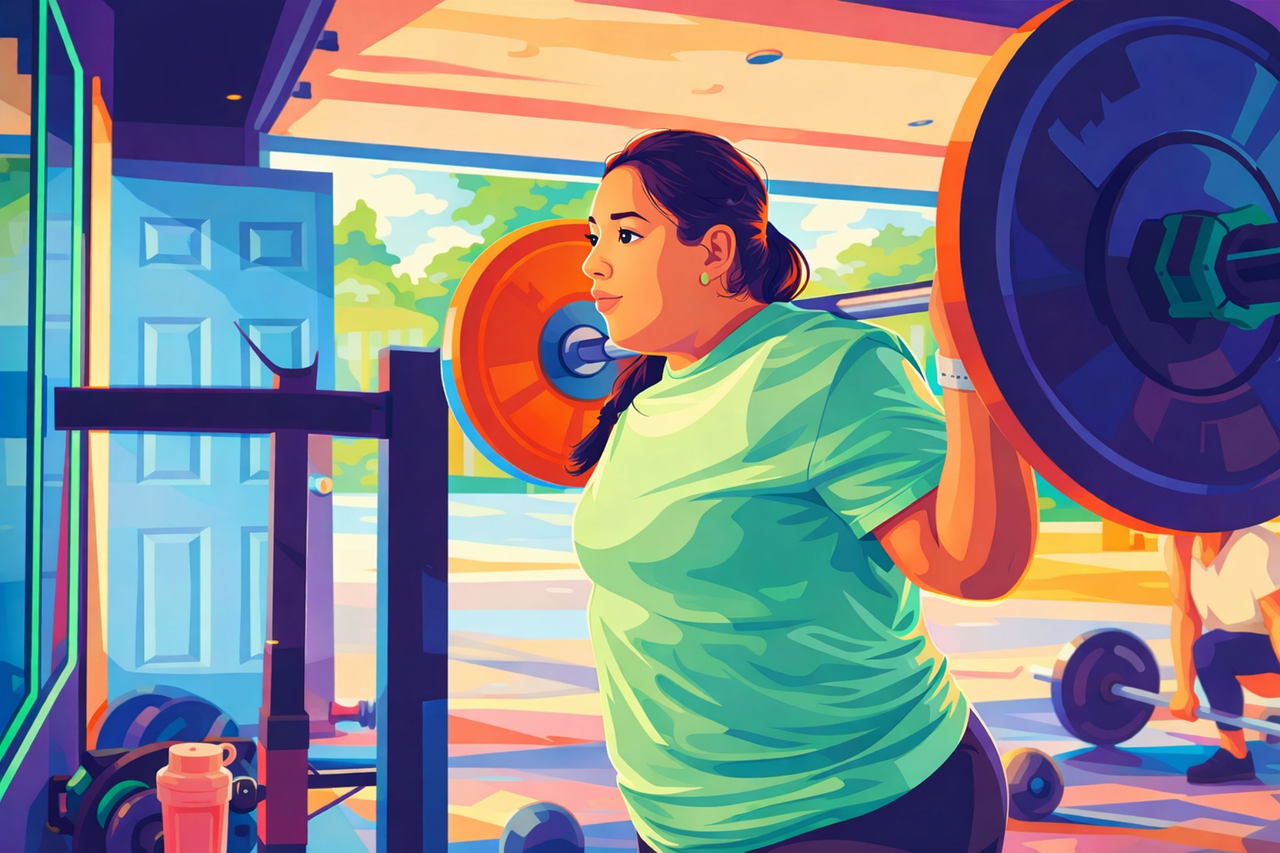
A common misconception is that women who strength train will become bulky or overly muscular. This belief often discourages women from focusing on strength training routines that can lead to optimal muscle gain. In reality, due to lower testosterone levels, women are less likely to develop large muscle bulk compared to men. Instead, strength training enhances muscle tone, definition, and overall body composition. Additionally, strength training can improve metabolic rate, leading to better fat loss outcomes, which many women desire. Moreover, women who engage in resistance training often report enhanced physical function, strength, and athletic performance. These benefits can lead to improved self-esteem and body image. Therefore, debunking myths surrounding women and strength training is essential for encouraging a more dynamic and inclusive approach to muscle gain. Coaches, trainers, and fitness professionals should advocate for strength training’s benefits among women, promoting it as a vital part of health and fitness. A gradual and sustained commitment to strength training can empower women to reach their individual fitness goals and foster positive changes, both physically and mentally.
Psychological Aspects of Strength Training
The psychological aspect of strength training is another vital element influencing muscle gain in both genders. Research indicates that motivation plays a significant role in adherence to strength training programs. Men often derive motivation from competitive environments, whereas women may seek support and community when pursuing their fitness objectives. Understanding these psychological facets can help tailor a training program that resonates with individual needs and preferences. Group training sessions for women are prevalent as they foster camaraderie and support, which can enhance enjoyment and consistency. Similarly, men may benefit from incorporating competitive elements into their training, such as challenges or long-term goals. Additionally, the fear of injury can be a psychological barrier for many individuals, preventing them from engaging fully in strength training. Addressing these concerns through proper education on safe training practices, as well as effective coaching, can help boost confidence. Both genders can overcome psychological hurdles by addressing these elements, ultimately promoting a consistent and fruitful strength training routine that leads to lasting muscle gain. Mindset coaching can also be beneficial, equipping both men and women with tools to develop a resilient and positive outlook on their fitness journeys.
In conclusion, understanding gender differences in muscle gain can provide valuable insights for effective strength training. The factors affecting muscle gain, including physiological, nutritional, and psychological aspects, are crucial for both men and women who wish to optimize their strength training results. Tailoring training programs to account for these differences can create a more inclusive and effective environment for all individuals seeking to enhance their physical capabilities. Moreover, education and awareness surrounding the realities of muscle gain can help debunk myths that deter participation. It’s important for both genders to understand that training strength does not equate to becoming excessively bulky, as muscle density and tone vary widely based on training methods. The significance of community support and motivation should not be overlooked, as these elements can foster successful adherence to training routines. Establishing a mindset focused on gradual progress and celebrating small victories can aid in sustaining long-term commitment. Emphasizing personalized training regimens and nutrition plans can maximize muscle gain potential in both men and women, promoting healthier lifestyles and improved overall physical performance. In doing so, strength training can become a powerful tool for personal empowerment.