
Functional Balance Training for Women’s Strength
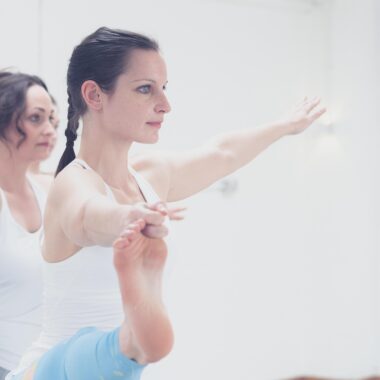
Functional balance training is an essential component of women’s fitness, focusing on enhancing strength and coordination. This type of training helps improve body awareness, which is crucial for everyday tasks. Many women often overlook the significance of balance in their workouts. However, engaging in functional exercises can lead to a well-rounded fitness routine. Balance training helps prevent falls, which is particularly important as we age. Additionally, these exercises build core strength, stability, and flexibility. Adequate core strength supports the spine and improves posture, which is essential for overall health. Women may also experience reduced risk of injury by incorporating balance training into their weekly fitness routine. A combination of strength and balance exercises allows individuals to achieve better results. Modalities such as yoga, pilates, and resistance training can harness balance effectively. Engaging multiple muscle groups during functional exercises ensures a more comprehensive workout that targets weaknesses. Furthermore, balance training is adaptable, making it suitable for women of all ages and fitness levels. Solutions include light weights or balance tools, like yoga blocks or stability balls, making it accessible as well.
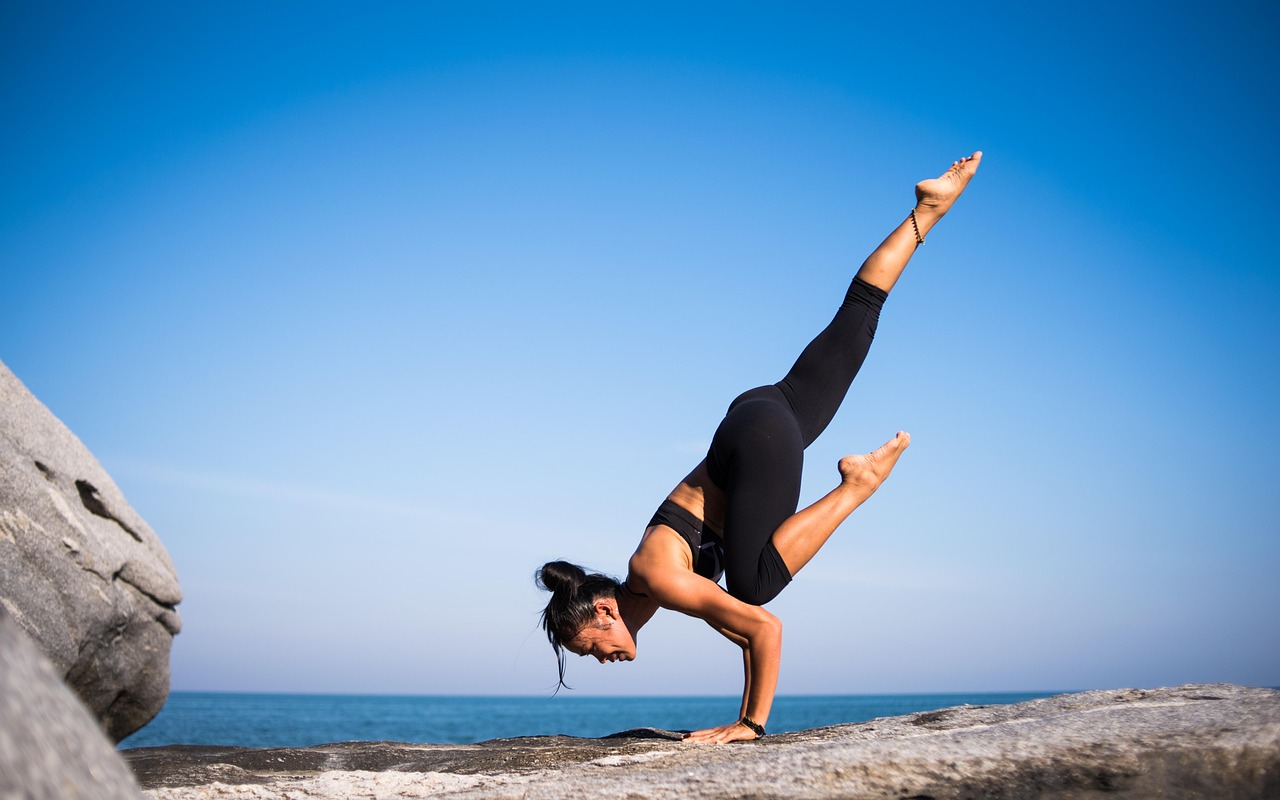
Women’s functional balance training programs can dramatically improve athletic performance. Despite the common belief that strength training is primarily for muscle building, it encompasses balance enhancement too. Athletes in various sports benefit from increased coordination and agility, which is vital for performance. Engaging in specific balance training routines enhances spatial awareness and body control, crucial elements for many sports. Bottom line: both competitive and recreational athletes must prioritize balance training. One can create balance-oriented workouts by incorporating exercises such as single-leg stands or lateral raises. Additionally, engaging with unstable surfaces can further develop one’s sense of balance, leading to improved performance. Women looking to increase their strength should not ignore the potential of these techniques. The inclusion of agility drills and dynamic movements adds variety while significantly enhancing coordination. Moreover, these workouts can be performed anywhere, making them convenient and practical. Women may also find an added motivational benefit when combining balance with other fitness classes or sessions, promoting community and support. Ultimately, functional balance training empowers women to become stronger, more confident, and capable in everyday activities and sports, equipping them with vital skills they need throughout life.
Benefits of Balance and Coordination
There are numerous benefits of incorporating balance training into women’s fitness routines. Women often encounter unique challenges regarding health and fitness throughout their lives. With balance training, the benefits go beyond aesthetics and reach functional capabilities. Improved balance can enhance daily activities such as climbing stairs, lifting objects, and playing with children. Enhanced coordination can positively influence workout efficiency, leading to better overall fitness results. Moreover, balance training can help boost self-confidence. As women perceive improved stability and strength, they feel empowered to tackle new fitness challenges and adventures. Such improvements in physical fitness can also enhance mental health, reducing anxiety and stress levels. Engaging in physical activities that challenge balance often results in improved mood and overall wellbeing. Furthermore, engaging in group classes or partner workouts fosters social interaction and relationships, an added layer of support. Many women find camaraderie and friendship in these environments, making fitness more enjoyable and sustainable. It’s important to remember that effective balance training can accommodate all fitness levels, ensuring inclusivity for all women seeking to enhance their strength and coordination in their lives.
Integrating specific exercises into a workout routine can greatly enhance balance and coordination. Women can start with simple exercises and gradually progress to more complex routines to build strength effectively. A few examples of effective balance exercises include the single-leg deadlift, tai chi, or even using a BOSU ball. These exercises not only engage various muscle groups but also promote stability and coordination. Women should always focus on maintaining proper form to maximize effectiveness and safety. Balancing on one leg exercises can be performed with variations like raising the arms or closing the eyes for an added challenge. Incorporating stability exercises develops core strength simultaneously, providing a comprehensive workout. Additionally, consider using workout partners for motivational support and check-ins regarding form. Many women may find enjoyment in sharing fitness journeys with peers. It’s essential to set personal goals and objectives while navigating these balance exercises. Tracking progress and celebrating achievements can inspire continued dedication and growth. Maintaining consistency helps reinforce skill mastery over time, leading to improved overall strength. Women should remember that starting slow and maintaining realistic goals can lead to lasting success in their fitness journeys.
Creating an Effective Balance Training Program
Creating a customized balance training program tailored to women’s specific needs is integral for effective results. Begin by assessing your current skill level and identifying any areas requiring improvement. Women can benefit from establishing a baseline measurement by performing essential balance exercises and recording results. From there, design a weekly routine incorporating various balance exercises targeting muscles and movements crucial to functional activities. Ensure workouts focus equally on both sides of the body to maintain symmetry. Varying exercises can also enhance engagement and maintain motivation over time. Consider a mix of static exercises, such as standing on one leg, and dynamic workouts, such as walking lunges. Furthermore, incorporate simple equipment for effective training, such as stability balls, resistance bands, or balance boards. This variety will challenge muscles and enhance coordination without being monotonous. Preventing plateaus is another important factor; continuously introduce new exercises or increase intensity. Regularly updating the program helps maintain engagement, enabling ongoing progress. Lastly, it’s vital to listen to the body and acknowledge any discomfort while exercising. Prioritize proper recovery to maintain a sustainable and effective functional strength balance training program for women.
In conclusion, functional balance training is a vital aspect of women’s fitness that enhances strength and coordination. Incorporating these exercises into a regular workout routine yields countless physical and mental health benefits. Increased stability translates into improved performance in daily activities, athletic pursuits, and an overall quality of life. Women can effectively create individualized strength training programs tailored to their unique goals and needs. Prioritize variety and progress to stay engaged and motivated throughout fitness journeys. Implementing balance training does not necessitate a dedicated fitness space; women can exercise anywhere, from home to parks or fitness studios. Emphasize including a mix of simple and complex movements suited for different fitness levels and preferences. Seek accountability and support from friends or group classes to make lasting lifestyle changes. Fostering these connections can strengthen both commitment and enjoyment in fitness. Ultimately, providing women with the tools to enhance their balance and coordination equips them with skills that extend beyond fitness routines. By harnessing functional balance training, women empower themselves to lead stronger, more active, and fulfilling lives for years to come.
Final Thoughts on Balance Training
The benefits of functional balance training for women are far-reaching and essential for overall well-being. By regularly incorporating balance and coordination exercises, women can dramatically improve their physical fitness and health. Emphasizing functional strength enables women to connect with their bodies effectively, which is essential for navigating life’s challenges. This powerful approach not only empowers women physically but also bolsters mental resilience. A focus on balance and coordination fosters self-awareness and confidence, creating a sense of accomplishment throughout one’s fitness journey. Additionally, engaging in community-driven workouts allows women to share experiences and create bonds that enrich the experience overall. Finding joy in the journey leads to overall health benefits, providing a solid foundation for a more active lifestyle. It’s essential to remember that while the ultimate goal may be strength enhancement, the journey of self-discovery is just as meaningful. Combining balance training with a sense of community paves the way toward achieving extraordinary successes in fitness and beyond. By understanding the importance of balance, women can take charge of their health, increasing their enjoyment and satisfaction with every step they take.
A final note: maintaining balance and coordination offers benefits beyond fitness. This vital aspect of women’s health contributes to injury prevention and improved quality of life. Engaging in functional balance training helps women build the skills necessary for daily activities, ultimately leading to independence and confidence in all aspects of life. Emphasizing the importance of balance is paramount in a world increasingly focused on strength and power. Women should view balance training as a shared priority, ensuring that it becomes a consistent part of their fitness journeys. As they connect with peers and engage in group activities, women discover the countless joys that fitness can bring. Recognizing and prioritizing balance training positions women to navigate life’s changes gracefully. Flexibility and coordination can improve with consistency and effort, leading to remarkable life enhancements. Take time to include functional balance exercises in everyday routines, promoting ongoing progress. The potential to connect strength and balance isn’t merely beneficial; it’s essential for comprehensive well-being. Striking this balance can lead to a stronger, healthier life for women everywhere, ultimately leading them toward their fitness goals and aspirations.