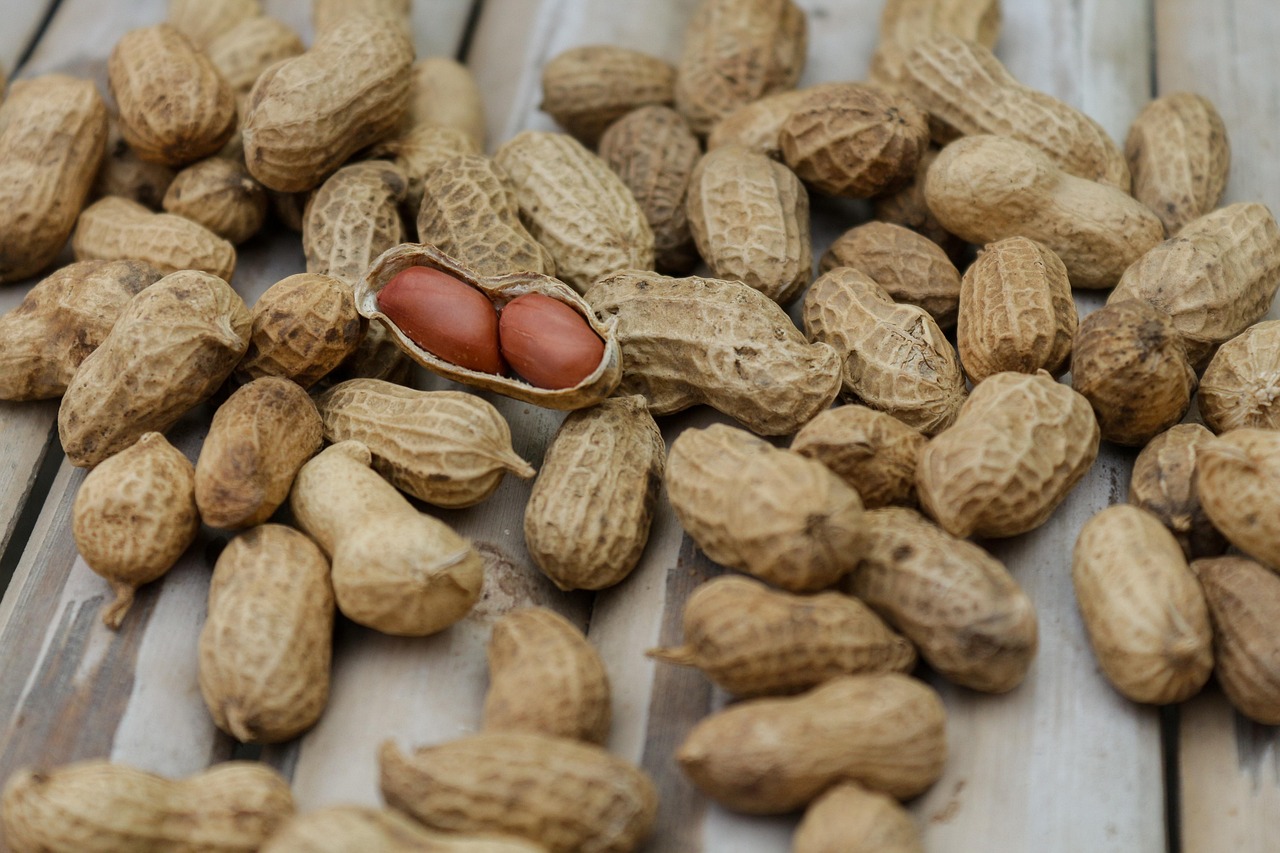

Foods to Avoid During Your Detox Journey
Starting a detox journey can be an invigorating experience, as it aims to cleanse the body of harmful toxins. However, there are certain foods that can impede your progress and disrupt the detox process. First on the list are processed foods. These often contain unhealthy additives, preservatives, and high levels of sugar, which can overwhelm your digestive system. Additionally, sugary beverages, including sodas and energy drinks, contribute empty calories and can lead to unwanted sugar cravings. Another culprit is refined grains found in white bread and pastries, which lack nutrients and fiber, making them harder for your body to process during detox.
Next, it is essential to avoid dairy products, as they may cause inflammation and may not sit well with everyone’s digestive systems. Foods high in saturated fats, like fried items and fatty meats, should also be excluded, as they slow down detoxification. Instead, focus on wholesome, organic foods that nourish the body. Alcohol is another significant factor to exclude, as it puts a burden on the liver and can hinder the detoxification process. Lastly, caffeine should be limited, since it can cause dehydration and disrupt your body’s natural rhythm. By avoiding these foods, you can significantly enhance your detox experience.
Once you understand the importance of avoiding certain foods, you can look forward to a more effective detox program. Keeping away from additives like artificial sweeteners and food colorings is also paramount. These ingredients may lead to unpleasant side effects and unnecessary cravings. It’s essential to read labels meticulously and stay informed about what goes into your body. Fibrous fruits and vegetables are a great alternative for snacking, as they help in flushing out toxins without burdening your digestive system. Additionally, remember to stay hydrated! Drinking enough water is crucial for effective detoxification and helps to eliminate waste.
The Importance of Clean Eating
During your detox journey, clean eating becomes a priority. Sticking to whole, unprocessed foods ensures that you receive the necessary nutrients while expelling harmful substances. Focusing on organic produce is also vital, as it lowers your exposure to pesticides and other harmful chemicals. Whole grains such as quinoa and brown rice can replace refined grains, providing more fiber and nutrients which aid digestion. Incorporating a variety of colored fruits and vegetables ensures that you consume a wide range of vitamins and minerals, thereby supporting your body during this cleansing stage.
Engaging in mindful consumption not only benefits your detox but offers long-term health benefits. Planning meals ahead ensures you are less tempted by unhealthy snacking options. Whole foods such as nuts and seeds provide healthy fats, making them excellent choices. Additionally, protein sources like beans or legumes stimulate your metabolism during the detox phase. Transforming the way you view food can make the whole process more enjoyable and sustainable. Keeping a detox journal may also help track your progress and encourage a positive mindset throughout your detox journey.
In conclusion, it’s vital to commit to a comprehensive approach while detoxing. This includes maintaining a balanced diet and steering clear of harmful foods. Surrounding yourself with supportive individuals who share similar health goals can be incredibly encouraging. Support groups and forums focused on detox diets are great avenues to explore for motivation and tips. Reading success stories can provide insights and inspire your journey. Identifying triggers that lead you to unhealthy food choices will empower you to resist temptations more effectively during your detox journey.
Post-Detox Considerations
After following the detox plan, you might feel significantly lighter and more energized. However, transitioning back to your regular diet must be done cautiously to maintain your health. Reintroducing eliminated foods one by one allows you to identify any that might cause adverse reactions. This way, you can be mindful of how your body responds. Continue to focus on incorporating more fruits and vegetables into your meals, as they provide ongoing health benefits.
Regular physical activity is another key aspect after detoxing. Engaging in exercises, whether walking, yoga, or high-intensity workouts, facilitates better circulation and promotes overall well-being. Combining this with adequate hydration ensures that your body stays rejuvenated. Overall, maintaining a balanced approach will help you sustain the benefits of your detox journey. Embrace this lifestyle change as a chance to improve your health and longevity, and share your experiences with others to inspire them on their path towards wellness.