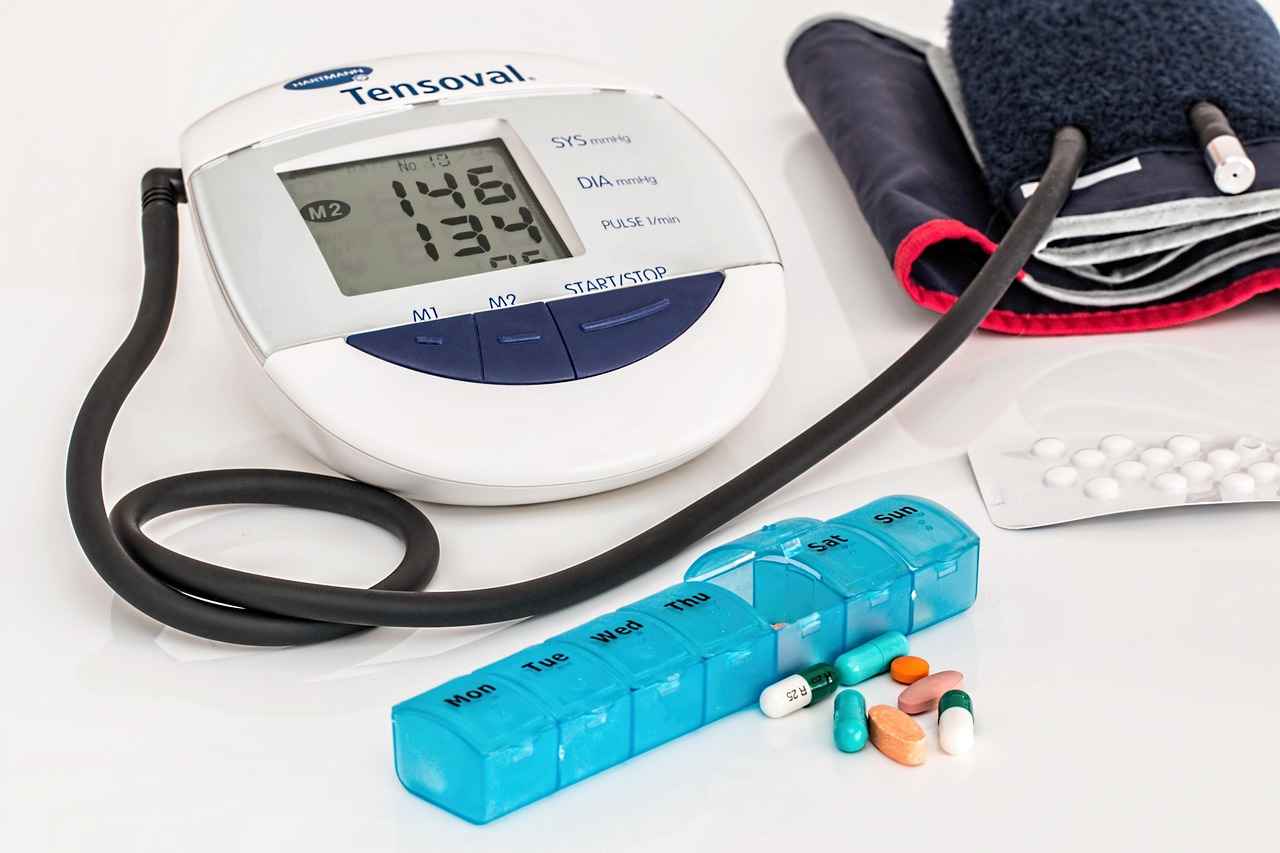

Exercise-Induced Improvements in Blood Pressure Control
Low blood pressure management can often feel daunting for individuals facing variations daily. Cardiovascular disease, a pressing global issue, can significantly affect millions of people. One pivotal question arises: how can exercise alleviate these health complications? Engaging in regular physical activity is known to be instrumental in improving heart health, making it a vital component of a comprehensive disease prevention strategy. Studies continue to emphasize the positive correlation between exercise and blood pressure control. The mechanisms through which exercise operates include improved endothelium function, enhanced blood flow, and diminishment of systemic vascular resistance. All of these factors contribute to the overall regulation of blood pressure levels. Low-impact activities, like walking or swimming, provide excellent options for those unable to engage in more strenuous workouts. Resistance training, too, can substantially influence blood pressure reduction, contributing to better overall cardiovascular outcomes. For individuals with hypertension, adopting a consistent exercise routine can result in drastic benefits, manifesting not just in lower blood pressure but also in enhanced mood and well-being. Clinicians often recommend tailored exercise plans, assuring those with cardiovascular disease receive maximum benefits.
Exercise’s multifunctional role in combating cardiovascular disease cannot be overlooked. Consistency in physical activity is proven to yield long-term benefits, particularly regarding blood pressure management. In fact, research indicates that just 30 minutes of moderate exercise most days of the week can lead to noticeable improvements. Regular exercise enhances the body’s ability to cope with physical and mental stressors, which may otherwise exacerbate hypertension symptoms. As the body adjusts to increased activity levels, beneficial adaptations take place within the cardiovascular system. Notably, arterial stiffness may decrease, and heart walls become more efficient at pumping blood. In addition to physiological changes, exercise can significantly empower individuals psychologically, fostering a sense of control over their own health. By engaging in physical activity, individuals often experience reduced anxiety and improved mood, essential elements for managing cardiovascular disease. Furthermore, exercise programs can often be tailored to individual preferences and fitness levels, making it an accessible option for many. Group classes and community-driven activities encourage not only physical participation but also social interaction, enhancing emotional support for those battling health conditions.
The Science Behind Exercise and Blood Pressure
The relationship between exercise and blood pressure regulation is deeply rooted in scientific research. Numerous studies have established that engaging in aerobic exercises significantly helps lower systolic and diastolic blood pressure among hypertensive patients. Specific modes of exercise, such as walking, jogging, cycling, and swimming, have been employed to study the effects. Aerobic activities lead to increased heart rate, promoting enhanced blood circulation. This vascular adaptability allows arteries to become more compliant, resulting in reduced pressure on arterial walls during rest and exertion. Notably, both the intensity and duration of exercise are crucial factors influencing outcomes. Intervals of high-intensity training have also shown positive results in improving blood pressure readings. Furthermore, resistance training complements these aerobic workouts by strengthening muscles and improving overall body function. In employing a multimodal approach to cardiovascular exercise, individuals can gain a comprehensive set of advantages, impacting their overall health positively. While multiple factors can contribute to hypertension, incorporating consistent physical activity into a daily routine remains one of the most effective strategies for long-term blood pressure control.
Implementing an exercise regimen is essential for those dealing with cardiovascular issues. Doctors and health professionals continuously advocate for patients to integrate physical activity into their lives as a preventative measure. Moreover, understanding the safe amount of exercise needed for various health conditions is vital for both individuals and healthcare providers. General guidelines affirm that the minimum recommendation includes engaging in at least 150 minutes of moderate aerobic activity weekly. Additionally, strength training exercises should ideally be included on two or more days per week. For those with existing cardiovascular diseases, gradual progression is crucial to avoid injury or overexertion. Therefore, creating personalized plans can help align patients’ fitness levels with their health objectives. Monitoring progress through devices or health apps is an excellent way to stay motivated. This not only helps individuals track improvements in their cardiovascular health but also reflects their commitment. Furthermore, celebrating small milestones is key in sustaining an exercise routine long term. With time and resilience, those battling hypertension will witness the rewarding outcomes linked to a steadfast commitment to exercise.
Types of Exercise Beneficial for Blood Pressure
Various forms of exercise exist that can significantly boost cardiovascular health. Aerobic exercises, such as walking, running, biking, and swimming, are all excellent choices for improving blood pressure. These activities increase the heart’s efficiency and can reduce overall body fat, thus improving blood circulation. Engaging in strength training, which is also vital for maintaining muscle and bone health, complements aerobic exercise, leading to greater cardiovascular efficiency. Stretching and flexibility exercises should not be dismissed either; they promote blood flow and improve overall fitness levels. Additionally, incorporating activities that enhance balance and coordination yields additional health benefits without adding too much strain. Participation in group exercise classes or local sports can create enjoyable social environments that motivate individuals, making exercise fun rather than a chore. Incorporating high-intensity workouts also presents a profound impact on both weight management and blood pressure reduction. This variety ensures that exercise remains engaging and diverse, helping to sustain long-term health benefits. Therefore, developing a balanced exercise regimen with various activities will promote the most favorable outcomes for improving blood pressure management.
To maximize the benefits associated with exercise-induced blood pressure control, understanding individual limits and capabilities is crucial. Individuals should not hesitate to seek professional guidance from certified trainers or medical professionals when starting an exercise program. Developing proper techniques and using appropriate equipment prevents injuries and maintains motivation. Understanding the correct way to engage in exercises helps avoid plateaus and ensures continuous improvement. Additionally, focusing on maintaining a balanced lifestyle and nutrition alongside exercise is paramount. Consuming a heart-healthy diet rich in fruits, vegetables, lean proteins, and whole grains enhances the body’s overall functionality and supports the efforts made through exercise. Attention to hydration levels is also essential, particularly during physical activity. Plenty of water before, during, and after workouts aids in recuperation and maximizes performance. As relationships between exercise, health, and quality of life are continuously explored, the importance of a holistic approach remains evident. Ultimately, creating a healthful environment within which individuals can thrive will yield the greatest success rates in combating cardiovascular disease and managing blood pressure effectively.
Conclusions and Recommendations
In conclusion, exercise significantly impacts blood pressure management and overall cardiovascular health. While the journey may differ for everyone, instilling a consistent exercise routine will yield valuable returns in health outcomes. Awareness of the types of exercises that effectively benefit heart health is paramount in selecting preferences that excite rather than discourage individuals. Additionally, appreciating the science behind exercise and its role in hypertension management empowers individuals more. Adopting a proactive mentality toward health reigns supreme in reversing cardiovascular issues. Those managing high blood pressure should feel increased confidence in knowing numerous pathways lead to achieving and maintaining better health outcomes. Collaborating with healthcare providers leads to understanding best practices for exercise. Simple yet meaningful changes can lead to profound results, enhancing longevity and quality of life. Finally, encouraging family and friends to engage in exercise routines collectively fosters positive change in communities. The collective effort toward better health nurtures an environment where cardiovascular disease can be diminished. Therefore, committing to an active lifestyle should be viewed not merely as a suggestion, but as an essential foundation for achieving optimal health.