
Equipment-Free Strength Training Exercises
Strength training is an essential component of fitness that helps build and maintain muscle mass. Many people think they need equipment to achieve effective strength training routines. However, you can engage in various exercises that require no equipment, making them accessible to almost anyone. These exercises can be performed anywhere, anytime, allowing for flexibility in your workout routine. By leveraging your body weight, you can create resistance that challenges your muscles. This is particularly useful for beginners who are just starting their fitness journey. Furthermore, bodyweight exercises often encourage better form and technique. They also promote functional strength, which is essential for everyday activities. By incorporating exercises like squats, push-ups, and lunges into your routine, you can effectively target different muscle groups without the need for weights. Whether at home or outdoors, these exercises can offer intense workouts. Additionally, they can easily fit into any schedule, requiring only a few minutes. To get started, aim to perform a series of different exercises consistently and gradually increase the difficulty by changing angles or rep counts.
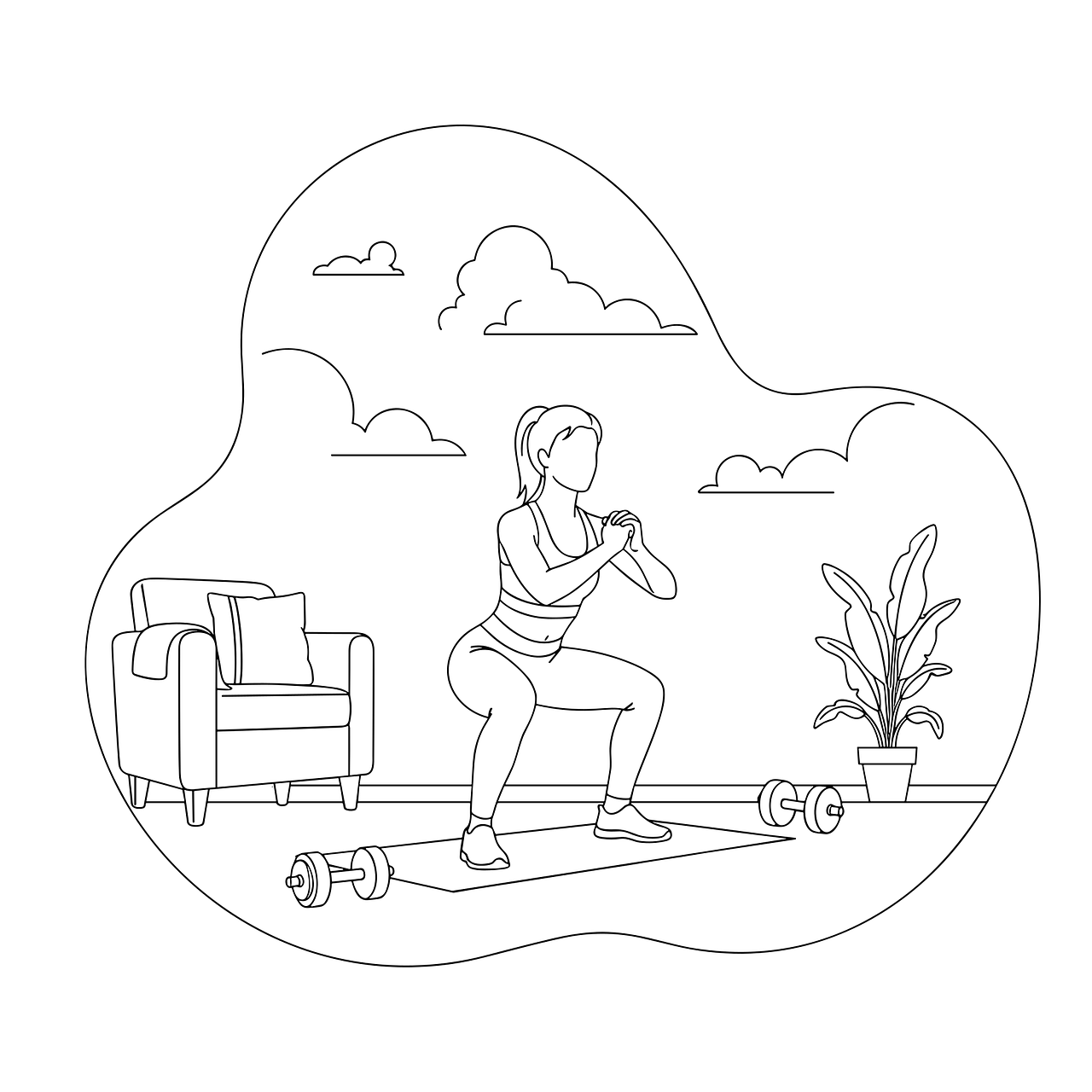
Some effective bodyweight exercises can help tone your muscles while improving strength over time. **Push-ups** are fantastic for targeting the chest, shoulders, and triceps. If you find them challenging, you can modify them by doing knee push-ups or incline push-ups. **Squats** are another excellent exercise that strengthens the lower body, particularly the legs and glutes. Ensure that your knees do not extend beyond your toes during the movement for safety. Another powerful option is the **plank**, which engages multiple muscle groups, including the core, shoulders, and back. Start with shorter durations and gradually increase your hold time. You may also consider lunges, which effectively work the quadriceps and hamstrings and can be performed in various directions to increase difficulty. **Burpees** are high-intensity moves that combine strength training and cardio, making them highly efficient for burning calories. Ensuring good form is crucial for each exercise to prevent injury and maximize effectiveness, so maintain a controlled tempo throughout each repetition. Finally, consider adding a **cool down** and stretching routine after your strength training to promote recovery.
Creating a Balanced Routine
To see the best results from equipment-free strength training, it is vital to develop a balanced routine. Aim to target different muscle groups; this not only helps to build overall strength but also minimizes the risk of injury. A common approach is to create a split routine, focusing on upper body exercises one day and lower body on another. Alternatively, you can incorporate a full-body workout by including exercises that engage multiple muscle groups at once. This could mean designing circuits that include a variety of movements such as push-ups, lunges, squats, and planks, done in succession without rest. Additionally, aim to include both strength-building and flexibility-enhancing exercises. Integrating stretches and mobility work helps in recovery and ensures you maintain a full range of motion. As you progress, consider increasing the intensity of your workouts by adding variations of each exercise. One option is increasing the time under tension by slowing down the movement or increasing the repetitions and sets. Download a dedicated fitness app or follow online instructional videos for guidance and motivation.
Consistency is critical when it comes to seeing results in strength training. Establishing a regular workout schedule will significantly contribute to your progress. Aim for at least two to three sessions each week, gradually increasing frequency as your fitness level improves. To maintain motivation, mix up your workouts to keep things exciting. Consider adding cardiovascular exercises, such as jogging or cycling, to build endurance alongside strength training. This collaboration between muscle strengthening and cardiovascular conditioning can lead to better overall fitness. Engaging in bodyweight exercises can also enhance cardiovascular fitness by incorporating higher-intensity intervals into your routine. When you make maintaining a consistent schedule easy, your chances of sticking with it further increase. This could mean setting aside a specific time each day solely for working out. Utilizing a workout journal or fitness tracker can help you keep the momentum going by allowing you to observe your progress and achievements over time. Make sure to listen to your body and adjust the intensity or volume as needed.
Preventing Injury
When performing bodyweight exercises, proper form and technique are crucial for preventing injuries. Prioritize learning the correct way to perform each exercise before increasing volume or intensity. Start with fewer repetitions and focus on your mechanics. If you notice discomfort or pain, stop the exercise and assess your form. In case of more severe pain, consider consulting a fitness professional or doctor. Moreover, warming up before your workout can significantly reduce the risk of injury. A well-rounded warm-up should include dynamic movements that gradually elevate your heart rate and enhance flexibility. Likewise, cooling down after exercise is equally important, helping your body transition back to a state of rest. During the cool-down, incorporate static stretching to improve flexibility and relieve any muscle tightness. Additionally, integrating rest days into your routine enables muscle recovery, allowing you to avoid overtraining. Listening to your body is essential; if you feel fatigued or experience persistent discomfort, consider taking an extra rest day. Stay aware of your limits and choose appropriate modifications when necessary to maintain a safe exercise environment.
The benefits of equipment-free strength training extend beyond physical fitness. It can be a great way to enhance your mental health, promoting feelings of accomplishment and reducing stress. As you master different exercises and see improvement in your strength and endurance, you may experience increased confidence and self-esteem. Additionally, this type of training can improve your functional fitness, allowing you to perform daily tasks with ease. Simple movements such as lifting groceries or getting up from a chair are enhanced through strength training. Moreover, because bodyweight exercises can be done anywhere, they offer a convenient way to stay active while traveling or at home. Furthermore, harnessing your body weight can create a mind-body connection, allowing you to appreciate your body’s capabilities. Emphasize mindfulness during your workouts, focusing on controlled movements and your breath. To ensure effective results, always establish specific goals for your strength training journey, whether it’s improving your physique or enhancing your athletic performance. Regularly revisiting and adjusting your goals allows for continuous progress. Seek the support of a community or friends to motivate and encourage each other in this fitness journey.
Adapting Your Training as You Progress
As you delve deeper into equipment-free strength training, it’s essential to adapt your routine based on your progression. Assess your current fitness level and make adjustments to both the difficulty of the exercises and the overall volume. Consider changing the tempo of your movements to make them more challenging. For instance, performing slow, controlled push-ups increases the time under tension and promotes further gains in strength. Additionally, try incorporating advanced variations of standard exercises to keep progressing. For example, single-leg squats can challenge your balance and strength more than regular squats. Implementing supersets, where you perform two exercises back to back without rest, can also amplify the workout’s intensity. Monitor how your body responds to these changes and adapt accordingly. Incorporating some high-intensity interval training (HIIT) can also enhance your strength workouts while providing cardiovascular benefits. Adding this variety not only keeps your workouts fresh but also helps prevent plateaus, ensuring you continuously forgo stagnation in your progress. Finally, as you advance, consider integrating more challenging routines within your skills to keep pushing your limits and achieving new milestones.
Always remember that fitness is a lifelong journey, and it’s crucial to find enjoyment in your strength training regimen. If you discover that certain exercises don’t cater to you, feel free to modify or substitute other alternatives. Consistency and patience will yield results over time. Take time to celebrate small achievements along the way; these moments of success can help to sustain motivation and increase adherence to your training plan. Use social media to share your journey, or connect with like-minded individuals who can inspire and support you. Staying connected within a community encourages accountability and offers a valuable support network. Find resources that provide variety and education about bodyweight exercises and unconditional fitness. A well-designed training plan, along with variety and intensity adjustments, can lead to continuous improvement and satisfaction in your journey. Lastly, don’t forget to have fun with your training. Trying new movements, and even playful exercises, can keep your approach fresh and enjoyable. Your fitness goals will remain attainable when approached with a positive and engaging mindset, making equipment-free strength training an empowering experience.