
Coordination Skill Development in Children
Coordination skills are vital for children and play an important role in their overall development. These skills encompass a range of physical activities that require the precise control of movements and bodily functions. Developing coordination in children helps them perform tasks smoothly and aids in effective participation in sports and games. Various engaging activities can enhance children’s coordination skills. Activities like jumping rope, playing catch, and dancing can establish strong foundational skills. Parents and educators can use these activities to create enjoyable and safe environments where children can practice their coordination skills. When children engage in these activities, they also build confidence and learn the value of teamwork and social interaction. Furthermore, developing coordination adjusts their spatial awareness, enabling them to navigate their surroundings confidently. Assessing coordination skills can involve observing a child’s ability to perform specific tasks and their progress over time. A consistent practice routine is essential, along with positive reinforcement from adults to encourage further skill development. Tracking improvements helps parents and educators tailor activities to each child’s needs and abilities, which is fundamental for effective learning.
Importance of Coordinated Movements
Coordinated movements incorporate various physical skills that allow children to perform complex motions effectively. These skills include balance, agility, and strength, all of which are essential for daily activities. As children grow, coordinated movements play a crucial role in their ability to engage in sports and recreational activities. When children develop these skills, they not only excel physically but also enhance their cognitive abilities, as motor skill development is closely linked to brain function. Improved coordination helps children to achieve academic success by establishing a strong connection between physical and mental processes. Moreover, this development fosters self-esteem as well, as children feel proud of their physical accomplishments. Engaging in sports and physical activities nurtures social relationships and teamwork skills, as children learn to collaborate and communicate effectively with their peers. Ongoing practice ensures that children build upon previous skills while discovering new ones. Regular involvement in coordination-related activities can lead to greater health benefits, combating childhood obesity and inactivity. Thus, prioritizing coordination skill development during childhood lays the foundation for a lifetime of healthy habits and active living.
A comprehensive assessment is necessary to identify each child’s coordination skill level. Observational assessments can be employed to evaluate performance during various play activities. Parents can initiate simple assessments at home by observing tasks like jumping, catching, and throwing. Special attention should be given to factors such as timing, control, and overall performance. Additionally, educators can implement structured assessments within physical education programs. Utilizing standardized tests can provide insights into the children’s abilities compared to peers. Teachers should utilize measures that account for age-appropriate expectations to ensure fair evaluations. Feedback from these assessments should be constructive, highlighting strengths and areas for improvement. Adopting a growth mindset can help motivate children to strive for personal bests. Further, fostering a supportive environment encourages children to embrace challenges and reduce frustration. Regular assessment intervals allow for goal setting, providing children practical objectives to achieve over time. Such an approach lays the groundwork for sustained improvement and mastery of coordination skills. Overall, thorough assessments not only gauge skill levels but also promote the importance of physical activity in children’s lives.
Activities to Enhance Coordination
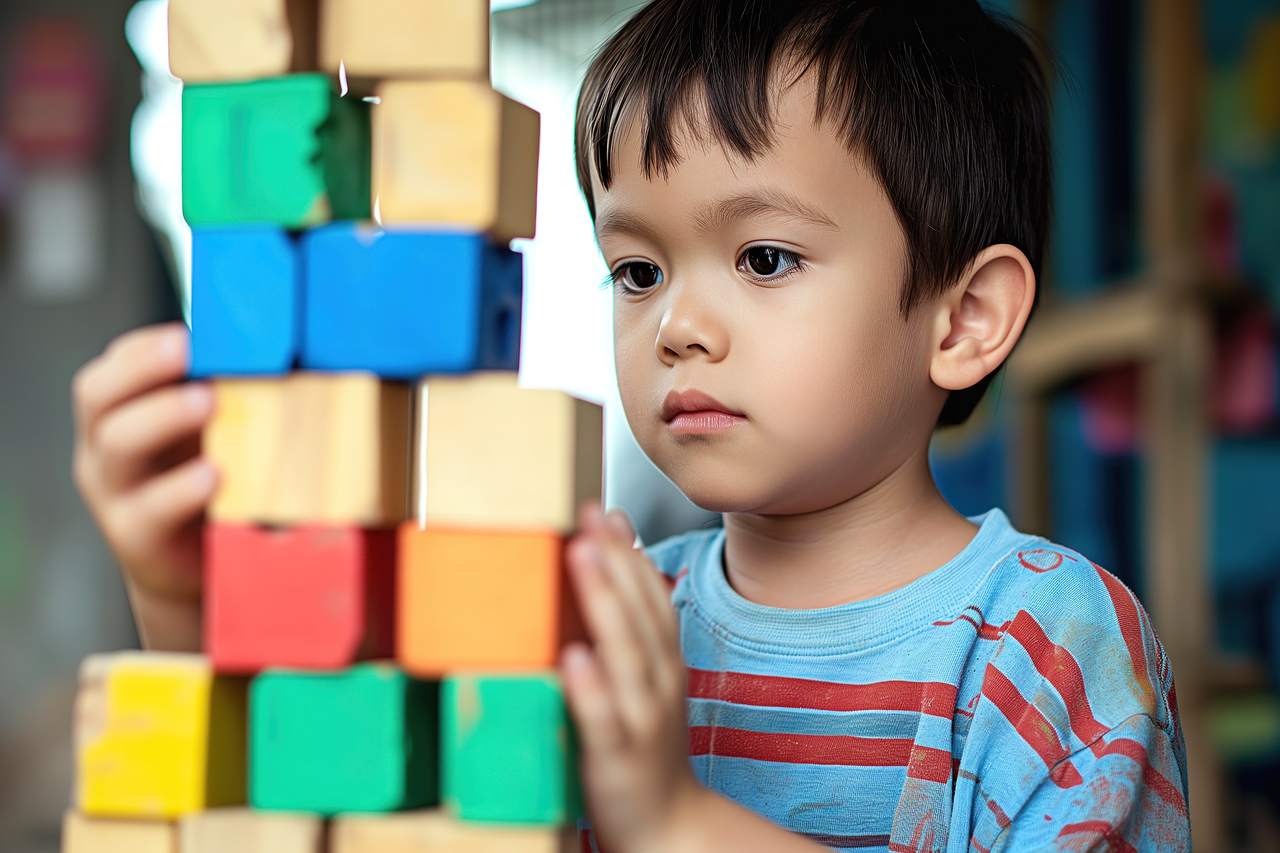
Incorporating a variety of activities into a child’s routine can significantly boost their coordination skills. Engaging in sports such as soccer, basketball, or gymnastics can provide excellent opportunities for those motor skills to develop. Simple games like hopscotch, Simon Says, or obstacle courses promote fun while teaching critical coordination principles. Dance classes, which require rhythm and timing, also greatly enhance coordination by allowing children to express themselves creatively. Activities involving manipulation of objects, such as juggling or playing with building blocks, promote hand-eye coordination and provide a challenge for precision-based movements. Additionally, using props like balance beams or agility ladders can create greater engagement and excitement. Parents and teachers are encouraged to adapt activities based on a child’s age and skill set to avoid frustration. Encouraging teamwork during these activities not only aids coordination but also fosters social interactions and support among peers. Routine participation fosters a sense of accomplishment and persistence as children improve over time. Balancing structured and unstructured play helps children learn at their own pace while developing vital coordination skills.
Creating a conducive environment for coordination training is essential for children’s success. Designating safe, open spaces for practice can allow children the freedom to explore and develop their movement skills. Parents and teachers should minimize distractions while encouraging exploration and creativity. Ensuring access to a variety of materials can motivate children to engage with their surroundings. Simple items like balls, cones, and ropes can facilitate numerous coordination-based games and activities. Encouraging outdoor play, whether in parks or backyards, provides children with opportunities to experiment with balance and coordination naturally. Engaging with peers during activities allows them to learn from one another and share experiences, creating a support network. Additionally, parents and educators should celebrate achievements, no matter how small, to foster motivation and a positive mindset. Building relationships with physical activity can contribute to lifelong engagement and health benefits. Ongoing communication about the importance of physical skills can lead to increased awareness and dedication toward improvement. Establishing long-term physical activity habits is essential to children’s overall well-being and development.
Benefits of Coordination Development
The development of coordination skills in children brings forth numerous benefits beyond physical abilities. As children refine their coordination, they often experience improved self-esteem and confidence levels. This newfound confidence can lead to increased participation in physical activities and sports, fostering a healthy, active lifestyle. Additionally, coordination development contributes to better academic performance, as efficient motor skills enhance focus and concentration. Improved coordination also nurtures peer relationships, as children engage in cooperative play and team sports, fostering essential social skills. Beyond the immediate physical advantages, coordination skills can translate into increased creativity as children explore different ways to interact with their environment. The various forms of coordination training, including dance and sports, also promote resilience and adaptability in facing challenges. Parents and educators must recognize these benefits and integrate coordination skill-focused activities into children’s lives from an early age. Ultimately, developing these skills ensures that children are better equipped for future endeavors, both physically and socially. Overall, investing time and resources into coordination skill development yields long-lasting advantages that extend well into adulthood.
Parents and teachers can play a pivotal role in nurturing coordination skill development during childhood. Encouragement and positive reinforcement help create a supportive atmosphere that fosters skill-building and exploration. Setting realistic goals enables children to understand the importance of patience and perseverance in mastering coordination tasks. By providing constructive feedback, adults can guide improvements while celebrating successes to boost motivation. Incorporating play-based learning enhances engagement and enjoyment, allowing children to develop skills without the pressure of traditional instruction. Offer opportunities for cooperative activities that require teamwork to enhance peer interactions, focusing on collaboration over competition. Sharing knowledge about the benefits of coordination can inspire children to pursue improvements actively. Moreover, adults should express the value of a healthy lifestyle and its connection to physical activity. Encouraging regular participation in physical activities, regardless of skill level, lays the foundation for lifelong fitness habits. Lastly, parents and teachers can serve as role models by participating in playful activities themselves, demonstrating a commitment to healthy living and skill development. Encouraging a love for active lifestyles will set children on a path towards becoming healthy, confident adults.