
Breathing Exercises to Combat Stress and Improve Health
Stress has become a common part of modern life, significantly impacting our physical and mental well-being. Chronic stress can lead to numerous health issues, including heart disease, diabetes, and sleep disorders. Managing stress through various techniques is essential for overall health. One effective approach is practicing breathing exercises. These exercises not only promote relaxation but also help reduce anxiety symptoms and lower stress levels. By taking control of your breath, you can enhance your body’s ability to deal with stress, leading to better health outcomes. Creating a routine that incorporates these exercises can further support your effort in managing stress and improving your health. Mindful breathing techniques can help center your thoughts and promote tranquility. Over time, focusing on your breathing during stressful periods can help train your body to respond to stressors in a more controlled manner. This will improve your resilience against stress and chronic illness. Incorporating deep, intentional breathing patterns makes it easier to manage stress-induced reactions, providing a sense of calm and clarity. Let’s explore specific breathing exercises that can have a profound impact on your health and stress levels.
Understanding Breathing Techniques
Breathing techniques vary widely; however, they generally aim to promote relaxation and focus the mind. Diaphragmatic breathing, often known as abdominal or deep breathing, is one of the most beneficial. This technique involves inhaling deeply through your nose, expanding your diaphragm rather than your chest. Hold the breath for a few seconds, then slowly release it through your mouth. Practicing this technique several times a day can significantly lower stress levels. Another effective method is the 4-7-8 technique, which includes inhaling through the nose for four seconds, holding for seven seconds, and exhaling through the mouth for eight seconds. This method has been shown to help with anxiety, promoting a state of calmness. The box breathing technique is also popular among individuals who wish to enhance focus and performance. This involves inhaling for four seconds, holding for four seconds, exhaling for four seconds, and holding again for four seconds. Research indicates that regular practice strengthens the diaphragm, increases lung capacity, and promotes relaxation. Not only do these techniques relieve stress, but they can also positively affect chronic illness management. A relaxed mind and body allow for better healing and recovery.
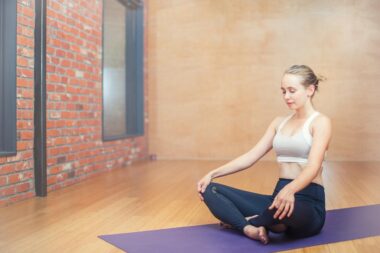
Adding breathing exercises to your daily routine can truly transform how you manage stress. Setting aside just a few minutes each day for dedicated breathing practice can lead to significant health benefits. Whether you choose to practice in the morning to start your day positively or in the evening to unwind, consistency is key. To get started, find a comfortable seated position in a calm environment. Close your eyes and focus solely on your breath, noticing its natural rhythm. Gradually take deeper inhales, filling your lungs, followed by complete exhales. Incorporating these practices can enhance your body’s relaxation response over time. Furthermore, engaging in group classes or workshops on breathwork can provide additional motivation and community support. Many wellness centers offer guided sessions led by trained instructors. Participating in these sessions not only enhances your techniques but also connects you with others facing similar challenges. Using apps or online resources for guided breathing exercises can be beneficial as well. Consistent practice will help train your mind and body to recognize when stress arises, allowing you to apply these techniques and promote a calming effect instantly.
The Role of Mindfulness in Breathing
Mindfulness plays a crucial role in enhancing the effectiveness of breathing exercises. Combining mindfulness with breathing helps individuals become more aware of their thoughts and feelings without judgment. This heightened awareness allows you to notice stress triggers and manage them better. By focusing on your breath, you anchor yourself in the present moment, reducing the tendency to dwell on past anxieties or future worries. Mindful breathing encourages awareness of both physical and emotional sensations, promoting a sense of calm. When you feel overwhelmed, shifting your attention to your breath can create a mental space to reflect and respond rather than react. Integrating mindfulness techniques enhances the benefits of breathing exercises, allowing you to foster a more profound sense of peace over time. Meditation practices can also complement your breathing routine. Engaging in regular mindfulness meditation enhances your ability to stay calm during stressors that may otherwise lead to intense emotional responses. Overall, incorporating mindfulness into your breathing exercises fosters a holistic approach to combating stress and managing chronic illness more effectively, leading to a healthier, more balanced life.
Another effective aspect of breathing exercises is their adaptability to various situations and needs. You can practice these techniques almost anywhere—at work, during commutes, or at home. Whenever you feel stress building, take a moment to advocate for yourself by prioritizing your wellbeing. You can perform deep breathing exercises discreetly at your desk, allowing yourself a quick reset during busy hours. Listening to calming audio or practicing guided meditations can help anchor these moments of respite. Research suggests that even short periods of being mindful can yield significant health benefits, positively impacting your immune response and reducing inflammation. Being consistent with your breathing exercises can condition your body to better handle stress over the long term. This is crucial for individuals dealing with chronic illnesses, as managing stress directly affects physical health. Establishing a supportive environment—perhaps through meditation apps or wellness resources—can encourage continuous practice. Sharing your journey with friends or family who understand your goals and challenges can also foster accountability. In time, integrating these practices into daily life will lead to a more resilient mind and body, ultimately enhancing personal health outcomes.
Long-Term Benefits of Consistent Practice
The long-term benefits of dedicating time to breathing exercises are profound and far-reaching. Regular practice not only enhances immediate stress relief but also contributes to improved mental clarity and emotional stability over time. Studies show that individuals who engage in breath-focused practices regularly experience lower anxiety levels and greater emotional regulation. This consistency can lead to better coping mechanisms when facing stressful situations, making it easier to navigate life’s challenges. Furthermore, breathing techniques can aid in lowering blood pressure and stabilizing heart rates, crucial for individuals managing chronic illnesses. Developing a strong connection between mind and body through dedicated breathing can diminish the psychological burden often associated with physical health issues. These practices can enhance overall life quality and relationships with others by fostering a sense of peace and relaxation. This newfound clarity and emotional strength may enable healthier conversations and connections. Developing a personal practice allows for adaptability in your routine, tailoring exercises to your lifestyle needs. Finally, setting goals and tracking progress can reinforce your commitment to these exercises, inspiring growth and resilience in stress management. Over time, these practices will empower you to handle life’s uncertainties with confidence.
In conclusion, integrating breathing exercises into your daily routine can significantly impact your stress levels and overall health. By practicing different techniques regularly, you can cultivate a deeper understanding of your body’s responses to stress. It’s essential to explore various approaches to find which suits you best. Incorporating mindfulness alongside breathing exercises helps ground you in the present moment while enhancing relaxation. Additionally, being adaptive to changing circumstances ensures ongoing engagement with these practices, allowing for growth and more profound emotional resilience. Families, friends, and communities can also benefit from encouraging one another in these endeavors. Sharing techniques, resources, or simply taking a few moments together to breathe can foster collective well-being. Remember, reducing stress is not just a personal journey but rather a communal one that can encourage overall healthier environments. Your consistent efforts in incorporating breathing exercises will pave the way for a happier, more balanced life. Ultimately, the goal is to empower yourself in managing stress and chronic illness while promoting emotional and physical health. Take the first step today by choosing a breathing exercise that resonates with you and commit to it by practicing when necessary.