
Virtual Reality Fitness Games: Fun Alternatives to Traditional Exercise
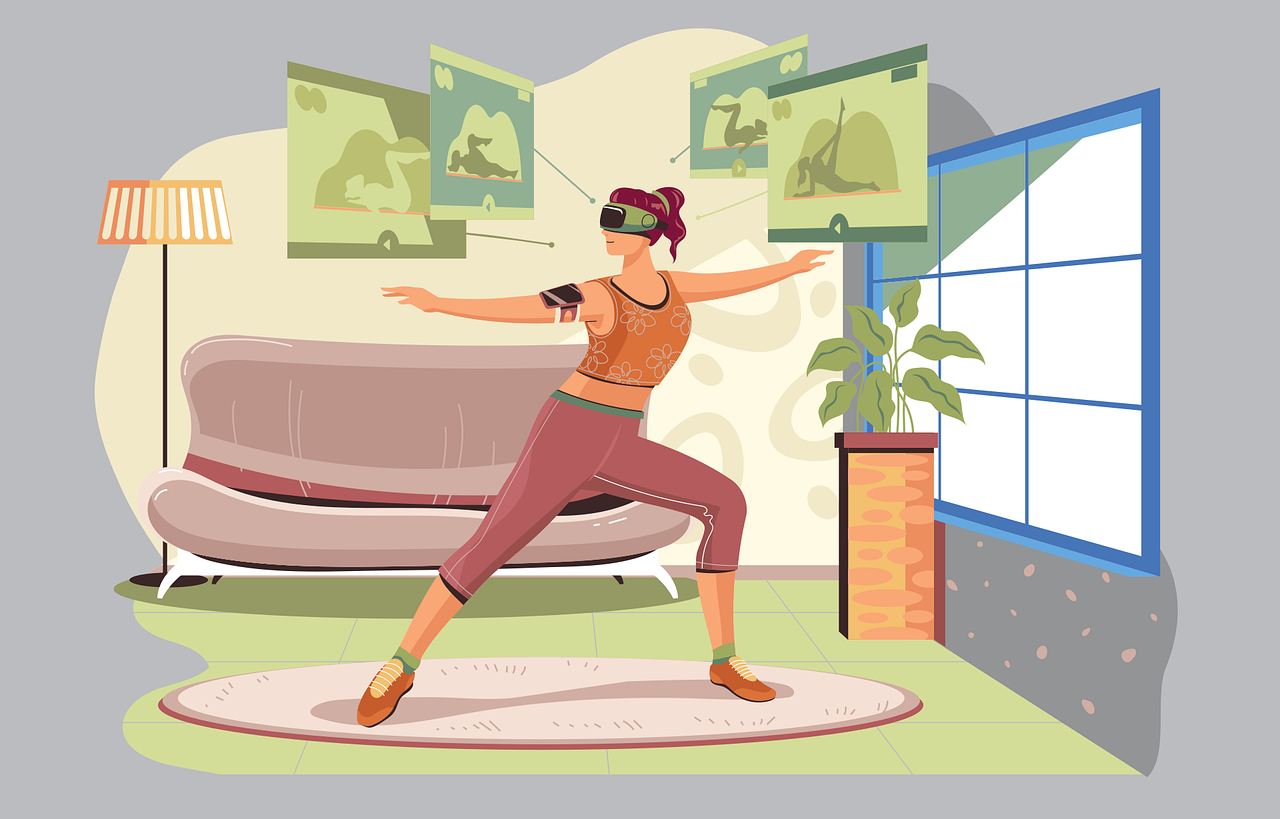
Virtual reality (VR) fitness games are rapidly changing the way people perceive exercise. These innovative applications blend gaming and workouts, making physical activity more engaging. Designed to keep users motivated, VR fitness apps provide immersive experiences that can be enjoyed alone or with friends. Examples of popular VR fitness games include Beat Saber and Supernatural. The social aspect of these games allows users to connect with others, creating a supportive community. As technology advances, developers continue to improve the quality and diversity of VR fitness offerings. Moreover, these interactive environments help individuals work out while having fun, which is often crucial for sustained engagement. Additionally, VR fitness apps are suitable for various fitness levels, accommodating beginners to advanced users. They offer customizable routines and challenges, ensuring you can find a suitable workout for your goals. With their capacity to transport users to exciting worlds, VR fitness games offer a unique solution for those struggling to stay motivated in traditional workout settings. This integration of fitness with VR technology is proving to be a game-changer in personal wellness journeys.
The effectiveness of VR fitness games is evident in both physical and mental health benefits. Engaging in these immersive workouts helps improve cardiovascular health, strength, and flexibility. In addition, users experience enhanced mental focus while participating in virtual environments, which encourages them to push their limits. Studies suggest that VR workouts may lead to better adherence to fitness routines than traditional exercise methods. This can be attributed to the entertaining nature of the games, which helps distract users from physical exertion. Furthermore, the sense of achievement players experience upon completing challenges or reaching milestones further reinforces their dedication. Social interaction within these platforms also fosters accountability among participants, motivating them to stick with their fitness goals. Multiple workouts are available, ensuring that everyone can find an activity they enjoy. The visualization of progress through metrics and rewards adds another layer of enjoyment and encourages continuous improvement. Virtual reality fitness apps can appeal to different demographics, including children, adults, and seniors. By merging technology and fitness, these applications present a revolutionary approach that drives well-being and improves overall lifestyle choices.
Popular VR Fitness Games
The variety of VR fitness games available on the market today is impressive, catering to different preferences and fitness levels. Titles such as Beat Saber have gained immense popularity thanks to their rhythm-based gameplay, allowing players to slice through blocks while keeping time with the music. Another engaging option is BoxVR, which offers boxing-style workouts led by expert trainers. These workouts emphasize technique and cardiovascular fitness, making it an ideal choice for those wanting an intense experience. For fans of dancing, Dance Central VR combines music and movement into a fun workout, promoting enjoyment while getting fit. Supernatural is another standout title, providing full-body workouts set in stunning, immersive environments. With a diverse library of songs and expertly crafted routines, users are kept engaged and challenged. Additionally, VR fitness games are continuously updated, offering fresh content and experiences to keep users coming back. Collaborative experiences enhance the appeal, as players can join friends for workout sessions. Whether it’s dancing, boxing, or more, there’s an option available to meet almost every interest. As a result, these games help users build healthy habits while having an enjoyable time.
One of the key advantages of VR fitness games is their ability to cater to diverse fitness levels. Many platforms allow users to adjust the difficulty settings based on their personal preferences and abilities. This customization makes fitness accessible to everyone, from novice to expert athletes. Beginners can gradually build their skills and confidence, while advanced users can challenge themselves with more complex routines. Moreover, VR fitness games often provide comprehensive tutorials to ensure players can learn the basics before diving into full sessions. This step-by-step approach is essential for minimizing the risk of injury and ensuring a safe working environment. Alongside adjustable difficulty levels, in-game feedback is provided, helping players understand their strengths and areas for improvement. This data-driven approach encourages users to pursue their progress, fostering a sense of accomplishment and motivating them to continue exercising. Creatively designed virtual worlds serve not only to entertain but also to inspire individuals to pursue healthy lifestyles. With VR technology, the experience is far more engaging than traditional workouts, allowing users to maintain motivation and commitment to achieving long-term fitness goals.
Benefits Beyond Fitness
In addition to physical fitness, VR fitness games offer considerable mental health benefits. Engaging in these immersive experiences helps alleviate stress and anxiety, promoting a positive outlook on life. The concentration required to succeed in gameplay can serve as a form of mindfulness, helping individuals rid their minds of daily worries. Moreover, exercising in a fun virtual environment encourages the release of endorphins, often referred to as ‘feel-good’ hormones. This chemical reaction can lead to improved moods and overall mental health. The enhanced social interaction through multiplayer modes also fosters relationships between users. Connecting with others in fitness communities cultivates a sense of belonging, which is crucial for emotional well-being. Players can encourage each other and share their experiences, creating a supportive environment for personal growth. Additionally, many VR fitness games include meditation and relaxation exercises, promoting mindfulness and stress relief. The all-inclusive nature of VR workouts ensures that participants can enhance both their physical and mental health simultaneously. This dual-focus approach can contribute to long-lasting lifestyle changes as users adopt healthier habits both physically and mentally.
Safety remains a primary concern for users engaging in VR fitness activities. While these games provide innovative workouts, it’s essential to prioritize safety to prevent injuries. Ensuring adequate space while exercising is crucial for avoiding collisions and accidents. VR systems typically recommend a predetermined play area, but users should double-check their surroundings to eliminate potential hazards. Additionally, using appropriate equipment, such as wrist straps or mats, can enhance safety while exercising. It is also important to take breaks during workouts, as overexertion can lead to fatigue or discomfort. Listening to one’s body while exercising is fundamental, particularly when trying new activities. New users may want to limit their workout sessions to adjust to the VR environment before jumping into longer routines. Moreover, educating oneself about how to land or move safely in VR games adds an extra layer of protection. Developers are consistently working on improving safety features in VR apps, which is vital for user experience. By cultivating awareness of potential risks and adhering to safety guidelines, players can enjoy the full benefits of VR fitness without compromising their well-being.
The Future of VR Fitness
The future of VR fitness apps appears bright. As technology continues to advance, new features and opportunities will emerge to enhance user engagement and experience. The potential for augmented reality (AR) integration alongside VR also presents exciting prospects. This combination could help create gameplay experiences that blend the real world with immersive simulations. Personalized AI-generated workouts might become an integral part of VR fitness, adapting routines based on individual needs, preferences, and performance metrics. Moreover, increased accessibility for various demographics will likely continue to develop, expanding the user base further. The cross-platform compatibility of VR fitness games can also lead to a more extensive, connected community of fitness enthusiasts. As local gyms and studios start incorporating VR technology into their offerings, users can benefit from hybrid workouts that combine the benefits of both virtual and physical environments. Health professionals may begin to explore VR’s therapeutic benefits, including rehabilitation and treatment for various health concerns. The ongoing growth of the VR fitness market will ensure players have a wide range of options to maintain their motivation while pursuing a healthier lifestyle. In summary, VR fitness represents a groundbreaking revolution that is only getting started.
In conclusion, virtual reality fitness games provide an effective solution for individuals seeking enjoyable ways to get fit and stay active. With engaging gameplay, customizable routines, and diverse options to suit different interests, VR fitness is now a preferred alternative to traditional workouts. Users are not only improving their physical health but also fostering positive mental wellbeing through these immersive experiences. As advancements in technology expand the possibilities, both fitness enthusiasts and newcomers can benefit from the evolving landscape of VR fitness. By making exercise entertaining and accessible, these applications pave the way for positive lifestyle changes. Social interactions in these virtual environments promote community support, enhancing motivation, and helping users stay on track. The emphasis on safety within VR fitness environments further ensures a holistic approach to physical activity. Embracing this innovative fusion of technology and exercise can significantly transform personal health journeys, leading to improved quality of life. As these apps continue to evolve, their capacity to create addictive and beneficial fitness experiences is likely to enhance user engagement. Ultimately, VR fitness is revolutionizing the way we think about and approach our exercise routines.