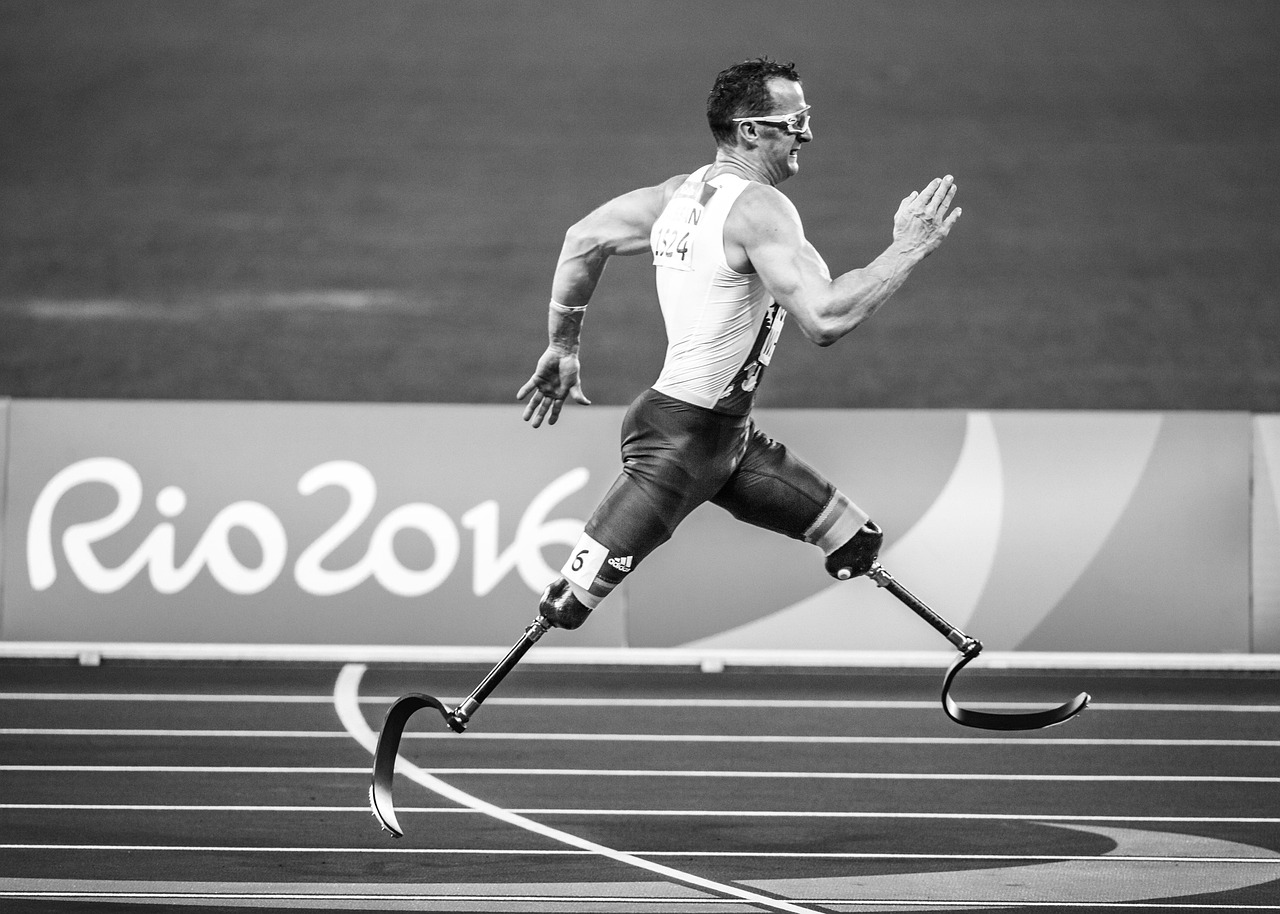

The Impact of Peer Support on Adaptive Exercise Participation
Peer support plays a crucial role in adaptive exercise participation, which is essential for individuals with disabilities. When participants engage in adaptive fitness activities, the presence of supportive peers can significantly impact their experience and motivations. Studies suggest that social interactions enhance feelings of belonging and acceptance, helping individuals with disabilities to feel more comfortable in fitness settings. Peer support can take various forms, including encouragement, sharing experiences, and providing practical assistance during exercise sessions. Additionally, shared goals among peers foster a sense of community, which boosts individual commitment to fitness routines. This connection to others engaged in similar challenges can lead to improved emotional well-being and resilience against setbacks. Peer support not only increases adherence to fitness programs but can also enhance participation rates by making exercise feel more enjoyable. When individuals with disabilities see peers overcoming similar difficulties, it often inspires them to push through their own barriers. As a result, it is crucial to foster environments that promote peer interaction, thereby creating an encouraging and motivating atmosphere for adaptive exercise participants.
The Role of Community in Adaptive Fitness
Community plays a vital role in shaping the experiences of individuals participating in adaptive fitness. By fostering a culture of inclusivity, communities can significantly enhance social support networks that encourage sustained engagement in physical activities. Local centers or groups dedicated to adaptive fitness not only provide resources but also create spaces where individuals can share their aspirations and challenges. Exercise classes tailored for those with disabilities often benefit from community involvement, helping members connect with each other. Social gatherings around fitness, like community-focused events or group workouts, amplify the opportunity for individuals to foster friendships. These connections provide emotional support and practical advice in navigating personal fitness journeys. Furthermore, collaborative events promote awareness about adaptive fitness within the wider community, potentially attracting participants who might otherwise feel isolated. Utilizing social media platforms for community engagement can further enhance these supports, allowing individuals to seek and share advice or experiences. Thus, it is vital for communities to prioritize adaptive fitness initiatives, ensuring that every individual feels valued and motivated in their pursuit of healthy lifestyles.
Adaptive fitness programs can benefit immensely from incorporating peer-matching strategies aimed at optimizing support among participants. This method involves pairing individuals based on common interests, fitness levels, or goals. By matching peers effectively, participants can engage in meaningful interactions that enhance their emotional and physical experiences in the program. Such strategies encourage accountability; individuals are more likely to attend fitness sessions when they know someone will be there to support them. Additionally, matched pairs can learn from each other, sharing adaptive techniques that help overcome specific challenges faced during workouts. This collaboration promotes skill development and boosts confidence in tackling fitness regimens. Furthermore, these relationships often evolve into strong friendships, providing long-term benefits beyond the fitness environment. Successful peer-matching initiatives can lead to increased retention rates in adaptive fitness programs by creating a supportive network that encourages continual participation. A focus on these connections can greatly impact the effectiveness of adaptive exercise programs, leading to better outcomes for individuals with disabilities seeking active lifestyles. Therefore, exploring innovative ways to match individuals within adaptive fitness contexts is essential for promoting sustained engagement and success.
Encouragement and Motivation through Peer Support
Encouragement from peers plays an essential role in the motivation levels of individuals involved in adaptive fitness. When participants face challenges or setbacks, supportive peers can provide the necessary encouragement to keep moving forward. This type of support often manifests in verbal encouragement during workouts or celebrating each participant’s progress. The shared understanding of challenges can help peers motivate one another, as they appreciate the unique obstacles faced by individuals with disabilities. Furthermore, the emotional bond formed through shared experiences can bolster each individual’s motivation to push beyond their limits. Peers often create an environment where it is safe to explore new exercises, resulting in increased confidence. Studies indicate that individuals who engage in adaptive fitness with the support of their peers are more likely to set and achieve personal goals. Regular reminders and nudges from peers can also serve as powerful tools in maintaining commitment to physical activity. Overall, recognition of each other’s progress fosters an uplifting atmosphere that inspires all participants, enhancing their dedication to adaptive exercise routines and promoting health and well-being.
Challenges faced by individuals with disabilities in fitness programs can often be mitigated through peer support, creating pathways to overcoming barriers. Physical limitations may lead to feelings of isolation, discouragement, and reluctance to participate in group activities. However, knowing that a peer is there to empathize and share similar challenges significantly lessens these impacts. The understanding provided by peers helps individuals feel safe and accepted, thus boosting their willingness to take part in fitness routines. Moreover, when peers share their coping strategies, it can offer new perspectives on dealing with obstacles, making challenges seem less daunting. Such connections enable participants to work through emotional battles associated with disabilities effectively. They cultivate resilience by sharing successes and learnings in adapting to different workouts. This combined effort amplifies each individual’s sense of agency, encouraging them to explore their capabilities without fear of judgment or failure. As a result, the social dynamics fostered through peer interactions ultimately lead to enriched experiences in adaptive fitness settings. Enhancing the platform for these interactions becomes imperative for ensuring that individuals feel empowered in their fitness journeys.
The Importance of Shared Goals in Adaptive Fitness
Shared goals among peers in adaptive fitness can significantly enhance personal motivation and commitment to exercise. When individuals work towards similar objectives, they create a collective sense of purpose that fosters camaraderie. This shared commitment often results in enhanced accountability, as participants feel a personal responsibility not to let their peers down. Furthermore, setting group goals allows individuals to celebrate collective achievements, reinforcing positive emotions related to adaptive activities. The journey toward shared goals often enables participants to engage more deeply with each other, thus building stronger relationships. Social support emerges as a crucial element when working towards these objectives, as individuals uplift one another through mutual encouragement. Programs that emphasize group involvement by focusing on shared activities and aspirations are likely to yield better retention rates in participants. Additionally, this approach encourages participants to challenge themselves and push their limits, resulting in greater personal growth. All these aspects underscore the importance of collaborative practices in shaping an effective adaptive fitness culture that promotes continuous engagement and success for all individuals involved.
In summary, the intersection of peer support and adaptive fitness creates a transformative environment for individuals with disabilities. Enhancing participation through community engagement and social interaction has profound implications for personal growth and overall well-being. The emotional connections forged within supportive networks contribute significantly to increasing confidence and self-efficacy. They create spaces where individuals not only pursue their fitness goals but also embed themselves in a community that understands their experiences. Importantly, these supportive peer relationships lead to healthier lifestyles and enriched social networks. As adaptive fitness programs continue to evolve, incorporating peer support mechanisms must be prioritized. Future initiatives should focus on innovative approaches to integrate social support into fitness activities while ensuring inclusivity for all individuals with disabilities. Understanding the diverse needs within adaptive fitness contexts will lead to more tailored interventions that optimize participant experiences. It is clear that maintaining an emphasis on supportive interactions will yield long-term benefits in physical health, emotional resilience, and community connectedness. By championing these approaches, society can elevate adaptive fitness participation, allowing individuals with disabilities to thrive and accomplish their goals.