
The Impact of Aerial Fitness on Posture and Balance
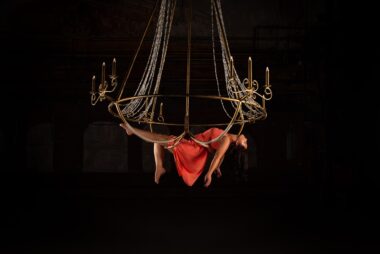
Aerial fitness has gained immense popularity among fitness enthusiasts and those seeking unique ways to strengthen their bodies. This innovative form of exercise utilizes hanging apparatus like silks, hammocks, and trapezes to engage the core while promoting flexibility and overall body awareness. Engaging in aerial fitness effectively trains the body to find balance and develops intermuscular coordination. One of the most notable benefits of aerial fitness is its positive impact on posture. Most individuals suffer from poor posture due to prolonged hours spent sitting at desks or using screens. By practicing aerial fitness, participants learn to lengthen their spines and engage their muscles correctly, which enhances body alignment.
Incorporating aerial silks into group fitness classes allows practitioners to experience a variety of movements, blending strength training and cardio. Many poses require significant upper body strength, also necessitating excellent core stability, both of which are fundamental to improving balance. As participants progress in their aerial skills, they develop rhythmic fluidity in their movements. This enhanced coordination assists practitioners in daily activities, where agility and stability are crucial. The unique environment of aerial classes encourages teamwork and support among participants, which boosts their motivation and makes workouts enjoyable. Encouraging environments foster connection and increase adherence to fitness routines, integrating playfulness with challenge.
Aerial fitness challenges traditional notions of balance exercises typically performed on solid ground. For instance, when executing inversions, participants must adapt their equilibrium skills in a suspended environment, enriching their proprioception. This heightened awareness greatly benefits individuals by helping them understand their body’s position in space. The importance of space awareness continues to develop as practitioners transition to more complex movements, further refining their muscle memory. As flexibility and balance improve, so do practitioners’ confidence levels. Increased self-assurance not only enhances performance but also leads to a better connection between the mind and body, allowing individuals to push their physical limits.
Posture Improvement through Aerial Fitness
Students may also notice how aerial dancing encourages the correction of muscle imbalances typically created by a sedentary lifestyle. Strengthening weaker and underutilized muscles helps align the spine, facilitating better overall posture. Strengthening core muscles through aerial fitness is crucial for stability, as these core muscles provide the foundation for spine support. Having a strong core aids in maintaining a neutral spine and alleviating excess strain on the lower back. Health benefits extend far beyond improved posture; practitioners reduce their risk of injury while performing everyday activities, and the effects of proper alignment can lead to long-term well-being.
Participating in aerial fitnes classes also encourages the mind to be present, focusing on each movement to improve the control and alignment of the body. This mindfulness aspect is incredibly beneficial for reducing stress and anxiety often associated with modern life. An increase in mindfulness has shown potential benefits on mental health, as it helps engage participants in self-compassion and body acceptance. The diverse and creative practice promotes engagement through variety, keeping participants interested and motivated to continue working toward their goals. Moreover, aerial classes often cultivate a sense of community, forming bonds between participants that further enhance enjoyment and commitment.
Aerial fitness serves as an excellent cross-training tool for athletes of all kinds. The incorporation of aerial exercises into training routines helps improve overall athletic performance by fostering greater flexibility, core stability, and coordination. Furthermore, athletes can explore various aerial maneuvers to discover new pathways that may translate into their primary sport. Expanding athletic abilities into aerial landscapes can create synergy among various skills and disciplines. It enables athletes to diversify their training routine and combat training plateaus, reinvigorating their physical exercise regimens. The blend of excitement and challenge keeps training fresh and engaging.
Conclusion: Embracing Aerial Fitness
In summary, aerial fitness significantly influences both posture and balance while providing a unique and effective workout experience. By integrating aerial fitness into your exercise routine, you unlock a range of benefits that contribute to well-rounded physical health. Practicing aerial exercises builds strength while promoting flexibility and overall coordination. Moreover, participants often experience improved body awareness, increased confidence, supportive community connections, and a positive shift in mental health. As people become more aware of the impact of aerial fitness, they may find lasting benefits for their long-term well-being and enhanced quality of life. The journey through aerial fitness will surely leave a positive impact.
With the opportunity to challenge traditional forms of exercise, aerial fitness classes allow participants to explore concepts of balance and posture in unique ways. Whether a novice or an experienced individual, the advantages of aerial fitness can benefit everyone. This multifaceted exercise caters to people of all ages and fitness levels, ensuring everyone can engage in the experience. As group fitness classes evolve, aerial fitness represents a dynamic addition that combines creativity, performance artistry, and physical strength. Through exploration, individuals can embrace aerial fitness and uncover its lasting positive influence on their overall health and wellness.