
Stress Relief Through Dance-Based Fitness Classes
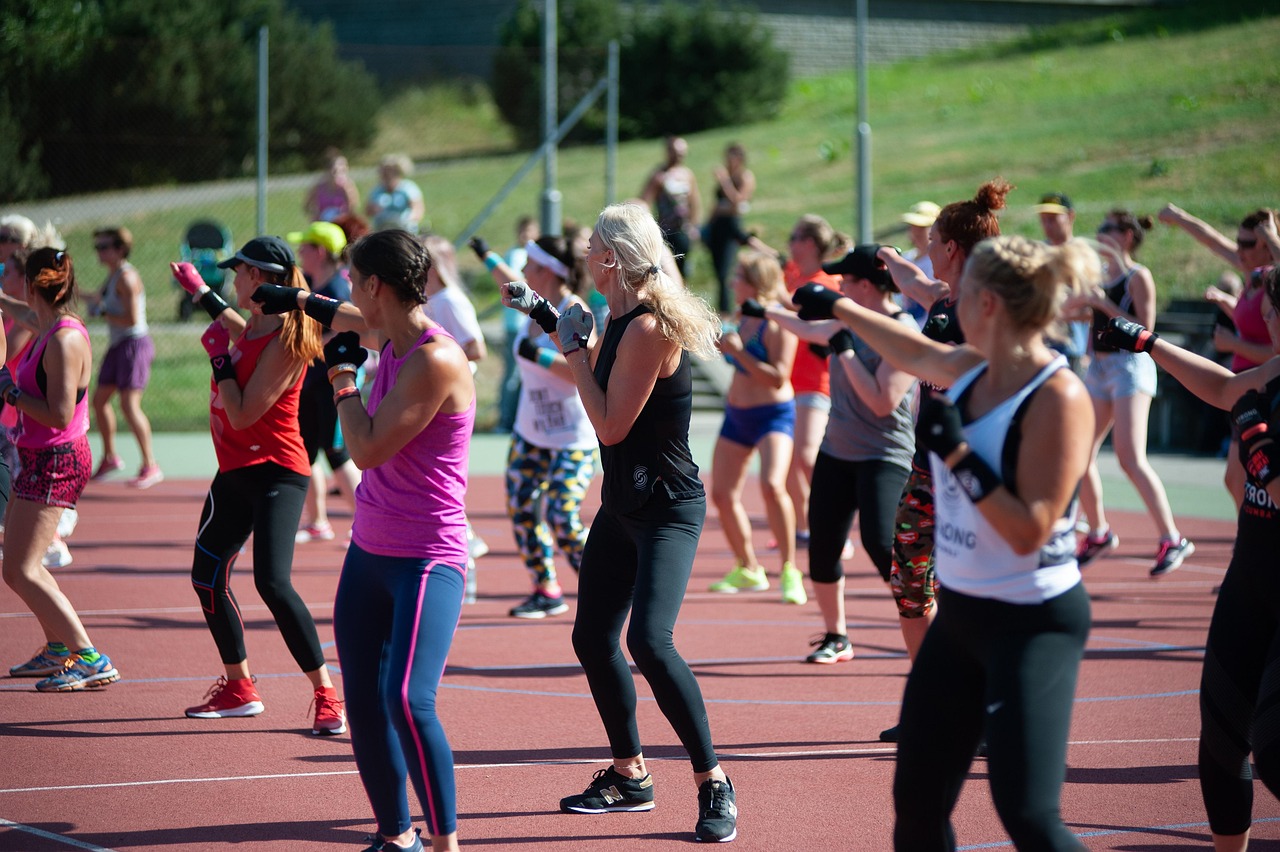
In today’s fast-paced world, stress has become an unwelcome companion for many individuals. Finding effective methods to manage stress is essential for both physical and mental well-being. Dance-based fitness classes offer a unique solution, combining exercise with the joy of movement. These classes encompass various styles, from Zumba to jazzercise, allowing participants to choose what resonates with them. The rhythmic movements can provide a form of expression, helping individuals channel their emotions positively. Engaging in dance not only improves physical fitness but also releases endorphins, the body’s natural mood lifters. Participants often report feeling uplifted after such sessions. Additionally, the social aspect of joining a class can foster strong connections and create a supportive community. Music further enhances the experience, creating an atmosphere of energy and rhythm that can be infectious. As such, individuals may find themselves enjoying exercise more than they ever thought possible. Moreover, adapting dance classes to fit various fitness levels ensures inclusivity, making it accessible for all. Overall, dance-based fitness classes present a compelling case for stress relief and holistic health benefits.
Psychological Benefits of Dance
Engaging in dance-based fitness classes provides numerous psychological benefits critical to mental health. It allows participants to escape daily stressors, creating a space where they can focus solely on the music and movements. This mindfulness aspect, combined with physical exertion, can lead to reduced anxiety and depression levels. Numerous studies show that regular participation in these classes can significantly enhance self-esteem and body image. Through dance, individuals discover new strengths and abilities, helping them appreciate their bodies more holistically. Furthermore, these classes encourage creativity and self-expression. Participants can explore various movements, leading to increased confidence in their abilities. Social interactions during classes foster connections and relationships, which are essential for emotional support and well-being. This supportive environment empowers individuals to share their struggles and victories together. Not only does this camaraderie improve mental health, but it also provides motivation to return to class regularly. The shared experience of learning choreography or simply enjoying movement together adds an element of fun and community. Thus, the psychological rewards of dance-based fitness classes extend well beyond the studio floor, influencing participants’ lives positively.
In addition to improving psychological wellness, dance-based fitness classes are excellent for enhancing overall physical health. These classes typically involve varied movements that promote cardiovascular health, flexibility, and muscle strength. As individuals move to the rhythm of the music, they engage in aerobic exercise, which is crucial for heart health. Regular attendance can lead to better endurance and stamina, allowing one to perform daily activities with more energy. Dance also encourages flexibility through dynamic movements and stretches, helping to prevent injuries and improve overall mobility. Furthermore, muscle strength is built through repetitive movements in dance routines, particularly in genres like hip-hop or ballet. The combination of these benefits creates a solid foundation for a healthier lifestyle. Additionally, dance-based classes are generally fun and enjoyable, which encourages consistent participation. People are more likely to stick with an exercise routine if they genuinely enjoy it. This enjoyment leads to long-term fitness habits, making it easier to maintain physical health. Additionally, variety in dance styles means participants can continually challenge themselves and avoid monotony, keeping them engaged and motivated throughout their fitness journey.
Accessibility and Variety of Classes
One of the most appealing elements of dance-based fitness classes is their accessibility and variety. With numerous styles available, individuals can choose classes that align with their preferences and fitness levels. Popular formats include Zumba, hip-hop dance fitness, ballet fusion, and even belly dancing. This variety ensures that there is something for everyone, whether one prefers high-energy workouts or more graceful movements. Additionally, many gyms and studios offer classes tailored to specific populations, including seniors or those with physical limitations. Such adaptations make it possible for anyone to participate and experience the joys of dance. Online platforms have also emerged, providing virtual classes that cater to those unable to attend in-person sessions. This flexibility allows individuals to practice in the comfort of their own homes. As technology evolves, many people opt for virtual dance classes, enabling them to connect with instructors and fellow participants from around the world. Consequently, the options are virtually limitless, allowing individuals to find classes that not only suit their interests but also fit seamlessly into their schedules, further enhancing long-term commitment to mental and physical fitness.
Moreover, dance-based fitness classes aid in stress relief through goal-setting and achievement. Many classes incorporate choreography that learners gradually master, which can foster a sense of accomplishment. As participants acquire new skills, they gain confidence and motivation, making them more likely to pursue fitness goals. This sense of achievement contributes to a positive mindset, further alleviating stress. Additionally, instructors often provide encouragement and positive reinforcement, promoting a supportive atmosphere where participants feel valued. Such environments can significantly affect an individual’s mental health, providing a breath of fresh air amidst life’s challenges. Importantly, social bonds formed during dance classes enhance the experience, as shared struggles and successes deepen connections among classmates. Even outside the studio, friends may unite to practice or attend classes together, reinforcing their support networks. This aspect of community can lead to improved emotional health, as individuals feel understood and appreciated. Furthermore, as friendships develop, individuals may be less inclined to withdraw during stressful times, turning to their peers instead. Overall, the combined benefits of goal-setting and community support make dance-based fitness classes a powerful tool for stress reduction and mental health.
Self-Expression Through Movement
Self-expression is a vital component of dance that also greatly contributes to stress relief. Dance-based fitness classes provide participants the opportunity to move freely, allowing them to express their emotions physically. Engaging with music fosters a deeper connection to individual feelings, enabling individuals to process emotions more effectively. Such a release can lead to improved mental clarity and emotional resilience. Additionally, many find that expressing themselves through movement is a form of therapy. Dance encourages creativity and individuality, helping participants embrace their unique styles. By allowing individuals to try different dance styles and techniques, they can discover what they enjoy most, promoting personal growth. This exploration of movement can also increase self-awareness, leading to better emotional regulation. Participants often find that dancing enhances their mood, providing an outlet for pent-up stress and frustration. Furthermore, dance routines can serve as metaphors for life’s challenges, allowing individuals to experience personal stories and narratives in a healing manner. Through this lens, dance-based fitness classes become more than just workouts; they transform into a journey of self-discovery and empowerment.
Finally, it is essential to recognize the profound impact of incorporating dance-based fitness classes into stress management routines. Participants not only gain physical fitness but also enhance their mental health in numerous ways. The combination of exercise, social interaction, and self-expression proves invaluable in coping with stressors. By embracing the philosophy that movement heals, individuals can cultivate healthier relationships with their bodies and minds. As research continues to demonstrate the link between physical activity and mental health, dance classes will likely gain even more popularity in wellness circles. Furthermore, these classes promote a sense of community, encouraging individuals to uplift and support each other. Teens and adults alike can discover newfound confidence and passion for movement, bridging the gap between physical fitness and emotional expression. The future of dance-based fitness classes looks bright as more people recognize their benefits. Additionally, as fitness professionals refine their approaches, these classes will become even more accessible to all. Thus, the journey toward improved mental health through dance-based fitness is not only possible but also enjoyable.
In conclusion, dance-based fitness classes have emerged as a powerful tool for stress relief and enhanced mental health. With numerous benefits, including physical fitness, psychological well-being, and community support, these classes offer an engaging way to address stressors effectively. As more individuals recognize the profound impact of movement on mental health, the popularity of dance-based fitness will undoubtedly rise, contributing to increased awareness of holistic health approaches. Undeniably, the fusion of rhythm, movement, and community will foster healthier, happier lifestyles for many people. By prioritizing enjoyable exercise options, individuals can develop sustainable fitness habits that improve their lives drastically. Additionally, future trends in the fitness industry may spotlight dance as a primary method of managing stress, further emphasizing its importance. So whether through Zumba classes, ballet-inspired workouts, or hip-hop dance routines, it’s clear that the rhythm of life can serve as a guiding force in achieving both physical and mental wellness. Those interested in exploring these opportunities should consider joining a class or following online sessions. Take a step toward a healthier you, where stress relief is just a dance away!