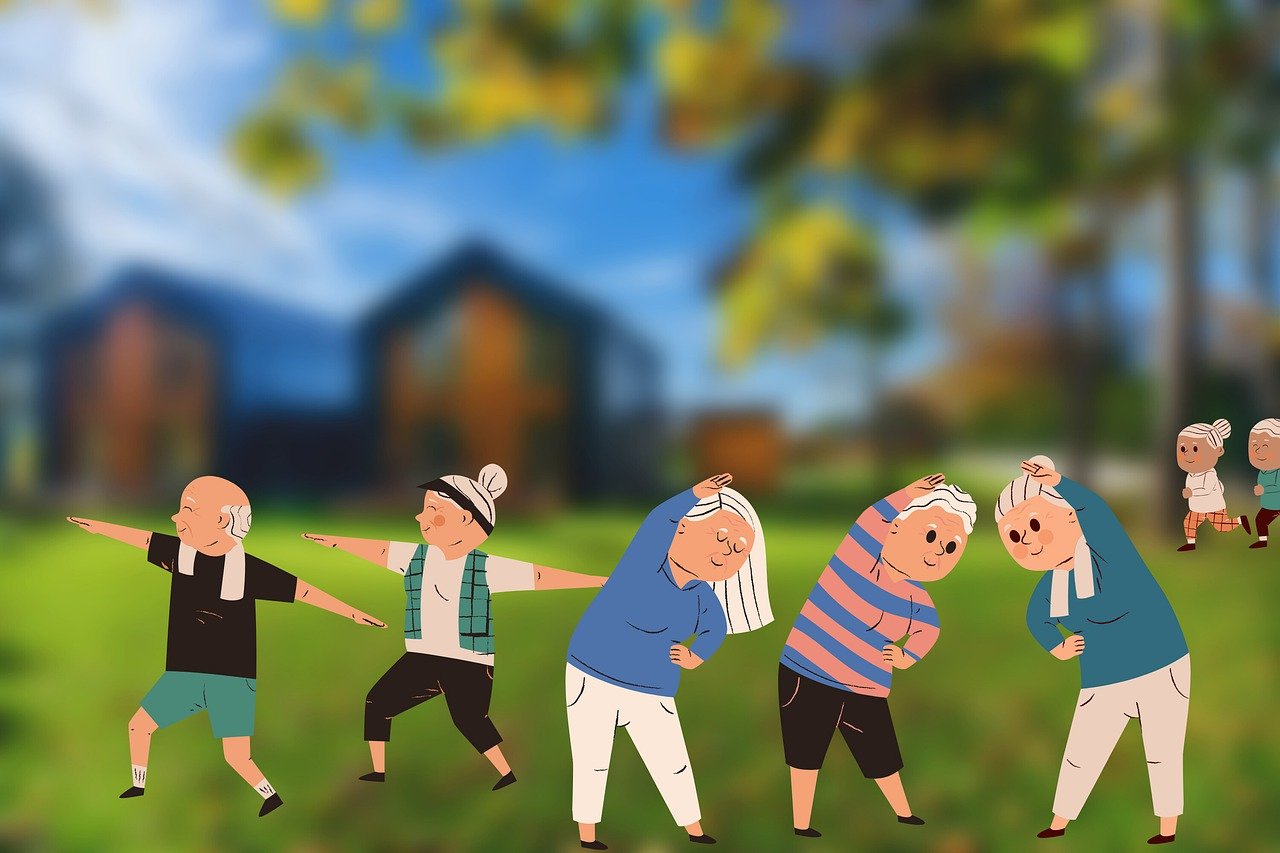

Staying Active After 60: Essential Fitness Motivation Tips for Seniors
Staying active as you age is vital for maintaining health and well-being. Regular physical activity offers numerous benefits, such as improved cardiovascular health, increased muscle strength, and enhanced mental clarity. For seniors, it’s crucial to find enjoyable activities that encourage movement and foster social interaction. Start with low-impact exercises like walking, swimming, or yoga, which are easier on the joints. These activities can promote flexibility, balance, and overall endurance. Finding a workout buddy or joining classes can make workouts more fun and provide essential support. It’s important to listen to your body and gradually increase the intensity of workouts as you gain confidence and strength. Remember to consult with healthcare providers before starting a new fitness regime to ensure it aligns with your specific health conditions. Staying motivated can also involve setting realistic goals, tracking your progress, and celebrating achievements, no matter how small. Aim for short, manageable goals that can help you avoid overwhelm and keep your motivation high as you work towards a more active lifestyle. Enjoy this journey of discovering new activities that keep you fit and engaged.
The Importance of Social Interaction in Fitness
Engaging in fitness activities provides an excellent opportunity for social interaction, which can be particularly beneficial for seniors. Maintaining social connections supports mental health and combats feelings of loneliness that can arise during aging. Group exercise classes, walking clubs, or dancing sessions can promote camaraderie and create supportive environments where seniors feel encouraged to participate. Consider looking for local community centers or fitness organizations that cater to older adults, as these often offer programs tailored to various fitness levels. Additionally, having a workout partner can enhance accountability, making it easier to stick to a routine. Sharing fitness experiences, stories, and challenges can strengthen relationships and foster a sense of belonging. Participating in community events such as charity walks can also provide motivation while contributing positively to the greater community. Many seniors find joy in discovering new friendships through fitness, which adds another layer of motivation to stay active. Moreover, exploring different activities together, such as gardening, hiking, or swimming, can enhance the experience and allow for deeper connections with fellow participants.
Nutrition plays a crucial role in supporting an active lifestyle for seniors. As you engage in more physical activities, it’s essential to nourish your body properly. Focus on a balanced diet filled with whole foods, including fruits, vegetables, lean proteins, and whole grains. Adequate hydration is equally important; many older adults may forget to drink water throughout the day. Aim to drink at least eight glasses of water daily, more when exercising. Nutritious snacks like nuts or yogurt can also provide essential energy, making workouts more effective. Consult a nutritionist to tailor a diet plan that suits your individual needs and activity levels. Pay attention to your body’s signals regarding hunger and energy levels, as these are important indicators of overall health. In addition to food choices, understanding portion sizes can help manage weight and ensure that you’re receiving the right nutrients. Consider incorporating a variety of foods into meals to prevent boredom and encourage your taste buds. A diverse diet not only maintains energy for physical activity but also enhances quality of life through delightful meals.
Setting realistic and achievable fitness goals is essential in maintaining motivation for seniors. Break down larger goals into smaller, more manageable tasks, which can help reduce feelings of being overwhelmed. For instance, instead of aiming to walk five miles a day, start with a 10-minute walk and gradually increase this duration. Writing down goals and tracking progress in a fitness journal can create a sense of accomplishment. Furthermore, celebrating small milestones, such as completing a specific number of workouts in a month or successfully trying a new class, reinforces positive behavior. It may also be helpful to switch up routines regularly to maintain interest and keep participants engaged. Trying new activities can spices things up, from tai chi to cycling, providing excitement while still focusing on fitness. Understanding that setbacks may occur is essential; simply adjusting goals can keep motivation high during challenging times. Keeping an open mindset with fitness will make the journey enjoyable. Hopefully, with time and support, seniors can find a routine that fits their lifestyle and boosts overall health.
Incorporating Mindfulness into Fitness
Mindfulness practices, such as yoga and meditation, can significantly enhance physical fitness for seniors. Not only do these activities improve physical flexibility and strength, but they also foster mental clarity and emotional stability. Practicing mindfulness encourages alignment between body and mind, promoting a deeper connection with physical sensations and emotional states. Many seniors benefit from the slow-paced, thoughtful movements in activities like tai chi, which emphasizes breath control, balance, and smooth transitions. Regularly participating in such practices can mitigate stress and tension while enhancing focus on fitness goals. Integrating mindfulness into daily fitness routines can transform them into enjoyable experiences rather than mere chores. Additionally, consider exploring deep-breathing exercises before or after workouts to center yourself, cultivating awareness of body alignment during various exercises. Mindfulness can also be practiced during everyday activities, such as walking, emphasizing gratitude for mobility and health. By fostering a gentle, appreciative attitude toward movement, seniors may find renewed enthusiasm and motivation to remain active throughout their daily lives, enhancing both physical fitness and mental wellness.
Listening to your body is incredibly important as seniors engage in fitness routines. With age, the body may not respond to exercises in the same way as it once did. It’s vital to pay attention to signals of fatigue, pain, or discomfort during workouts. Always prioritize safety by ensuring that the chosen activities are suitable for your current fitness level. If something feels off, don’t hesitate to modify or switch exercises. Incorporating rest days into the weekly routine allows time for recovery, ensuring that muscles can heal effectively. Moreover, engaging in low-impact options can provide considerable benefits without risking joint strain. Consulting a fitness trainer experienced in working with older adults can provide valuable guidance. Trainers can help design personalized workout plans focused on maintaining strength without overexertion, which is crucial for long-term success. Take the time to reflect on how different activities impact your body, making adjustments where necessary. This attentiveness can prevent injuries, improve overall performance, and further motivate you to continue pursuing fitness goals while enjoying every movement.
Lastly, never underestimate the power of fun in fitness routines for seniors. Choosing activities that genuinely bring joy can significantly impact motivation levels and overall commitment to an active lifestyle. Explore hobbies or gentle sports that make physical movement enjoyable, such as dancing, gardening, or playing games like pickleball. Participating in enjoyable pursuits facilitates longevity in staying active and promotes emotional well-being. Music can enhance workouts, creating a fun atmosphere that makes daily practices feel less of a chore. Consider joining local fitness clubs or classes that focus on fun, not just fitness, creating an inviting community for shared experiences. Engaging in group activities adds a social element, making it easier to stay committed to exercise. Take the time to reminisce about favorite past sports or activities and incorporate them into routines when possible. The key is to embrace movement in ways that evoke happiness and fulfillment, creating lasting motivation to stay active. Building a fitness routine around joy can pave the way for continued commitment long after the age of 60.
This fitness journey can sometimes feel overwhelming, especially with countless new trends and programs available. It’s essential to embrace a personalized approach that fits your preferences, capabilities, and goals. Engage in a mental shift to prioritize your health and well-being and acknowledge that every positive choice counts. Find inspiration from various sources, including health magazines, online platforms, and local community resources. Discovering others’ success stories and personal narratives can instill a sense of hope and motivation which helps to keep you focused and inspired. Establishing a commitment to staying active can positively impact your daily routine, enhancing your productivity and energy levels. Gradually build upon initial routines, setting achievable targets that allow you to exceed previous benchmarks. Enlist family members or friends to join your fitness journey, providing boosts in encouragement and motivation. Keep an open line of communication with supportive peers who can share helpful advice and advanced techniques. As a shared journey, ensure to celebrate milestones together and reflect on accomplishments regularly. The key to a sustainable fitness journey involves making personal fitness thrilling and rewarding as you progress through various stages of your active involvement.