
Preparing Mentally and Physically for Endurance Fitness Challenges
Endurance fitness challenges require both mental and physical preparation for success. Developing a solid training regimen that includes running, cycling, and swimming is essential in achieving peak performance. Understanding the importance of cross-training can greatly enhance your resilience and reduce the risk of injury. Additionally, setting realistic goals will help to keep you motivated and focused on your progress. Nutrition plays a crucial role in preparing for endurance challenges; fuels your body with the necessary nutrients for optimal performance. A balanced diet rich in carbohydrates, proteins, and healthy fats can provide the energy needed for intense training. Hydration is equally important and should be monitored closely. Mental fortitude can be developed through visualization techniques, positive affirmations, and staying present during practice sessions. Don’t ignore recovery and rest days, as they are crucial for muscle repair and mental clarity. As you embark on your endurance journey, remember to make adjustments to your regimen where necessary, listen to your body’s feedback, and emphasize consistency. This multifaceted approach will enable you to face challenges head-on and perform at your absolute best.
To gauge your readiness, consider participating in smaller competitions leading up to larger events. These smaller events serve as excellent opportunities to test your skills and apply learned techniques in real-world scenarios. You should also evaluate your performance metrics regularly to track improvement. Analyze your speed, endurance, and recovery times after each training session. Adjust your training and nutrition plan based on this data for continual growth and adaptation. Endurance challenges can be unpredictable, so mentally preparing for adversity should also be part of your strategy. Building resilience allows you to tackle obstacles effectively and recover quickly from setbacks. The role of a support system cannot be overlooked; surrounding yourself with fellow competitors or friends who share your aspirations can significantly enhance your training experience. Engage in group training sessions or share your progress online. Additionally, consider working with a coach who can provide personalized guidance tailored to your fitness level. They can help you efficiently reach your potential while ensuring you stay on track. With consistent effort and a dedicated approach, you will be ready to conquer any endurance fitness challenge.
The Role of Nutrition in Endurance Challenges
Nutrition for endurance athletes must be meticulously planned to optimize performance. Focus on carbohydrates, which serve as the primary energy source during prolonged activities. Incorporate foods like whole grains, fruits, and starchy vegetables into your meals to ensure adequate fuel. It’s advisable to consume protein-rich foods, such as lean meats, fish, or plant-based options, to support muscle recovery and repair. Timing is essential; eating nutrient-dense snacks or meals before and after training is critical for success. Try to consume something light about 30 minutes before training, like a banana or an energy bar, for immediate energy. Post-workout, aim for a balanced meal within an hour to replenish glycogen stores and support recovery. Hydration can’t be overlooked either; adequate fluid intake is vital, especially during long training sessions. Incorporate electrolyte-rich drinks into your strategy to replace lost salts. Experimenting with different foods during training can help you determine what works best for your body, preventing gastrointestinal discomfort on the day of the event. Always keep in mind that everyone has unique needs when it comes to nutrition.
Implementing mental strategies will also significantly boost your endurance capabilities. Strategies such as mindfulness and deep breathing can keep anxiety at bay, especially on competition day. Practicing mindfulness helps you stay focused on the present rather than fixating on potential challenges ahead. Visualization techniques allow you to imagine crossing the finish line or overcoming difficult portions of the course. These exercises can create a mental map that significantly boosts your confidence. You might also want to engage in self-talk strategies that include motivational phrases or mantras that empower you to push through physically taxing moments. Sometimes, sharing your training journey on social media can also bolster your motivation, providing you with a sense of accountability. Connecting with fellow endurance enthusiasts offers support and encouragement. Remember to celebrate the small victories during your training cycle—it will help you maintain a positive outlook throughout. Additionally, consider diversifying your training environment; changing locations can break monotony and reinvigorate your workouts. These mental preparations, when practiced consistently, will equip you with both the focus and resilience needed for any endurance fitness challenge.
Recovery Strategies for Optimal Performance
Recovery is a crucial aspect of preparing for endurance challenges, yet often underestimated by athletes. Proper recovery improves muscle repair and reduces the risk of injury, ensuring you’re always ready to perform at your best. Incorporating rest days into your training plan is essential; they allow your body to recover while maintaining long-term endurance. Consider utilizing active recovery techniques, such as light jogging or cycling, to promote blood circulation without overexerting yourself. Additionally, regular stretching and mobility work can aid in reducing muscle stiffness and enhancing flexibility. Foam rolling can be an excellent method for self-myofascial release, alleviating tightness in major muscle groups used during endurance activities. You should also prioritize quality sleep; it’s during sleep that your body undergoes essential repair processes. Aim for seven to eight hours of restorative sleep each night to function optimally. Lastly, evaluate your mental recovery by taking breaks from training and finding time for relaxation. Engaging in leisure activities that divert your mind from competition helps maintain a balanced approach. With an effective recovery strategy in place, you can enhance your endurance performance significantly.
Engaging in fitness challenges can be a deeply rewarding experience, fostering personal growth and community ties. As you prepare, remind yourself why you chose to participate in these contests; intrinsic motivation towards fitness can energize your journey. Reflecting on past experiences allows you to set benchmarks for future events. Every athlete faces setbacks, whether from fatigue, injury, or scheduling conflicts. Embracing these challenges as learning opportunities is vital in the larger journey of improvement. Networking within the fitness community enables you to learn from others who share your aspirations. Many groups also provide training sessions, seminars, and workshops focused on endurance events. Participating in organized group runs or bike rides fosters camaraderie while pushing you to enhance your performance. Volunteering at events gives you a fresh perspective of the endurance scene; it can inspire you and provide valuable insights into race organization. Remember that building friendships along this journey is just as important as individual performance. Supporting one another creates a positive environment where all can thrive. Take time to appreciate every accomplishment, including the journey towards mastering endurance fitness challenges.
In Conclusion: Your Endurance Fitness Journey
Preparing mentally and physically for endurance fitness challenges requires a well-rounded approach, focusing on nutrition, recovery, and mental strategies. Assessing your training plan, dietary needs, and recovery strategies regularly is essential for continuous improvement. Understand that no journey is the same and adapt accordingly as you progress through your training. Acknowledge that setbacks may occur, but these should be seen as growth opportunities rather than obstacles. Developing resilience, nourishing your body, and enhancing mental focus will prepare you for any endurance challenge. Besides physical readiness, consider surrounding yourself with a strong support system that elevates your motivation. As you commit to your journey, remember to celebrate your accomplishments, both big and small. This favorable mindset will empower you, making it easier to push through challenges and achieve your goals. Foster a sense of community within the fitness realm by engaging with others, sharing experiences, and learning collectively. Ultimately, achieving success in endurance challenges goes beyond merely crossing the finish line. It encompasses personal growth, relationships, and self-discovery as you embrace the journey ahead.
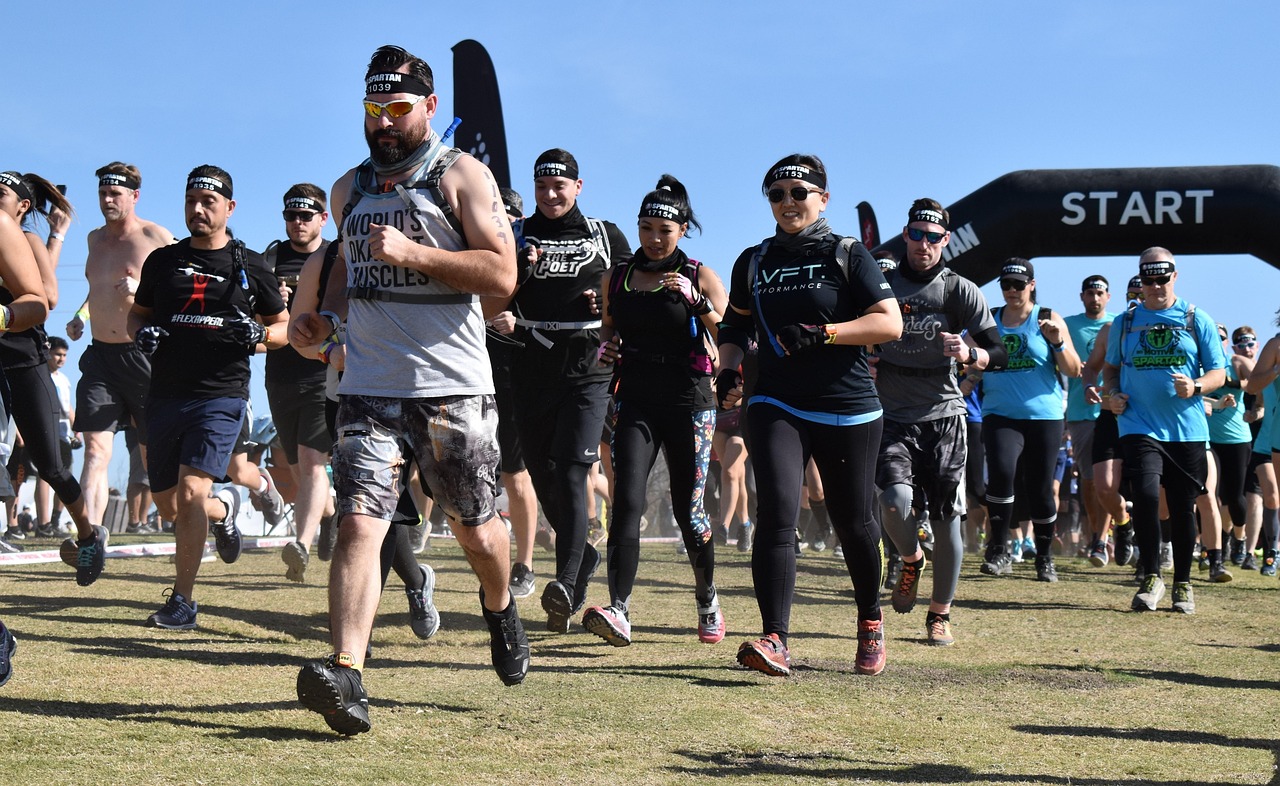
Entering endurance fitness challenges can be both daunting and exhilarating. Organizing your training, nutrition, and recovery plans, while developing a resilient mindset can lead to success.