
Physical Activity’s Role in Modulating Immune Responses to Pathogens
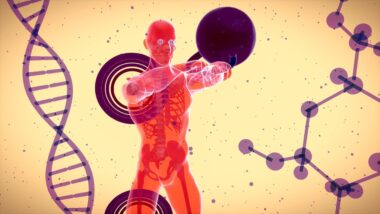
Regular physical activity plays a crucial role in enhancing immune function and response to pathogens. Engaging in exercise boosts circulation, which promotes the transport of immune cells throughout the body. As a result, the body is better equipped to respond to infections and inflammation. Moreover, physical activity has been shown to help regulate key immune markers, such as cytokines and antibodies. These changes contribute to a more robust immune defense mechanism, allowing for a quicker and more efficient response when faced with harmful invaders. Additionally, exercise has mental health benefits that are vital for overall immune health, as stress often negatively impacts the immune system. Engaging in activities like aerobic exercise, strength training, and flexibility workouts can yield significant health benefits, as they encourage a well-rounded approach to fitness. This enhanced state can potentially lower the risk of chronic diseases that compromise immunity. In conclusion, incorporating regular exercise into one’s routine is paramount for promoting optimal immune function and resilience. Individuals should strive for consistency in their activity levels, creating a balanced regimen of various exercise forms.
One of the key mechanisms through which physical activity modulates immune responses lies in its ability to reduce chronic inflammation. Chronic inflammation has been linked to many diseases, such as obesity and diabetes, which can impair immune function. Regular exercise, on the other hand, promotes the production of anti-inflammatory cytokines and reduces the levels of pro-inflammatory markers in the body. This balance supports a healthier immune response to both infections and injuries. Furthermore, exercise can enhance the efficacy of vaccines, an important aspect of public health. Studies show that regular physical activity prior to vaccination can improve immune system response and increase antibody production. This response ensures better protection against diseases and pathogens. Engaging in moderate-intensity exercise is particularly beneficial as it provides both physical and psychological benefits, encouraging people to maintain their health and fitness. Additionally, maintaining a routine that includes sufficient rest, balanced nutrition, and hydration contributes to the immune-modulating effects of physical activity. Ultimately, creating a lifestyle that encompasses regular exercise can be integral to enhancing immune resilience.
Beyond the physical benefits, the psychological effects of exercise also play a pivotal role in modulating immune responses. Regular physical activity has been shown to reduce symptoms of anxiety and depression, which are known to negatively impact immune function. The release of endorphins during exercise acts as a natural mood enhancer, contributing to improved mental wellbeing. Strong mental health is intrinsically tied to the body’s ability to fight infections effectively. Furthermore, exercise provides a structured routine that can enhance overall adherence to healthy lifestyle choices. This can include improved sleep patterns, healthy eating habits, and increased social interaction. Each of these components is critical to sustaining a robust immune system. Regularly engaging in physical activity, such as yoga, pilates, or team sports, can also promote a sense of community and support around health-conscious goals. Therefore, physical activity extends beyond mere biological mechanisms, fostering an environment of holistic well-being. Studies continue to reveal the numerous benefits of incorporating varied exercise forms into daily life, showcasing that the mind-body connection may be essential for a well-functioning immune system.
Exercise Intensity and Immune Response
The intensity of exercise further influences immune responses, as both moderate and high-intensity workouts have varied effects. Moderate exercise has long been associated with beneficial immune enhancement; it helps promote circulation and improves immune cell function. However, prolonged high-intensity exercise can lead to immunosuppression, often termed the ‘open-window’ theory. Following intense training sessions, there is a transient reduction in immune function, which may leave the body vulnerable to infections. Therefore, it is crucial to balance between high-intensity workout regimens and adequate recovery. Incorporating rest days and cross-training can allow the immune system to recover while still providing the benefits of physical activity. It is also essential to recognize individual variations, as factors like age and existing health conditions can affect immune responses to exercise intensity. Furthermore, athletes may require tailored training plans that consider their immune health alongside performance goals. Listening to one’s body and allowing appropriate recovery times are fundamental aspects of maintaining overall health and resilience against pathogens.
Nutrition also plays an essential role in conjunction with physical activity to support immune health. Consuming a balanced diet rich in vitamins, minerals, and antioxidants can bolster the effects of exercise on the immune system. Nutrients such as vitamin C, vitamin D, and zinc are vital for immune function. Consequently, individuals engaging in regular physical activity need to ensure they are fueling their bodies appropriately to support their efforts. In particular, post-exercise nutrition can facilitate recovery and further promote immune resilience. Consuming an adequate amount of carbohydrates and proteins after workouts aids in muscle recovery and can influence immune markers favorably. It is also essential to stay well-hydrated, as dehydration can negatively impact both performance and immune function. Focused on whole foods, including fruits, vegetables, whole grains, and lean proteins, will contribute to maintaining overall health and enhancing immune responses. Therefore, the synergy between nutrition and exercise creates a robust platform for immune health and physical fitness, allowing individuals to thrive even in challenging health environments.
Recovery and rest are integral components that often extend beyond physical activity and nutrition when discussing immune health. Proper rest allows the body to repair and regenerate, preventing burnout and wear-and-tear on immune systems. Sleep quality is critical for overall health, and it directly influences the efficiency of the immune response. During sleep, the body produces cytokines, which are necessary for a healthy immune response. Furthermore, lack of sleep can result in heightened inflammatory responses and decreased immune function. Striking a suitable balance between exercise, nutrition, and rest is fundamental for comprehensive immune modulation. Engaging in relaxation techniques, such as meditation or gentle stretching, can enhance recovery and promote mental well-being, further supporting immune resilience. This holistic approach aligns physical activity, nutrition, and mental clarity to foster a healthy lifestyle. Ultimately, incorporating all these elements into one’s daily routine is essential for strengthening the immune system’s ability to combat pathogens effectively. By prioritizing recovery, individuals can support their immune health while maximizing the benefits of physical activity and overall wellness.
Conclusion
In conclusion, physical activity emerges as a powerful tool in modulating immune responses to pathogens. The positive effects of regular exercise on immune health are well-documented and encompass physiological and psychological benefits. Engaging in moderate-intensity exercise not only enhances immune function but also reduces the risk of chronic diseases linked to impaired immunity. Mind-body connections established through physical activity and the social interactions that often accompany exercise further enhance the immune response. The interplay of exercise intensity, recovery, and nutritional support forms a comprehensive approach to boosting immune resilience. Individuals are encouraged to create a balanced exercise regimen that fits their lifestyle, while also prioritizing nutrition and sleep for optimal health. By recognizing the synergistic benefits of exercise in promoting a robust immune response, individuals can empower themselves toward healthier lives. This understanding is vital, especially in the context of ongoing global public health challenges that underscore the importance of immune health. Overall, embracing physical activity as part of a healthy lifestyle will cultivate lasting immune resilience and enhanced wellbeing.
Moreover, with an increasing focus on preventive health in today’s society, integrating regular physical exercise into daily routines has never been more essential. The substantial benefits gained through consistent activity can lay the foundation for long-term health outcomes, making it a critical aspect to consider for all age groups. Families and communities should work together to promote physical activity and create an encouraging environment that uplifts overall well-being. In summary, the pivotal role of physical activity in modulating immune responses highlights its necessity in today’s health-conscious society. Lifelong engagement with exercise fulfills both individual health requirements and societal health goals more holistically. This awareness not only fosters personalized fitness journeys but also aligns community health initiatives centered on physical well-being. Approaching exercise and health from an immune standpoint represents a key strategy in improving public health outcomes. As the science behind exercise and immunity continues to evolve, ongoing research will further enrich our understanding of their relationship, paving the way for innovative health solutions. With this understanding, fostering a culture of movement, support, and mental health is critical for comprehensive health improvement.