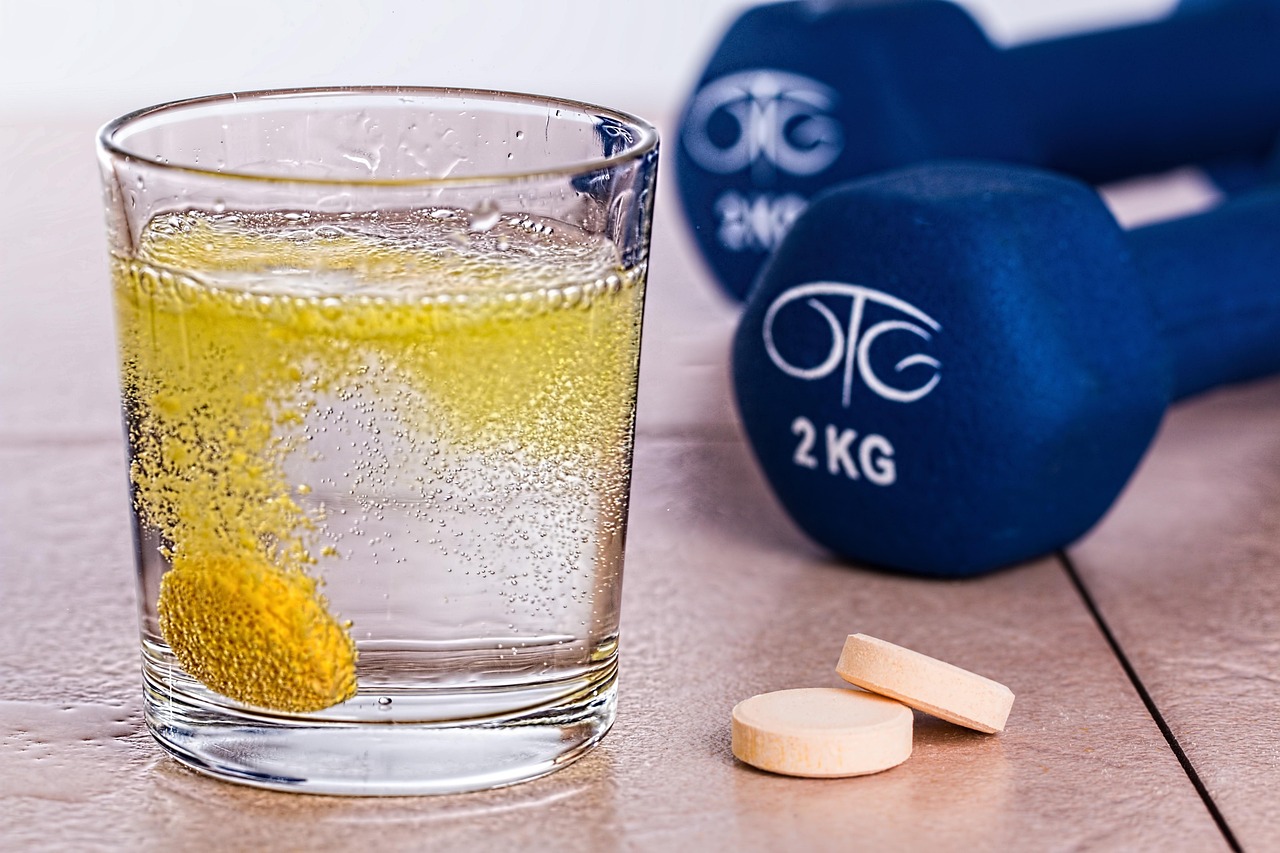

Liquid Supplements for Enhanced Athletic Performance
In today’s world, athletes seek every possible edge to boost their performance. Liquid vitamins and supplements have emerged as a popular choice among fitness enthusiasts for their convenience and rapid absorption rates. The liquid form ensures that nutrients are readily available for immediate use by the body, making it an ideal option pre- or post-workout. Typical liquid formulations often contain a combination of vitamins, minerals, and amino acids designed to support overall health and performance. Athletes often turn to these liquid options to counteract nutrient deficiencies that might arise from rigorous training. Moreover, hydration during workouts is crucial; thus, incorporating liquid vitamins can enhance this process. Besides providing essential nutrients, many liquid supplements also include electrolytes to replenish those lost through sweat. This makes them not only beneficial for performance but also essential for recovery. Furthermore, the taste and palatability of liquid vitamins can encourage consistent usage compared to pills. Overall, these supplements represent a significant advancement in sports nutrition, appealing to a wide range of athletes who expect optimized results.
Liquid vitamins come with numerous health advantages specific to athletic performance. One primary benefit is improved nutrient absorption. When you consume vitamins in liquid form, they bypass the digestive process to a large extent, allowing for superior bioavailability. Unlike tablets or capsules, which can take longer to digest, liquids are absorbed directly into the bloodstream. This rapid absorption makes them particularly effective in delivering nutrients when the body needs them most, such as during intense workouts or competitions. Athletes who take liquid vitamins often report feeling more energized and focused during their training sessions. Many formulations also offer a well-rounded blend of B vitamins, which are essential for energy metabolism. Additionally, the inclusion of amino acids can further enhance muscle recovery. Liquid supplements often provide hydration benefits, containing purified water and vital electrolytes. The ease of taking these supplements on the go is another advantage, as they can be consumed without the need for water. This convenience ensures that athletes can maintain their nutritional regimen without interruption, maximizing their training outcomes.
Popular Liquid Supplements
Several liquid supplements dominate the market, appealing to various athletic needs. One of the most sought-after is Liquid B12, known for enhancing energy levels and reducing fatigue. Another popular option is branched-chain amino acids (BCAAs) in liquid form, which aid in muscle recovery and growth. These supplements are critical post-workout, as they help reduce soreness and prepare athletes for subsequent training sessions. Vitamin D is also available in liquid form and is vital for bone health, especially in athletes participating in high-impact sports. Omega-3 fatty acids, known for their anti-inflammatory properties, can be found as liquids, providing essential oils necessary for joint recovery and cardiovascular health. Liquid multivitamins are advantageous for ensuring overall nutrient intake, especially for those on restricted diets. Additionally, electrolyte drinks help replace minerals lost during intense exercise, keeping athletes hydrated and performing at optimal levels. With such a variety of options, athletes can choose supplements tailored to their specific performance goals.
The timing of liquid vitamin intake plays a crucial role in its effectiveness. Athletes are typically encouraged to take these supplements around their training sessions. Consuming liquid vitamins about 30 minutes prior to exercise can enhance energy availability, allowing athletes to push their limits during workouts. Post-exercise supplementation is equally essential, as it supports muscle recovery and replenishes depleted nutrients. Research suggests that consuming vitamins and amino acids immediately after workouts can significantly aid muscle repair processes. Furthermore, drinks containing electrolytes are particularly beneficial during extended training sessions or competitions where fluid loss is high. Staying hydrated ensures optimal performance throughout the activity. Athletes should also consider their dietary habits; those with insufficient intake of whole foods may particularly benefit from regular liquid supplementation. However, it’s essential to combine these supplements with a balanced diet to maximize benefits. Consulting with a healthcare professional or nutritionist can help personalize supplementation strategies, considering an athlete’s unique needs, goals, and specific training demands.
Potential Drawbacks of Liquid Supplements
While liquid vitamins and supplements offer numerous advantages, athletes should be aware of potential drawbacks. One concern is dosage; liquid supplements can sometimes lead to overconsumption if not measured carefully. Unlike pills, which have precise dosages, liquids may be more difficult to quantify accurately, potentially resulting in excessive intake of certain nutrients. This can lead to toxicity, especially with fat-soluble vitamins like A, D, E, and K. Furthermore, some liquid supplements contain added sugars or artificial ingredients, which could counteract the desired health benefits and negatively impact performance. Athletes aiming for optimal health should prioritize high-quality liquid supplements free from unnecessary additives. Another drawback is shelf stability; liquid formulations might have a shorter shelf life than dry alternatives. Athletes must store these products correctly to prevent spoilage. Lastly, individual taste preferences can vary greatly, and not every athlete may enjoy the flavors of available liquid supplements. Choosing brands with diverse offerings and great taste can ensure compliance and consistency in supplementation.
When selecting liquid supplements, quality assurance should be a priority. Athletes should seek products that have undergone third-party testing to confirm quality and safety. Such certifications provide transparency, ensuring that the supplement contains what it claims without harmful contaminants. Researching brands and reading reviews can further help athletes make informed decisions. Additionally, athletes should consider checking the ingredient list on liquid vitamin labels to avoid fillers and artificial ingredients. Opting for organic or natural options may enhance overall health benefits. Hydration is another crucial aspect athletes should not neglect; ensuring proper fluid intake is important in conjunction with any supplements taken. Consulting with dietitians can provide tailored guidance on incorporating liquid vitamins effectively. Future trends in the supplement industry lean towards personalization, with custom formulations emerging based on individual needs. Advancements in technology may further support this personalized approach, allowing athletes to optimize their supplement regimens for maximal benefit. Overall, with careful consideration, liquid vitamins can be an asset to athletic performance.
Conclusion: The Future of Liquid Supplements
The future of liquid vitamins and supplements appears promising as the fitness industry continues to evolve. As wellness trends focus on convenience and efficiency, these liquid options are likely to see increased adoption among athletes. Innovations in formulation and flavor could enhance the experience even further, making it easier for athletes to adhere to their supplementation regimes. With the rising knowledge about nutritional deficiencies, more athletes are becoming aware of the need for optimal nutrient intake. Advances in the science of sports nutrition will continue to drive product development, leading to more effective formulations tailored to specific athletic demands. The integration of technology into the supplement industry will allow for customized experiences, potentially revolutionizing how athletes approach their nutrition needs. Despite the challenges and drawbacks associated with liquid supplements, the potential benefits can outweigh the negatives when approached thoughtfully. Emphasizing clean ingredients, quality assurance, and regular consultation with nutrition experts will ensure that athletes maximize their performance. Overall, liquid vitamins are well-positioned to play a significant role in optimizing athletic performance for years to come.
\