
Incorporating Functional Fitness Breaks Into Your Workday
In today’s fast-paced world, finding time for fitness can be quite challenging, especially for busy professionals. However, incorporating functional fitness into your workday is not only possible but can significantly enhance your overall productivity and well-being. Functional fitness focuses on exercises that mimic everyday activities, making it easier to integrate them into your work routine. By taking short breaks for functional movements, you can mitigate the negative impacts of prolonged sitting and improve your physical health. Engaging in these quick workouts can boost your energy levels, sharpen your focus, and reduce stress, which ultimately leads to a more effective work performance. Here are several ways to seamlessly include these fitness breaks into your daily schedule, ensuring that you maximize your working hours while taking care of your body. Furthermore, even with a busy work calendar, designing a regimen that includes these simple exercises during your day can be manageable. It is crucial to prioritize these small moments of movement to sustain both mental and physical health amidst a hectic lifestyle.
Understanding the concept of functional fitness is vital when deciding to incorporate it into your daily life at the office. Functional fitness exercises are designed to improve daily function by strengthening muscles and enhancing overall body mechanics. This type of workout can involve basic movements like squats, lunges, and push-ups, which can be done in a compact space without the need for extensive equipment. During office hours, take a few minutes from your work schedule to spend time performing these exercises. Incorporating functional fitness into your breaks helps maintain your energy levels and keeps your muscles engaged. Additionally, these targeted workouts can be performed individually or in small groups, making them highly adaptable to your workplace environment. Employees can motivate each other, maximizing engagement during these breaks. Consider discussing with your manager or team concerning group activities focusing on physical health, and allocate time on your agenda for such endeavors. It is about making proactive efforts to enhance your workplace atmosphere while improving health, which in the long run can lead to a healthier, happier workforce.
Types of Functional Fitness Exercises
There are myriad functional fitness exercises that busy people can incorporate into their day without disrupting their workflow. Common exercises include body-weight movements such as planks, wall sits, and stepping exercises. Aside from being simple to execute, they also allow for a good workout in just a short timeframe. Transitioning from your desk for a quick round of these exercises can be refreshing and will help refocus your mind. Interestingly, even standing up and stretching periodically has its benefits and can be classified under functional fitness. For example, performing a standing calf raise while taking calls or walking in place during meetings can keep your blood flowing and mind alert. Variations of these movements allow for adaptability, ensuring they suit all fitness levels. Moreover, utilizing equipment like resistance bands or small dumbbells can enhance your workout if available. Engaging in these short bursts of exercises throughout the day can help combat fatigue, enhancing concentration at work. Employers can support this by encouraging employees to prioritize their health and offer some scheduled active breaks.
Setting up a schedule for functional fitness breaks during the workday can create a motivating structure that fosters healthy habits. One effective strategy is to designate specific times, such as before a meeting, during lunch, or after prolonged focus sessions, allowing everyone to anticipate and prepare for their physical activity. You might consider setting an alarm or using productivity apps to remind yourself and your colleagues about these break periods. Another great approach is to incorporate friendly competitions or challenges that encourage participation and enthusiasm. Teams can work together to achieve collective goals, which increases camaraderie while promoting fitness. Moreover, organizations can establish wellness programs that reinforce the importance of physical activity during the workday. This framework can create a strong culture of health and wellness within your workplace. Being consistent with these functional fitness breaks communicates a commitment to employee health, morale, and productivity. As you proceed to implement these strategies, ensure they fit within the company’s culture so that they encourage participation without feeling forced or excessive.
Leveraging Technology for Fitness
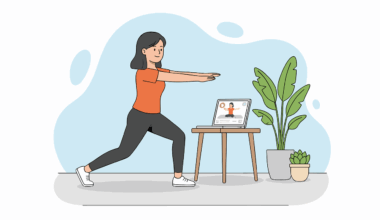
In the modern workplace, technology can serve as a valuable ally in incorporating functional fitness into your day. Numerous apps and websites offer guided workout routines tailored for short timeframes, specifically designed for office use. Downloading these fitness applications can deliver workout reminders, tailor strength exercises to your needs, and track your progress over time. This capability can serve as an extra layer of encouragement by providing access to instructional videos. Social fitness platforms may allow you to participate in virtual workouts with colleagues or friends, reinforcing a sense of community while exercising. You can also utilize wearable fitness trackers that monitor your physical activity throughout the day, helping you maintain the motivation to move regularly. Gamifying your exercise routines or connecting with coworkers for group fitness challenges creates a fun incentive. Furthermore, using online forums dedicated to workplace wellness can share tips, success stories, and collaborations. By leveraging technology, you can effectively blend your fitness goals with your workday, promoting healthy habits that become part of your lifestyle without requiring significant time commitments.
Moreover, promoting group activities during work hours encourages a community-driven approach to health and fitness. Employees can engage in various group activities, such as short aerobics sessions or yoga classes. Organizing such sessions not only brings teammates together for a mutual cause but also facilitates stress relief and motivation among coworkers. These interactive sessions can alleviate tension from long hours at desks, leading to improved morale. When participating in a group, individuals may feel more motivated to push themselves and commit to staying active. Consider discussing with your HR department about implementing regular group fitness sessions as part of the company’s wellness initiative. Employers can sponsor fitness classes to ensure accessibility for all employees, promoting equality in health opportunities within the workplace. Thus, this collective effort can elevate the workplace culture towards one of health and well-being. Establishing challenges or fitness incentives encourages greater participation and a more engaged workforce while fostering creativity and collaboration as colleagues support one another through functional fitness initiatives.
Conclusion: The Future of Work and Fitness
In conclusion, incorporating functional fitness breaks into your workday is essential for maintaining a balanced lifestyle amidst a busy schedule. The long-term benefits encompass higher productivity, enhanced mental acuity, and improved physical health. By acknowledging that small, manageable workouts spread throughout the day can ultimately produce significant results, individuals can take control of their health while still performing their professional duties. Encouraging companies to recognize the importance of fitness demonstrates a commitment to employee wellness, fostering an environment that serves to uplift and empower its workforce. Such initiatives of promoting functional fitness contribute not only to personal well-being but also to larger organizational success. As workplaces evolve, prioritizing health through the integration of fitness breaks will become a hallmark of progressive business practices. Future developments in workplace wellness programs should continually focus on embracing this healthy integration of fitness and work-life balance that resonates with modern employees. Working together towards a common goal of health and productivity will pave the way for a brighter, healthier work culture.
Embedding functional fitness into daily schedules promises tremendous benefits. Adapt these strategies to fit your specific workplace needs. Stay active and engaged!