
Flexibility and Balance: Key Components of Functional Fitness
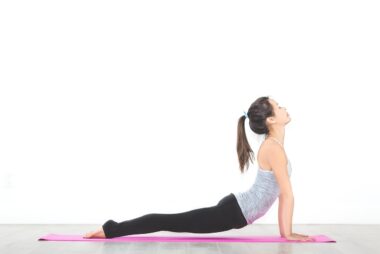
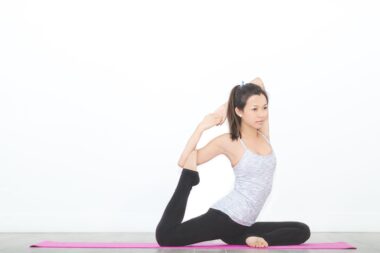
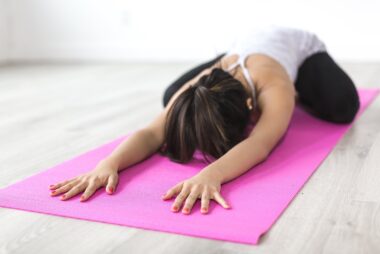
Functional fitness involves enhancing the body’s ability to perform everyday activities effectively, and flexibility exercises play a pivotal role in achieving this goal. Flexibility contributes to a broader range of motion, reducing the risk of injuries during physical activities. Incorporating flexibility exercises not only serves to improve your overall performance but also enhances posture, balance, and coordination. Moreover, flexible muscles can absorb shock better, which aids in improving the quality of movements during workouts and daily tasks. Stretching exercises, in particular, are beneficial for lengthening tight muscles and encouraging proper alignment of the body’s structure. Examples of these exercises include static stretches, dynamic stretches, and active stretches. By regularly engaging in flexibility workouts, individuals can promote muscle health while optimizing movement patterns for a more active lifestyle. It is recommended to engage in a flexibility routine at least two to three times a week. Furthermore, it is essential to focus on major muscle groups, such as the hamstrings, quadriceps, and shoulders, to ensure comprehensive flexibility throughout the body. This holistic approach ultimately enhances functional fitness, allowing for improved performance and longevity in physical activities.
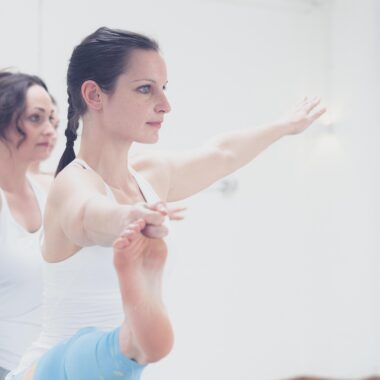
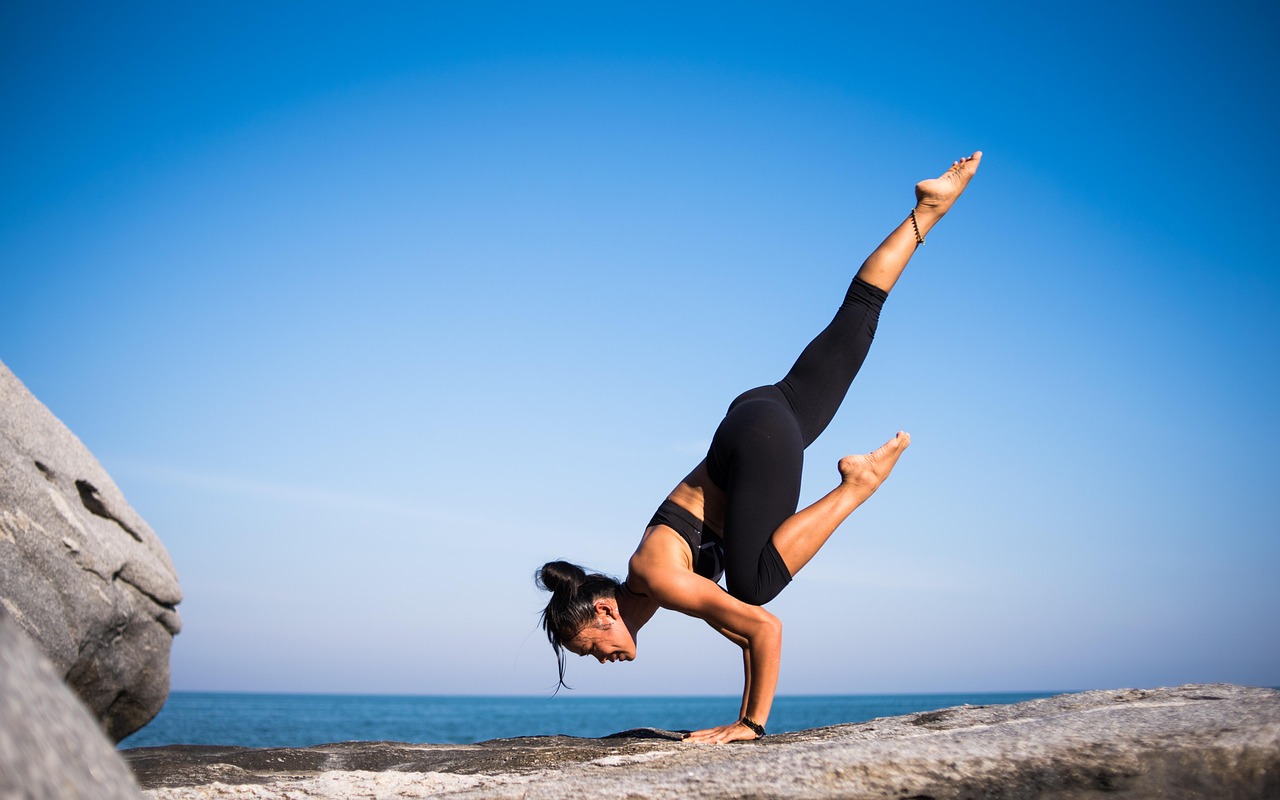
Balance is equally crucial within the framework of functional fitness, as it directly impacts one’s ability to stabilize during movements. Good balance prevents falls, which are among the most common injuries, especially in older adults. Many factors contribute to balance, including strength, coordination, and sensory information. It is essential to train these aspects consistently. Activities such as yoga and tai chi have gained popularity for their balance-enhancing workouts while encouraging mindfulness. Additionally, balance exercises can be easily integrated into daily routines, such as standing on one leg while brushing teeth or incorporating stability exercises into gym sessions. Beyond injury prevention, improved balance can significantly enhance athletic performance, allow for better agility, and facilitate coordination during sports. Furthermore, training for balance also strengthens core muscles, providing another layer of support for stability. Taking part in organized fitness classes or following online routines focused on balance can elevate one’s fitness journey. This integration of balance training into a flexible exercise routine creates a robust and versatile fitness program that encourages longer-term adherence and enjoyment.
The Role of Stretching in Flexibility
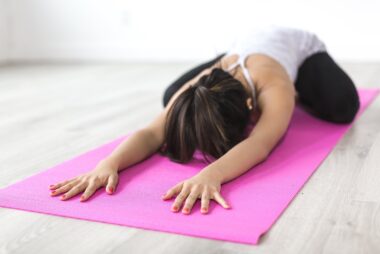
Stretching is a fundamental component of any flexibility exercise routine, and it serves various purposes that benefit physical performance. The dynamic stretches act as a warm-up, preparing your muscles for more intense workouts by increasing blood flow and flexibility. On the other hand, static stretches work effectively during cooldowns, elongating muscles to relieve tension and discomfort. Both forms of stretching can reduce soreness and increase mobility in joints, which is essential for overall flexibility. Engaging in regular stretching routines offers a myriad of advantages, such as improving circulation, enhancing recovery, and promoting relaxation. Focus on stretching the major muscle groups, including the hips, back, legs, and shoulders, ensuring balanced flexibility development. To maximize stretching benefits, hold each static stretch for at least 15 to 30 seconds and repeat two to three times. Aside from physical benefits, stretching has also been associated with mental health improvements. Practicing mindfulness during these moments encourages a deeper mind-body connection, contributing positively to stress management and emotional well-being. Therefore, incorporating regular stretching sessions into your fitness routine enhances both body and mind, paving the way for improved flexibility and functionality.
Benefits of Incorporating Balance Exercises
Incorporating balance exercises into your workout routine provides numerous benefits that contribute significantly to functional fitness. Balance training increases stability and coordination, which are crucial for performing everyday tasks safely. These exercises strengthen the muscles that support the core and lower body, allowing for more controlled body movements. Some simple yet effective balance exercises include single-leg stands, heel-to-toe walks, and using balance boards. These exercises engage various muscle groups and improve proprioception, which is the body’s ability to sense its position in space. Improved proprioception reduces the likelihood of falls and injuries, particularly in older adults. Balance exercise routines can also enhance athletic performance, enabling better agility and quick reflexes in sports. Engaging in activities that challenge balance, such as dance or martial arts, can make workouts more enjoyable while building confidence in your physical capabilities. Regularly incorporating balance exercises leads to better control of body movements, which is essential during activities like climbing stairs or even walking. Ultimately, maximizing your balance capabilities allows for a more functional and active lifestyle, reinforcing the importance of multi-faceted fitness training.
One key factor to consider in both flexibility and balance training is the need for consistency and progression. Dedicating time to practice and gradually increasing the intensity or complexity of exercises is vital for maximizing efficiency and results. Set specific goals for progress, like improving flexibility for a particular movement or enhancing balance with more challenging variations. Track your progress by keeping a fitness log or collaborating with workout partners to motivate each other and share achievements. Listening to your body is crucial; if experiencing discomfort or pain, it may be necessary to adjust your routine accordingly. Therefore, a well-designed flexibility and balance training program must incorporate rest days and alternate routines to avoid over-exertion and ensure effective recovery. Additionally, comprehensive routines should integrate both static and dynamic flexibility along with various balance challenges. Consider joining group classes or online courses to explore new exercises while staying accountable. By emphasizing consistency and goal-setting, individuals can witness incredible improvements in functional fitness, translating to enhanced performance in sports and day-to-day activities, ultimately leading to a healthier and more vibrant life.
Tailoring Flexibility and Balance Exercises to Individual Needs
When developing a flexible and balance-focused fitness program, it is essential to consider individual preferences and capabilities. Each person has unique needs, abilities, and limitations based on factors like age, fitness level, and any pre-existing conditions. Thus, personalizing workouts ensures their effectiveness and safety. Start by assessing your current flexibility and balance levels, identifying specific areas for improvement. Consulting with a certified fitness trainer or physical therapist can help create a tailored plan that meets those needs. Importantly, modify exercises based on skill levels, starting with foundational movements and gradually incorporating more challenging variations as confidence and ability grow. Incorporating a variety of flexibility and balance exercises can also keep routines engaging and enjoyable. Techniques such as Pilates, yoga, and resistance training are valuable here. Additionally, practicing mindfulness during these workouts allows individuals to connect with their bodies on a deeper level. If comfortable, include techniques like mental imagery or breathwork, enhancing both physical performance and overall mental wellness. Ultimately, tailored programs ensure that flexibility and balance exercises are not only effective but also enjoyable, empowering individuals on their fitness journeys.
To maintain a long-lasting commitment to flexibility and balance training, individuals must also prioritize motivation and enjoyment. Engaging in different activities can bolster enthusiasm, keeping workouts fresh and exciting. Consider teaming up with a friend or joining community fitness classes to foster motivation and accountability. Establish goals, both short-term and long-term, to give structure to your fitness journey. Celebrate those achievements, no matter how small, to maintain a positive mindset and increase adherence to your program. Incorporate variety by alternating between various classes, programs, and locations, which prevents stagnation and allows for novel experiences. Tracking progress through journals or apps can also serve as a powerful motivator. Furthermore, intertwining social interactions with workouts can increase enjoyment and contribute to mental well-being by making the fitness journey a shared experience. Lastly, remind yourself of the incredible benefits that flexibility and balance exercises bring to overall functional fitness, emphasizing improved health and enhanced athletic performance in daily activities. By fostering enjoyment, motivation, and creativity, individuals are more likely to integrate flexibility and balance training into their lifestyle consistently.
In conclusion, flexibility and balance are integral components of functional fitness that can enhance overall performance, mobility, and health. Regularly engaging in flexibility exercises contributes to improved muscle health, reduced injury risk, and better posture. On the other hand, balance training prevents falls, elevates coordination, and enhances agility in sports performances. Both of these aspects must be trained concurrently to develop a well-rounded fitness program thoroughly. Building flexibility allows individuals to perform movements effortlessly while also fortifying their balance skills to tackle various activities with ease. Therefore, individuals should commit to integrating flexibility and balance exercises into their training regimens while tailoring their workouts to meet personal needs. Whether through group fitness classes, online tutorials, or self-designed routines, prioritizing these areas sets a strong foundation for optimal functional fitness. Ultimately, individuals will experience the myriad physical and mental benefits that come with a flexible and balanced body. By fostering commitment, creativity, and enjoyment in training for flexibility and balance, the journey toward a healthier lifestyle becomes all the more rewarding and fulfilling. Embrace the challenge, invest time, and reap the rewards that functional fitness provides through flexibility and balance exercises.