
Exploring Nordic Walking Techniques for Winter Fitness
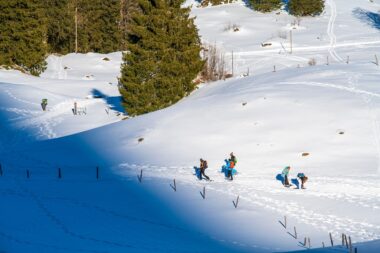
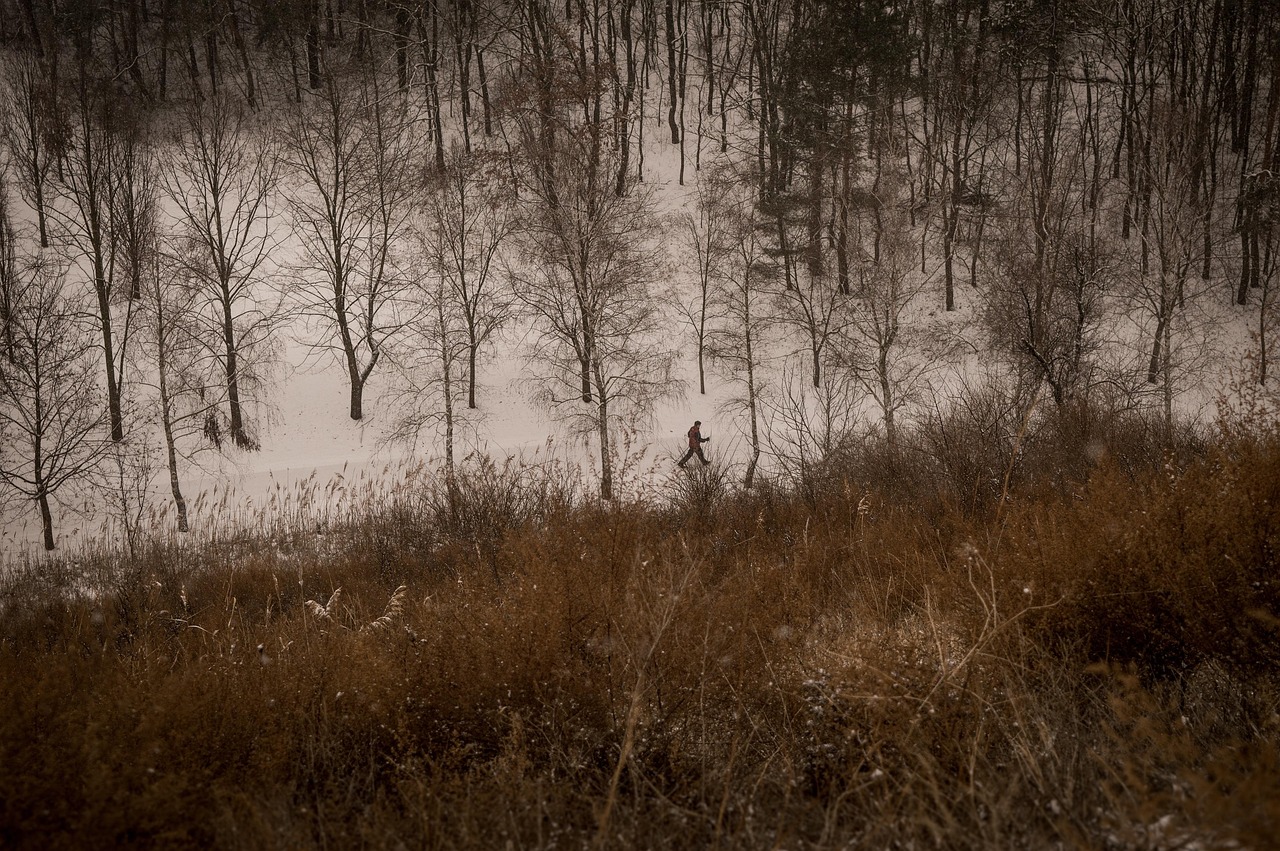
Nordic walking represents a unique exercise format that combines walking with specially designed poles. This technique is particularly beneficial during winter months, allowing enthusiasts to maintain their fitness levels. Unlike traditional walking, the use of poles engages the upper body, improving overall muscle tone. As you venture into winter workouts, the addition of poles provides stability on snowy terrain. Ensuring proper form is critical; the poles should be planted behind your feet, mimicking a skiing technique. Start with a gentle pace to warm up, allowing your body to adapt to the cold. Pay attention to your posture, keeping your back straight, shoulders relaxed, and core engaged. This approach enhances balance while reducing strain on your joints, which is crucial in slippery conditions. Consider wearing insulated gloves for added warmth and grip. As you progress, challenge yourself with different terrains and inclines to improve your cardiovascular fitness. Set small goals to gauge progress, whether it’s distance covered or time spent walking. This method not only keeps you fit but also enables you to embrace nature during the beautiful winter season, enhancing mental well-being and enjoyment.
Winter workouts can often feel limited, but outdoor exercises like Nordic walking open new avenues for fitness enthusiasts. As temperatures drop, layering your clothing becomes essential. Start with a moisture-wicking base layer to keep sweat away from your body. This layer should fit snugly to facilitate warmth while allowing freedom of movement. Next, consider an insulating layer, such as fleece, that retains heat while allowing breathability. Finally, finish with a wind-resistant outer layer to protect against harsh weather conditions. When it comes to footwear, opt for waterproof boots with good traction to prevent slipping on ice and snow. Proper pole technique plays a vital role in maximizing your winter walking workout. Ensure your poles are adjusted to the appropriate height; your elbows should be at a 90-degree angle when holding them. When walking, engage your core and push off strongly with the poles for better propulsion. This engagement not only boosts calorie burn but also helps with stability. Paying attention to your environment is key; adjust your movements according to the terrain to maintain safety, particularly on uneven surfaces that may conceal hidden obstacles.
Health Benefits of Nordic Walking
The health benefits of Nordic walking are well-documented, making it an ideal winter workout choice. This full-body exercise technique effectively engages around 90% of your muscles. Consequently, it significantly increases calorie expenditure compared to regular walking. By incorporating the upper body, you can improve muscle tone and definition in your arms, shoulders, and back. Nordic walking is also low-impact, meaning it reduces stress on your joints while providing a robust cardiovascular workout. This approach is particularly advantageous during colder months. Enhanced oxygen uptake improves endurance and stamina, equipping you for more strenuous activities. Furthermore, studies illustrate that engaging in outdoor exercises during winter helps combat seasonal affective disorder (SAD). The release of endorphins during physical activities boosts mood and enhances mental well-being. To maximize these benefits, consider #{daylight exposure}, which is more pronounced during outdoor exercises. Pair your Nordic walking sessions with proper nutrition for countless advantages. Hydration remains vital; cold weather may mask dehydration signals, so drink periodically before and after workouts. Overall, the combination of physical activity and fresh air presents an uplifting experience that reinforces both physical and mental health during winter.
As you delve deeper into Nordic walking techniques, it’s essential to understand specific strategies that enhance performance. Warm-up sessions are crucial; a brisk walk without poles for about ten minutes helps loosen your muscles. After your walk, stretching will promote flexibility and prevent soreness. Focus on major muscle groups, especially in the legs and arms. When you start walking, concentrate on consistent, rhythmic pole usage; the poles should complement your stride, not hinder it. Incorporating intervals can significantly improve fitness levels; alternate between high-intensity movement and slow recovery phases. This method also adds variety, making your workouts more engaging. Consider joining a local Nordic walking group; this fosters motivation and camaraderie among fellow enthusiasts. Many communities offer organized walks, providing both social interaction and support. The chance to share experiences and techniques can enhance your skills. Additionally, group settings often lead to more structured workouts that you might not achieve solo. Document your progress using a fitness tracker or app; observing your improvements can inspire further dedication. Together, these strategies can empower you to achieve your winter fitness goals through Nordic walking.
Safety Precautions for Winter Walking
Safety is of utmost importance during winter workouts, especially in snowy or icy conditions while Nordic walking. Prior to heading outdoors, check local weather forecasts for storm warnings or rapidly dropping temperatures. It’s advisable to choose well-lit paths that are free from obstructions; avoid areas with heavy traffic or insufficient visibility. Equip yourself with necessary gear, including reflective clothing and a light source for evening walks. Ensure that your poles have rubber tips for traction on slippery surfaces. This can prevent them from slipping and causing falls. Staying aware of your surroundings helps maintain focus on your footing. Use caution especially when traversing inclines or declines; take smaller, measured steps to ensure stability. In cases of severe weather, consider warming up indoors or opting for alternative exercises that can be completed at home. If you’re walking alone, inform someone of your route and expected return time. Finally, listen to your body; if you begin to feel fatigued or cold, it’s essential to heed those signals and take breaks. A mindful approach will keep you safe during your Nordic walking adventures in winter.
To make the most of your Nordic walking routines in winter, consider incorporating technology to enhance your experience. Various apps can help track your distance, pace, and calorie burn during each session. Geolocation features allow you to discover new walking trails in your vicinity, ensuring diversity in your workouts. Additionally, many smart wearable devices can monitor heart rate and overall physical activity, providing insights into your fitness levels. Most importantly, remember to enjoy the beautiful winter scenery surrounding you. Bundle up and explore local parks, forests, or trails known for their winter landscapes. Engaging with nature not only elevates physical fitness but also nurtures mental health. This connection to the outdoors can inspire creativity and relaxation, especially amidst snowy surroundings. Be sure to share your experiences on social media; many Nordic walkers find community connections online. Posting photos and tips can inspire others while creating an enjoyable platform for discussion. Such interactions often lead to finding workout partners, thus enhancing commitment. Ultimately, harnessing winter outdoor workouts such as Nordic walking can introduce fun and beneficial elements to your fitness routine during colder months.
Conclusion: Embracing Nordic Walking
In conclusion, Nordic walking presents an enjoyable and versatile winter fitness option, merging aerobic engagement with strength conditioning. This low-impact yet high-intensity workout promotes cardiovascular health while building muscular endurance. Individuals can enjoy the outdoors even in cooler climates, transforming a common workout into a dynamic adventure. The activity provides ample opportunities to cultivate social connections through group walks and shared experiences with friends or family. Safety practices are paramount; understanding proper technique, layering clothing, and being aware of the environment can prevent common winter workout injuries. Ultimately, the advantages of Nordic walking encompass more than just physical benefits. Enhanced mood levels from outdoor exercise combined with the reduction of winter blues significantly enrich users’ lives. By incorporating this approach into your winter fitness regime, you open yourself to a myriad of benefits that extend beyond physical ability. Move forward with confidence, armed with the knowledge and motivation to embrace the beauty of winter through Nordic walking. Stay dedicated to your fitness journey while infinitely valuing the splendid nature that surrounds you during this time. Begin your Nordic walking adventures and relish each snowy step.
Preparing your outdoor workout space is essential for optimal winter Nordic walking sessions. A dedicated routine with suitable gear and mindfulness about your surroundings brings safety and enjoyment. Understanding the activity intricately can aid in achieving specific fitness goals effortlessly. Seek social opportunities to enhance motivation, allowing you to experience camaraderie while persisting throughout the cold months.